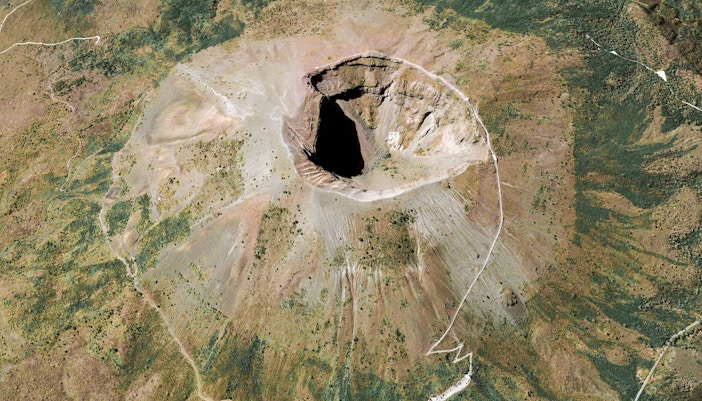
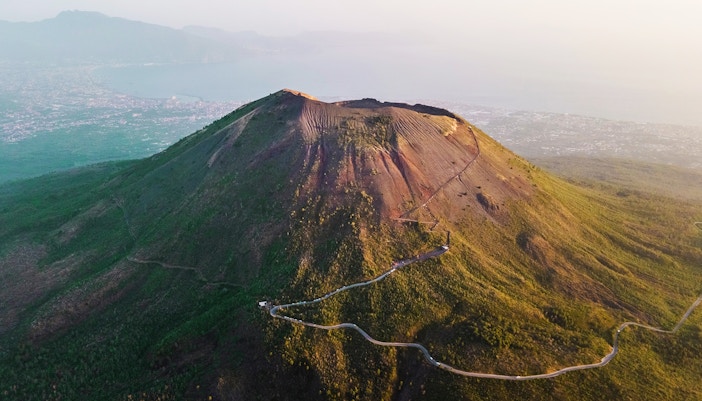
The most famous eruption of Mount Vesuvius happened in 79 AD and is infamous for burying the Roman cities of Pompeii and Herculaneum. It kicked off with a massive cloud of ash and gas shooting high into the sky, followed by a fast-moving surge of hot debris that covered the area within hours. This catastrophic event not only resulted in a tragic loss of life but also preserved Pompeii in incredible detail, giving us a unique glimpse into Roman life and society from that era.
Mount Vesuvius history | Exploring the cataclysmic eruptions of Mount Vesuvius
How was Mount Vesuvius formed?
Beneath its dramatic eruptions, Mount Vesuvius has a fascinating origin story shaped by Earth's intense geological processes. It is part of the Campanian volcanic arc, which is a line of volcanoes that extends along the western coast of Italy. The volcanic arc is a result of the subduction of the African tectonic plate beneath the Eurasian tectonic plate. The African plate is slowly moving northwards and is being forced beneath the Eurasian plate, causing intense pressure and melting of rocks in the Earth's mantle.
Mount Vesuvius eruption timeline
- 79 AD: One of the most famous eruptions occurs, burying the Roman cities of Pompeii and Herculaneum under ash and lava.
- 1631: A devastating eruption claims thousands of lives in the surrounding areas.
- 1779: Another eruption causes significant damage to the nearby town of Torre del Greco.
- 1906: An eruption leads to the creation of a new cone within the volcano's crater.
- 1944: Vesuvius erupts during World War II, causing damage to local towns and military installations.
- 1995-1996: A series of eruptions prompts evacuations and disruptions in the region.
- 2013: Minor ash emissions remind the world of Vesuvius' ongoing activity.
When did Mount Vesuvius erupt?
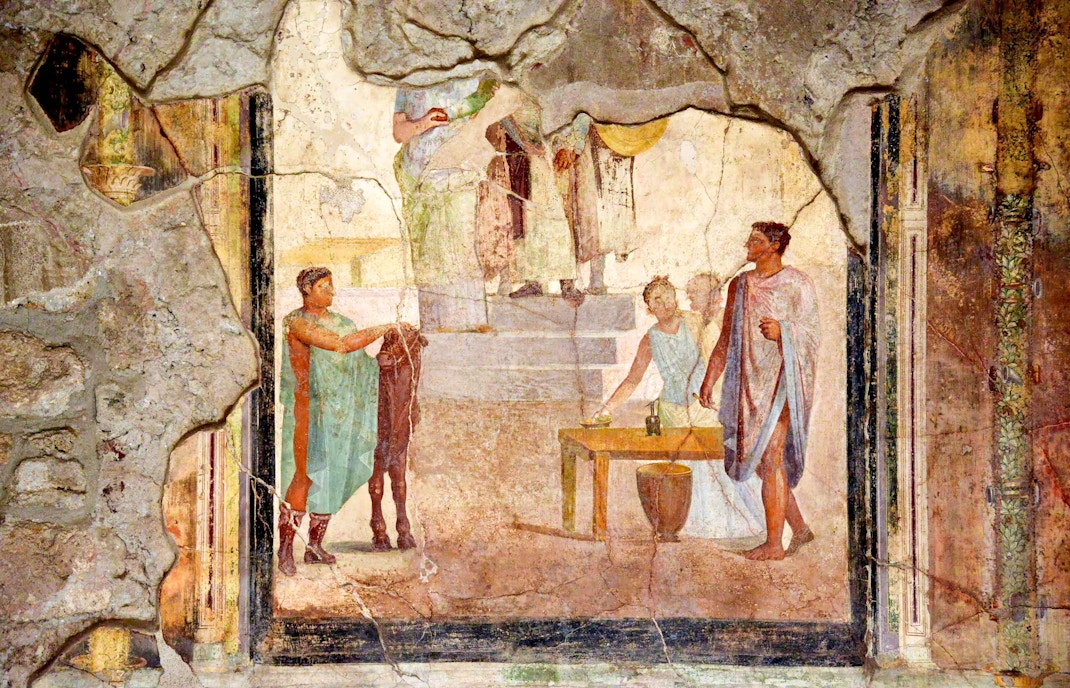
The eruption of 79 AD
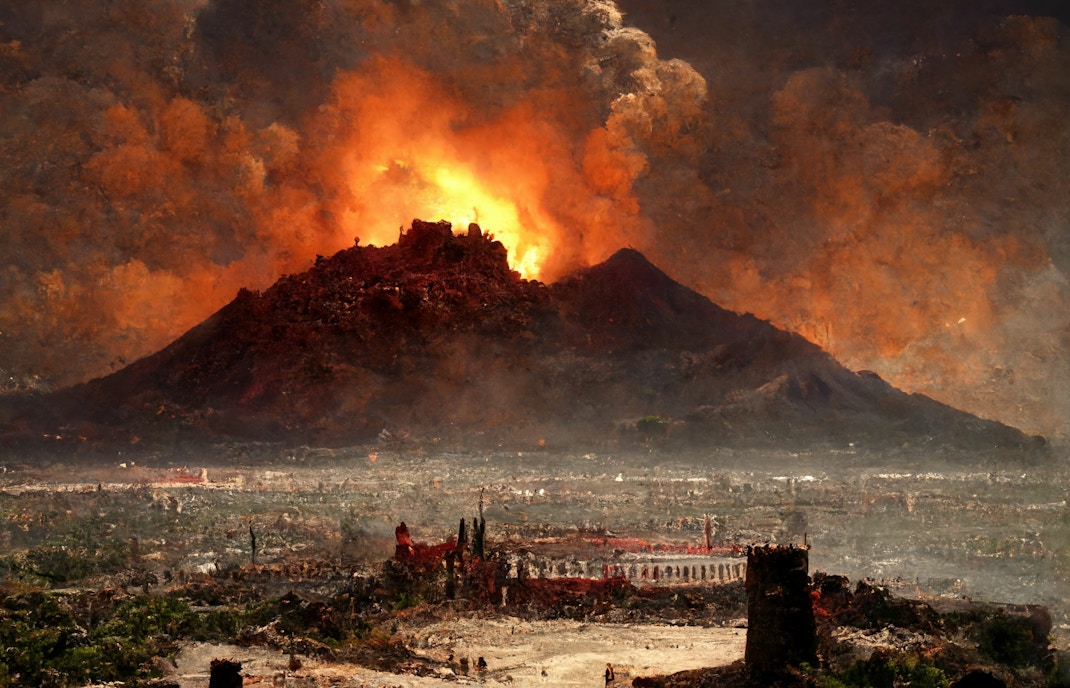
The 1631 eruption
The 1631 eruption of Mount Vesuvius was one of its deadliest, causing around 4,000 deaths. It began with a huge cloud of ash and smoke shooting into the sky, followed by fast-moving pyroclastic flows that devastated nearby towns and villages. This catastrophic event deeply affected the local communities and was thoroughly documented by those who witnessed it.
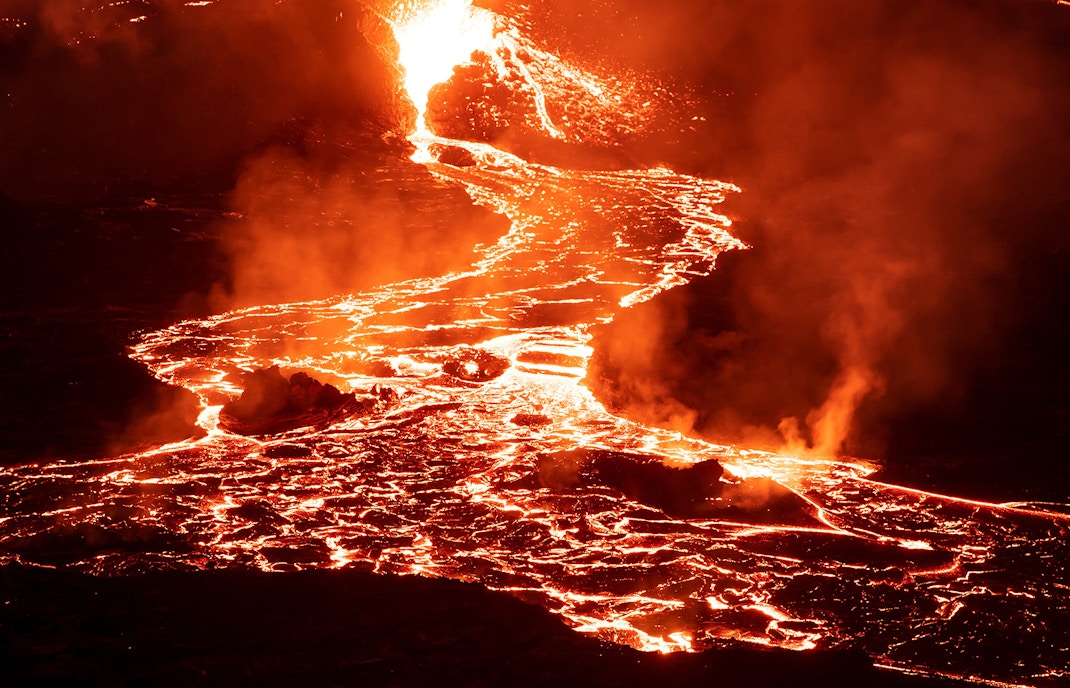
The 1906 eruption
In 1906, Mount Vesuvius once again roared to life, producing a violent eruption that led to the destruction of several villages and towns in the vicinity. This eruption was notable for its dramatic lava flows and the extensive damage it caused to infrastructure and agriculture. It prompted international aid efforts and discussions about better disaster preparedness.
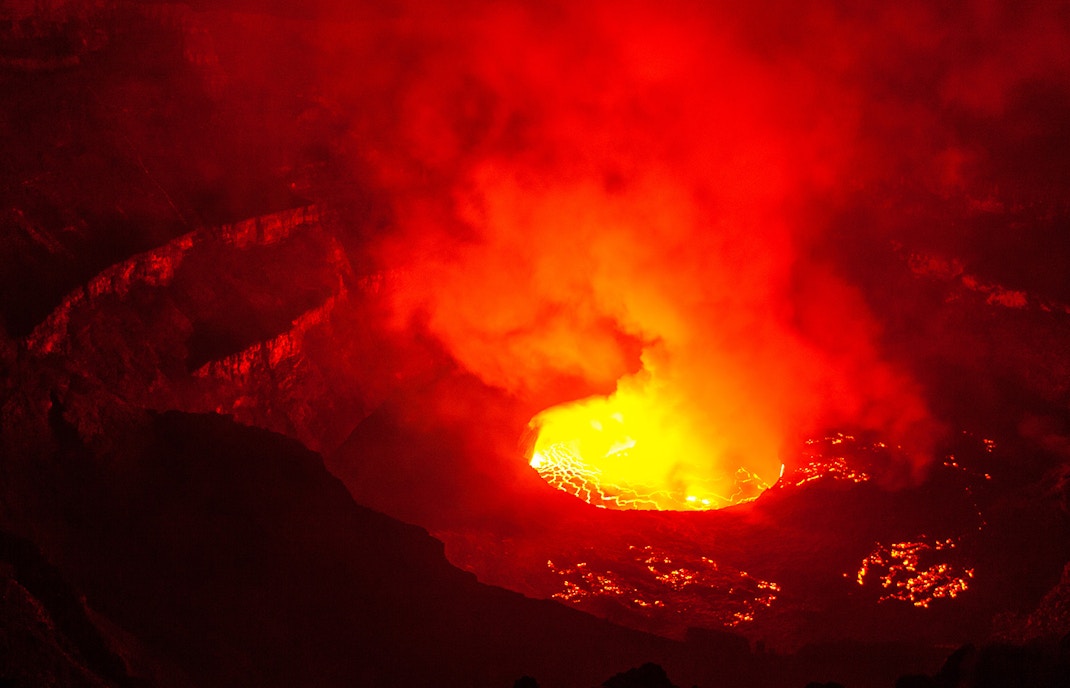
The 1944 eruption
During the final years of World War II, Vesuvius erupted once more in 1944. This eruption had a significant impact on the ongoing war efforts, as it disrupted transportation and communication networks in the region. The eruption created a spectacle of fire and ash that contrasted with the broader global conflicts of the time.
The legacy of the Plinys
The writings of the Plinys are crucial historical sources for understanding the nature of the Vesuvius eruption and its effects on the people and towns of the region.
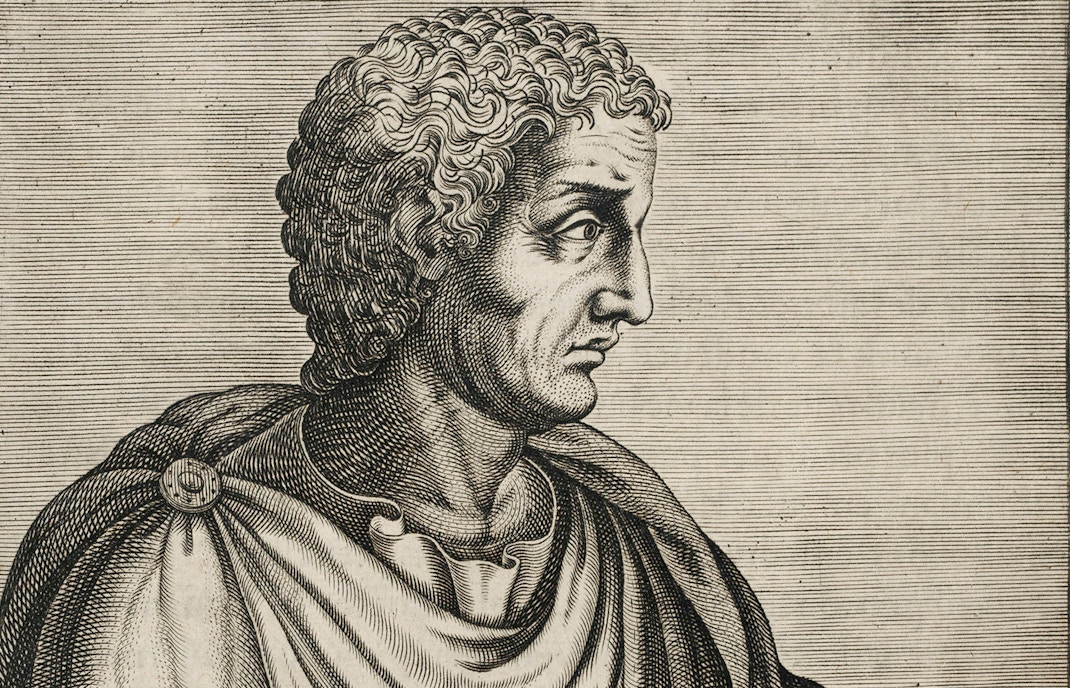
Pliny the Elder
Pliny the Elder (Gaius Plinius Secundus): Born in 23 AD, the Elder was a Roman author, naturalist, and naval commander. Pliny the Elder was stationed on the coast of the Bay of Naples during the eruption of Mount Vesuvius. He took an interest in the volcanic event and attempted to observe and document it, ultimately dying from the effects of the eruption while trying to rescue people and collect scientific data.
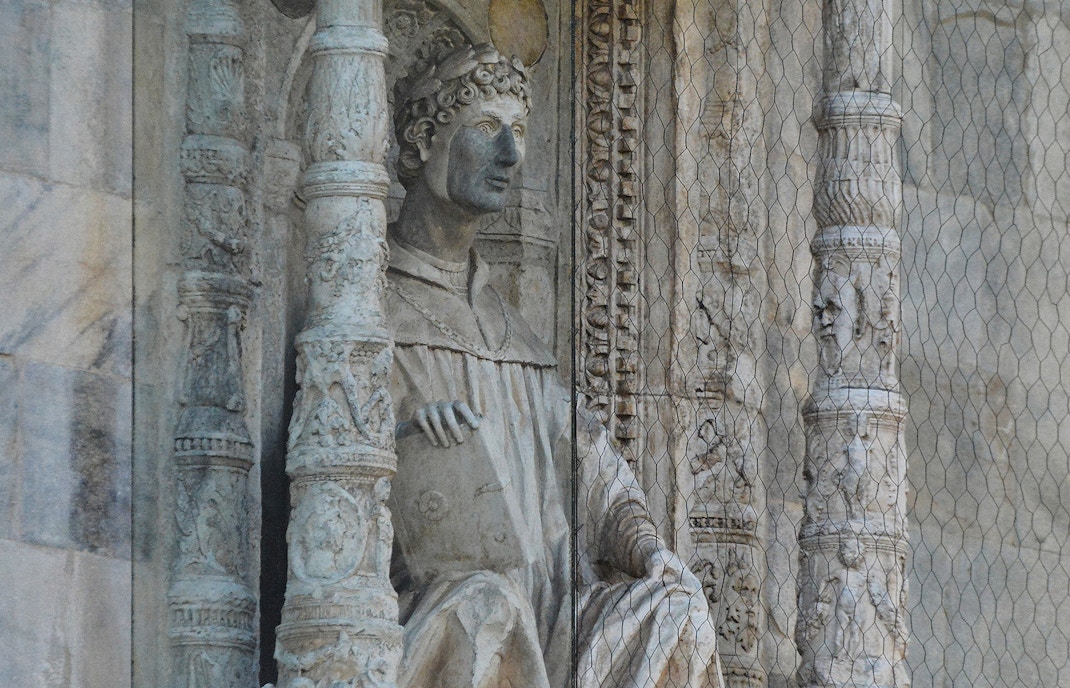
Pliny the Younger
Pliny the Younger (Gaius Plinius Caecilius Secundus) continued the family's literary tradition through his extensive collection of letters. These letters, characterized by their vivid accounts and intimate observations, provide an invaluable glimpse into the everyday lives and sociopolitical landscape of ancient Rome. Among his most renowned letters is the firsthand narrative of the eruption of Mount Vesuvius in 79 AD, which hauntingly captures the terror and devastation that befell Pompeii and Herculaneum. Through his words, Pliny the Younger immortalized the tragedy, becoming a primary source for historians studying the era.
Cultural significance of Mount Vesuvius eruption
- Literary and artistic inspiration: The eruption of Vesuvius in 79 AD has inspired countless literary works, poems, novels, and plays over the centuries, exploring themes of catastrophe, mortality, and the unpredictability of nature.
- Religious and mythological associations: In ancient Roman times, Vesuvius was associated with the deity Vulcan (Hephaestus in Greek mythology), the god of fire and craftsmanship. The volcano's eruptions were often interpreted as manifestations of divine wrath or intervention.
- Local cuisine and viticulture: The region is famous for its wines, such as Lacryma Christi (Tears of Christ), which are believed to have a unique flavor due to the volcanic terrain.
- Folklore and local traditions: Local communities around Vesuvius often have rich folklore and traditions related to the volcano. Legends and stories have been passed down through generations, contributing to the cultural identity of the region.
What was the effect on Pompeii & Herculaneum?
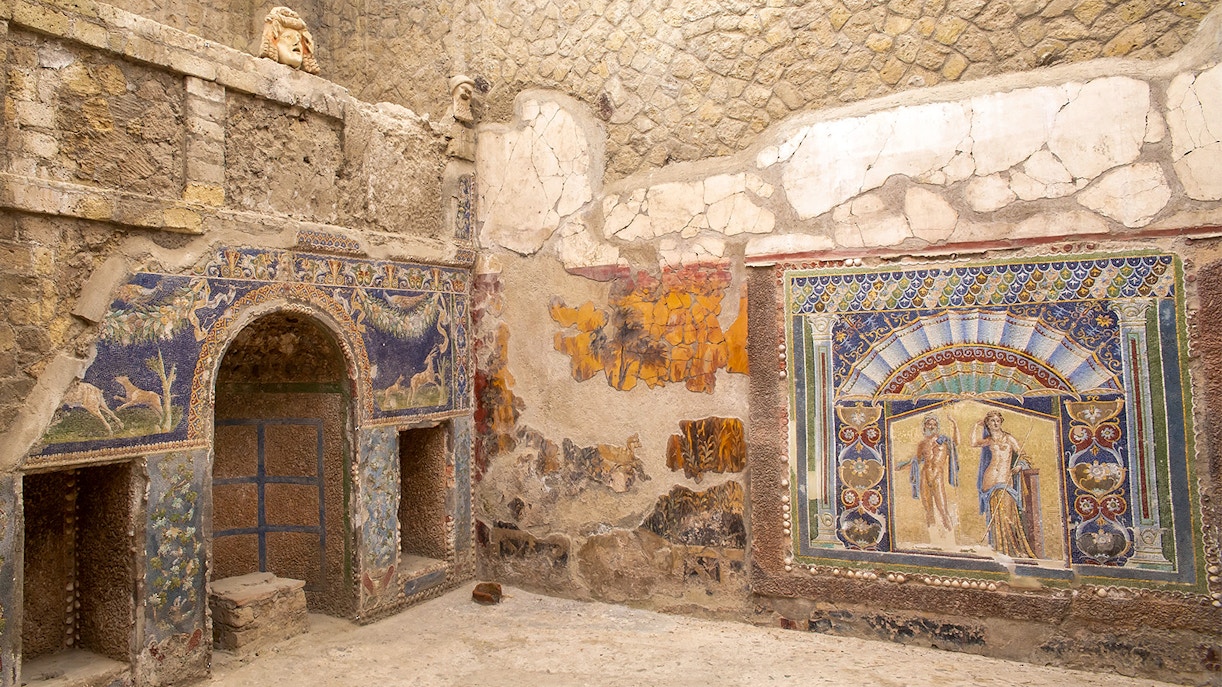
Pompeii and Herculaneum were two ancient Roman cities located near the Bay of Naples in Italy. They were both destroyed and buried under ash and pumice during the eruption of Mount Vesuvius in 79 AD.
The cities were rediscovered in the 18th century, and since then, archaeologists have been able to uncover much of their ancient history. The preservation of Pompeii and Herculaneum has provided valuable insights into the daily lives of ancient Romans, including their architecture, art, religion, and even their diet.
Can Mount Vesuvius erupt again?
Given Vesuvius' active status, its geological characteristics, and its historical record of eruptions, geological research suggests that the volcano is overdue for a new eruption. This assertion is based on an assessment of the volcano's geological activity patterns and the elapsed time since its last significant eruption.
Is visiting Mount Vesuvius safe?
Visiting Mount Vesuvius is generally considered safe, as the Italian government closely monitors the volcano's activity and regularly provides updates and warnings. In modern times, advancements in geological monitoring and prediction methodologies enable scientists to closely monitor Vesuvius for any signs of increased activity. These include seismic measurements, ground deformation analysis, and gas emission monitoring. By scrutinizing these indicators, experts can gain insights into the dynamics of the volcano's internal processes, offering a valuable opportunity to assess potential risks and to provide timely warnings to the local population.
Frequently asked questions about Mount Vesuvius history
Mount Vesuvius began forming around 25,000 years ago. Its current cone structure and caldera were shaped through a series of eruptions and volcanic activity over this extended period. The caldera, known as the Gran Cono, started to form during an eruption approximately 17,000 to 18,000 years ago.
Mount Vesuvius has erupted many times throughout history, with over 50 recorded eruptions since 79 AD. Some of the most notable eruptions occurred in 79 AD, 1631, 1906, and 1944.
Mount Vesuvius is estimated to be around 25,000 years old.
The eruption of Mount Vesuvius in 79 AD was caused by the buildup of pressure in the magma chamber beneath the volcano. When the pressure became too great, the magma was released in a massive explosion that sent ash, pumice, and gases high into the atmosphere.
Mount Vesuvius is currently classified as an active volcano and is closely monitored by Italian authorities. While there have been no major eruptions in recent years, the volcano is still considered to be potentially dangerous and visitors are advised to follow all safety guidelines and warnings.
Mount Vesuvius was a significant site in ancient Roman culture, with a number of temples and shrines dedicated to the god of fire, Vulcan. The mountain was also a popular destination for wealthy Romans, who built villas and bathhouses on its slopes.
The eruption of 79 AD drastically reshaped the landscape. The explosive eruption ejected a huge amount of ash, pumice, and volcanic debris, burying Pompeii, Herculaneum, and other nearby towns under several meters of material. The pyroclastic surges and lava flows destroyed the surrounding area, altering the geography of the region significantly.
Historical records do not document significant eruptions of Vesuvius before 79 AD. However, there were minor eruptions and seismic activities that suggested the volcano was active, but nothing on the scale of the 79 AD event. Some ancient texts mention earlier eruptions, but details are sparse.
Before the eruption of 79 AD, Vesuvius was not considered particularly dangerous. It was known as a relatively benign, dormant volcano. The eruption that year was unexpected and catastrophic, catching many by surprise.