‌‌‌‌
‌

Top 10 interesting facts about Mount Vesuvius

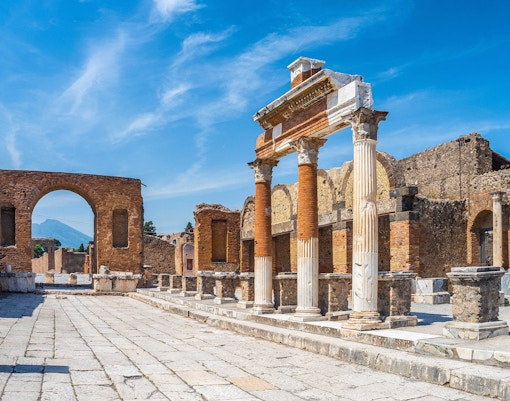
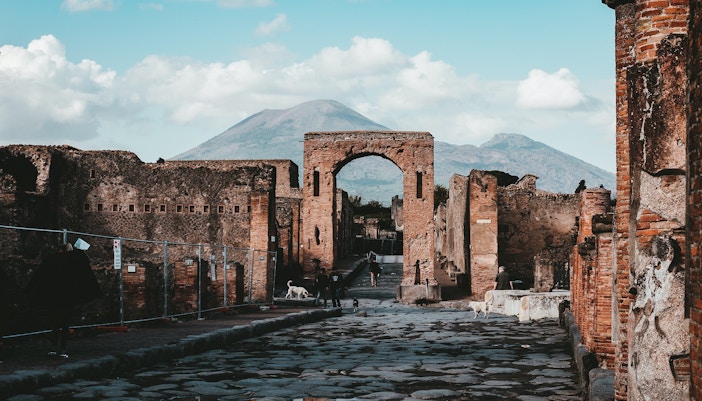
The fiery world of Mount Vesuvius, one of the most intriguing volcanoes on the planet, has many secrets! There's much more to the mountain than the tragic eruption in 79 AD that buried Pompeii and Herculaneum in volcanic ash, including its formation from two independent volcanoes and its centuries-old history. Dive into some of the most fascinating and lesser-known facts about this legendary volcano.

10 fascinating facts on Mount Vesuvius
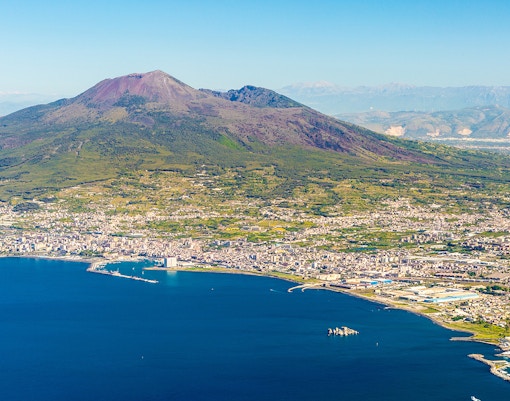
1. The people of Pompeii had no idea they lived near a volcano
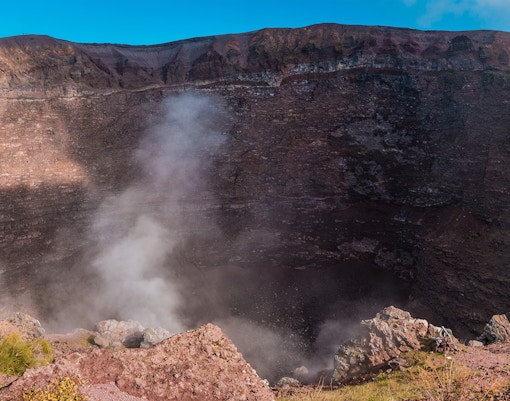
We know how Vesuvius erupted and destroyed the cities of Pompeii and Herculaneum. If the people had known about the volcano, they might have chosen to leave rather than stay. Unfortunately, they had no idea they lived near a volcano, and Vesuvius had been dormant for years.

2. Vesuvius was formed from two volcanoes
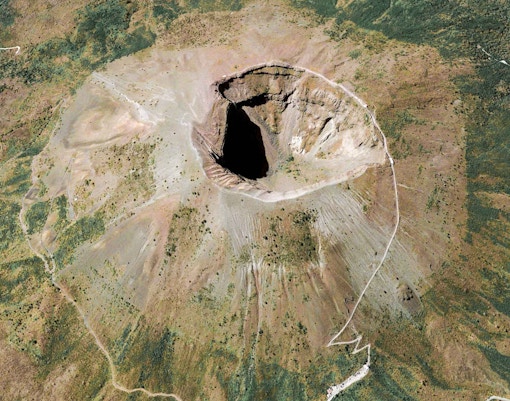
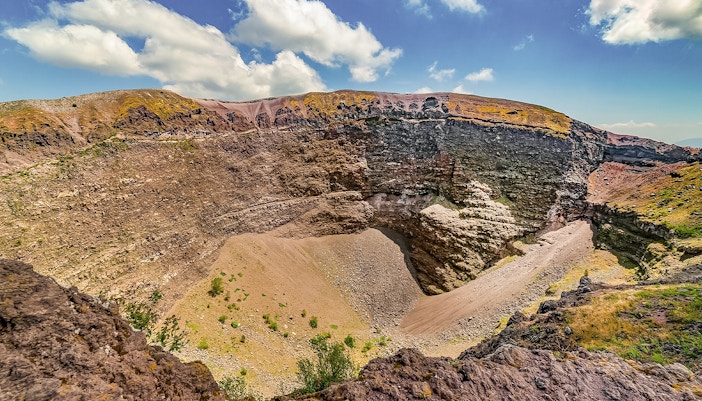
Originally, there was Monte Somma, an old volcano that had seen better days. Vesuvius sprang up on top of Monte Somma, growing out of its predecessor’s caldera. Who knew even volcanoes could compete for power?

3. Before 79 AD, Mount Vesuvius remained nameless

Vesuvius was suddenly on the map after burying Pompeii and Herculaneum, but before the major eruption, it did not even have a name. It was only after the catastrophic event in 79 AD that the mountain was named Vesuvius, in honor of Vulcan, the Roman god of fire and forge.

4. It’s almost 400,000 years old

Mount Vesuvius, with a history extending back thousands of years before human contact, has been the subject of extensive scientific research. By examining ancient rock debris on the volcano, scientists have confirmed that it is around 300,000 to 400,000 years old. That’s definitely older than the last Ice Age!

5. Vesuvius has had 8 major eruptions till now
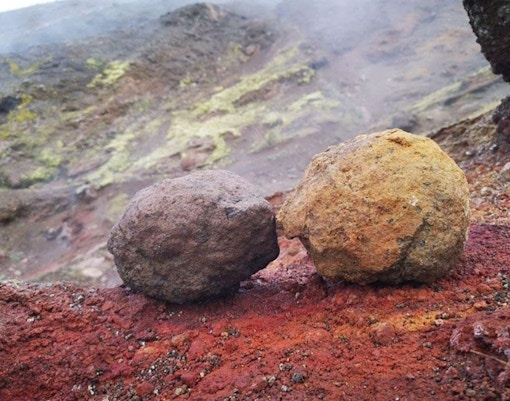
Over the past 17,000 years, Mount Vesuvius has experienced eight major eruptions, each contributing to its complex history. To add to that, Mount Vesuvius likely holds the record for the longest historical account of volcanic eruptions in the world.

6. Mount Vesuvius remained dormant for 1,800 years
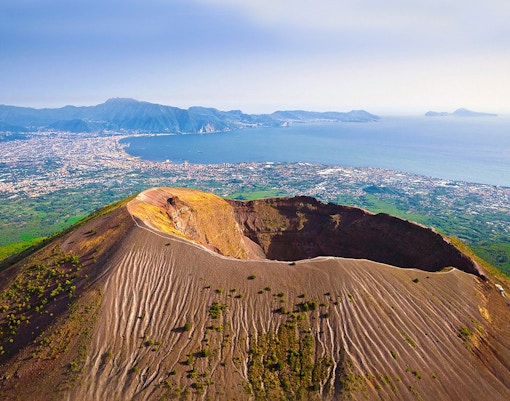
For nearly 1,800 years, Mount Vesuvius remained quiet and dormant, giving people little reason to worry. When it erupted, there was no time to react as lava flowed at speeds exceeding 80 mph. Since then, Vesuvius has erupted numerous times, including in 472, when ash reportedly reached as far as present-day Istanbul.

7. Tax exemption for the 512 AD eruption

The 512 Vesuvius eruption was so severe that King Theodoric granted tax exemptions to affected residents on its fertile slopes. Cassiodorus, his quaestor, documented the eruption in a letter requesting relief for those impacted.

8. Vesuvius is a stratovolcano

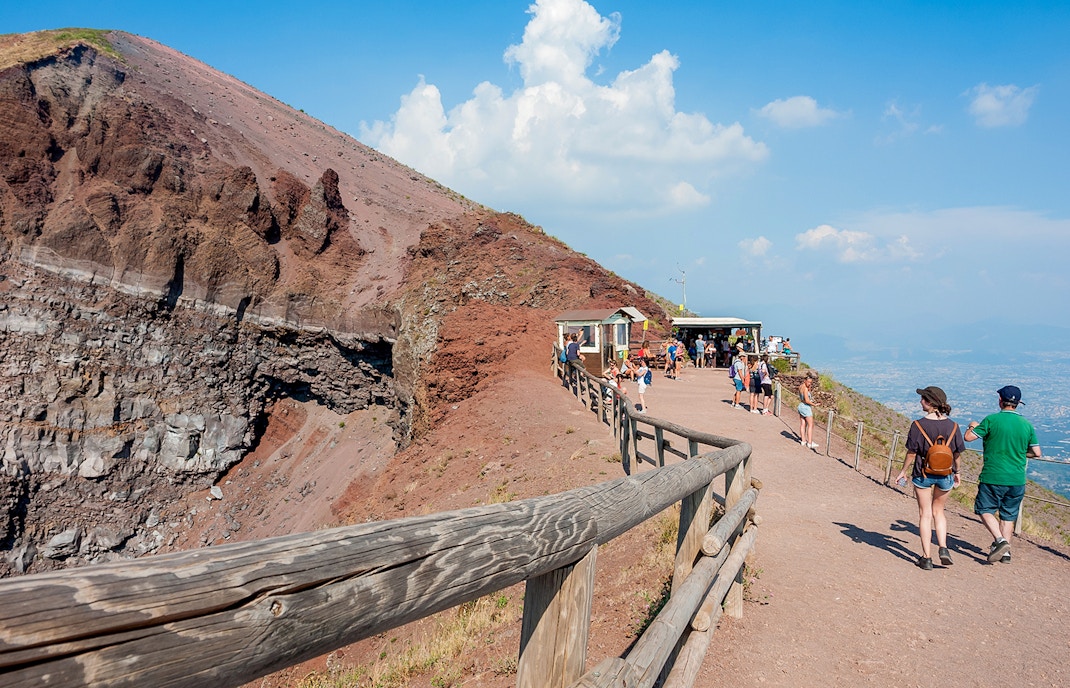
Now that sounds quite fancy, doesn’t it? A stratovolcano is a steep volcano built from layers of lava, ash, and rock. Its thick, sticky lava can cause powerful, explosive eruptions. Vesuvius is a stratovolcano, as is Japan’s Mount Fuji.

9. Pliny the Younger first talked about the Vesuvius eruption

The very first detailed account of a volcanic eruption comes from Pliny the Younger, who witnessed the 79 AD eruption from his home in the Bay of Naples. Pliny managed to escape, unlike his uncle, Pliny the Elder, who was killed by the eruption. Volcanologists now use the term ‘Plinian’ to describe big volcanic eruption clouds, named after Pliny the Younger.

10. Mount Vesuvius has fertile slopes

Did you know that volcanic soil is great for cultivation? Currently, fruits like pears, apples and mulberries as well as vegetables like friarielli and broccoli are grown on the slopes of Mount Vesuvius. Vineyards also have been established here.

Book your Mount Vesuvius tickets

Mount Vesuvius Entry Tickets

Book now, pay later
Explore at your pace
Audio guide
Transfers available

From Pompeii: Mount Vesuvius Entry Tickets with Round-Trip Transfers

Free cancellation
Book now, pay later
3 hrs
Audio guide
Transfers available

From Naples: Mount Vesuvius & Herculaneum or Pompeii Day Trip

Free cancellation
Book now, pay later
6 hrs - 8 hrs
Transfers available

From Naples: Mount Vesuvius Entry Tickets with Round-Trip Transfers
Book now, pay later
3 hrs
Audio guide