Tickets Naples

Plan your visit to Mount Vesuvius

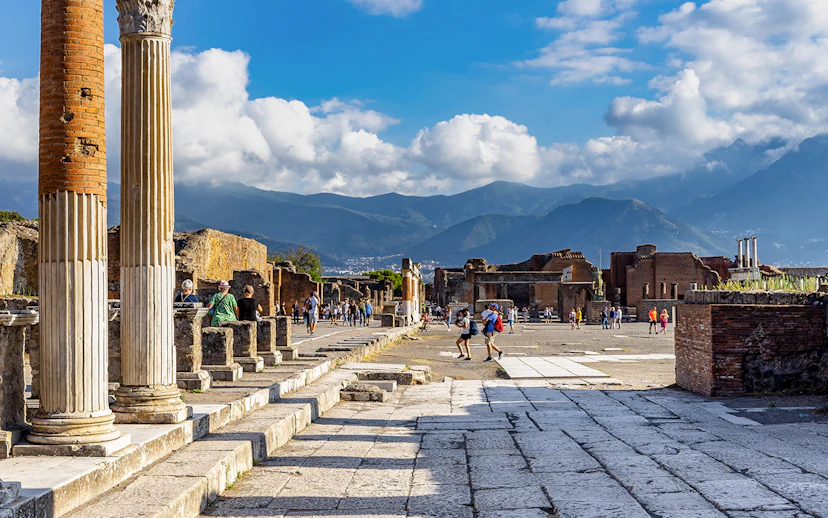
Mount Vesuvius is the timed-entry crater trail above Naples, best known for the volcano that buried Pompeii in 79 AD. The visit is shorter than many people expect, but it is steeper, looser underfoot, and more logistics-heavy than the photos suggest. The real difference between a smooth visit and a frustrating one is not the hike itself, but whether your ticket, transport, and phone downloads are sorted before you reach the upper access area. This guide covers timing, tickets, route choices, and the on-the-ground details that matter.

Quick overview: Mount Vesuvius at a glance

This is a short volcano visit with very little room for sloppy timing.

  • When to visit: Trail no. 5 runs on a seasonal schedule, with July-August officially operating 9am-6pm; weekday slots are noticeably calmer than weekends and holidays, when managed summer capacity and same-day Pompeii pairings put more pressure on the route.
  • Getting in: From about €11.68 for standard crater entry. Guided day trips cost much more and make the most sense when you also want Pompeii or Herculaneum handled in one booking; advance booking matters because timed slots do sell out.
  • How long to allow: 2-3 hours works for most visitors at the mountain itself. Transfers, photo stops, and combo itineraries push it closer to a half-day or full day.
  • Is a guide worth it? A live guide matters more on combo Pompeii trips than on the volcano alone, where a good offline audio guide usually covers the geology well enough for less.

🎟️ Tickets for Mount Vesuvius sell out ahead of summer dates and busy weekends. Lock in your visit before the time you want is gone. See ticket options

Jump to what you need

Where and when to go

Which Mount Vesuvius ticket is best for you

Ticket typeWhat's includedBest forPrice range

Mount Vesuvius Entry Tickets

Access to the Great Cone (Gran Cono trail) + digital downloadable audio guide or guidebook depending on option

A crater-rim visit where you already have transport sorted and want the lowest-friction way to book the timed entry itself

From €11.68

From Pompeii: Mount Vesuvius Entry Tickets with Round-Trip Transfers

Pick-up from Pompeii + round-trip AC minibus transfers + access to Vesuvius National Park + Gran Cono trail + audio guide or volcanological guide when available

A Pompeii-based visit where the real pain point is getting up the mountain and back without wasting half a day

From $42

From Naples: Mount Vesuvius Entry Tickets with Round-Trip Transfers

Round-trip AC minibus from Naples + Mount Vesuvius entry + access to the Gran Cono trail and Great Cone + audio guide on selected options

A half-day volcano trip from Naples where you want the crater visit without handling train and shuttle connections yourself

From $52

From Naples: Mount Vesuvius & Herculaneum or Pompeii Day Trip

Round-trip AC coach transfers + access to Mount Vesuvius + skip-the-line entry to Pompeii and/or Herculaneum depending on option

A one-booking day where you want the volcano and at least one Vesuvian ruins site, even if the pacing is tighter

From $105

From Rome: Pompeii Guided Tour and Mount Vesuvius Day Trip

Round-trip private AC coach transfers + Pompeii guided tour + Mount Vesuvius entry + lunch + geologist option on selected departures

A Rome-based day trip where you want transport, ruins, lunch, and the volcano handled in one fixed itinerary

From $105

How do you get around Mount Vesuvius?

What is Mount Vesuvius worth visiting for?

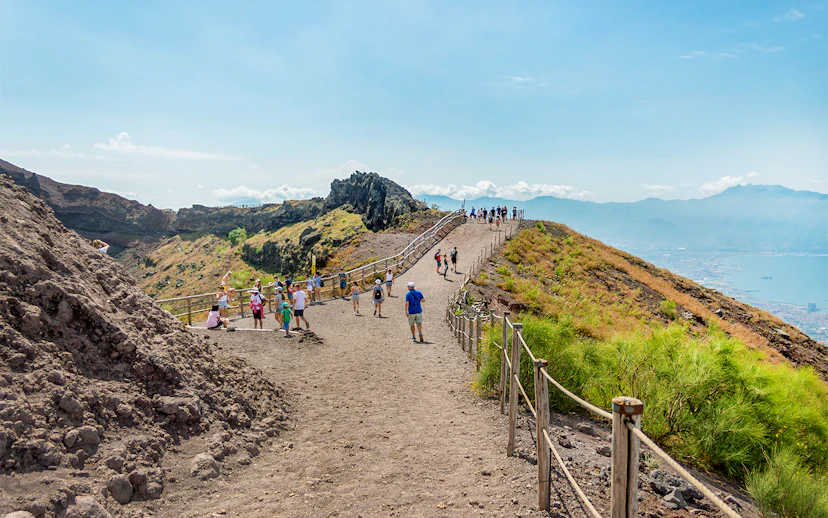
Gran Cono trail on Mount Vesuvius
1/4

Gran Cono trail

Trail type: Regulated volcanic crater trail

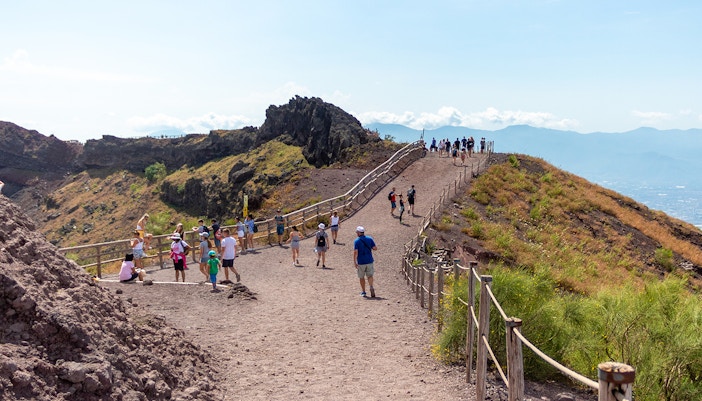
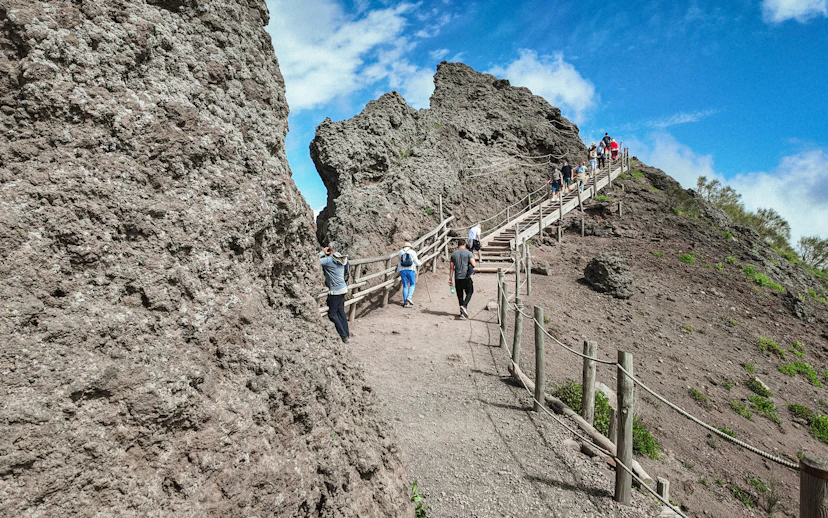
This is the core paid experience at Mount Vesuvius: a short but steep climb on loose gravel to the crater rim. It is worth slowing down for because the route builds the reveal gradually - you feel the slope, the wind, and the exposed terrain before the crater opens up above you.

Where to find it: Trail no. 5 "Il Gran Cono del Vesuvio," starting from the upper access area near Quota 1000

More on the Gran Cono trail

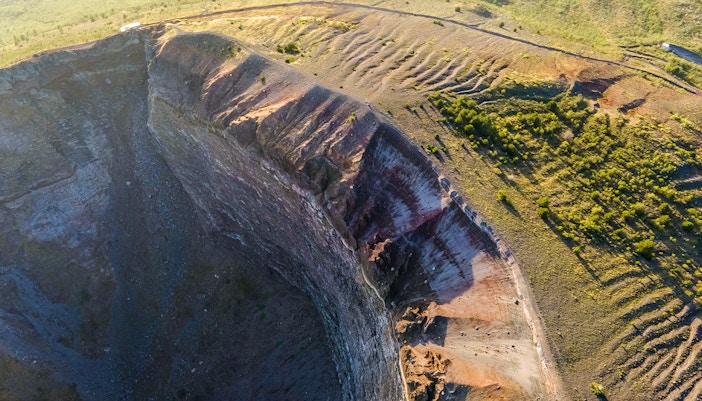
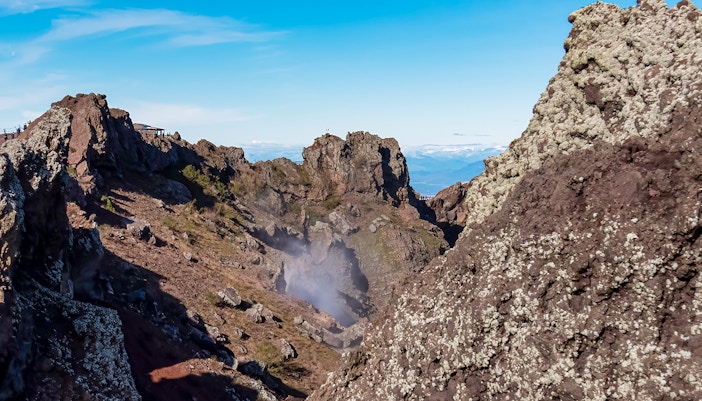
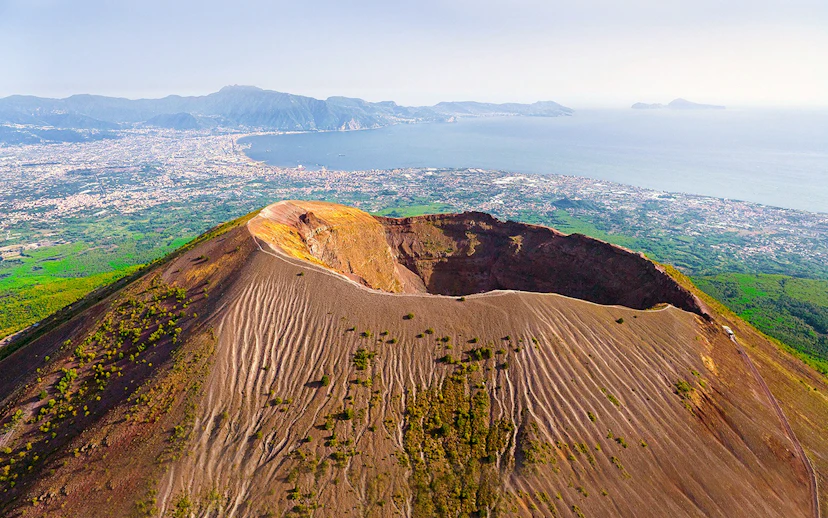
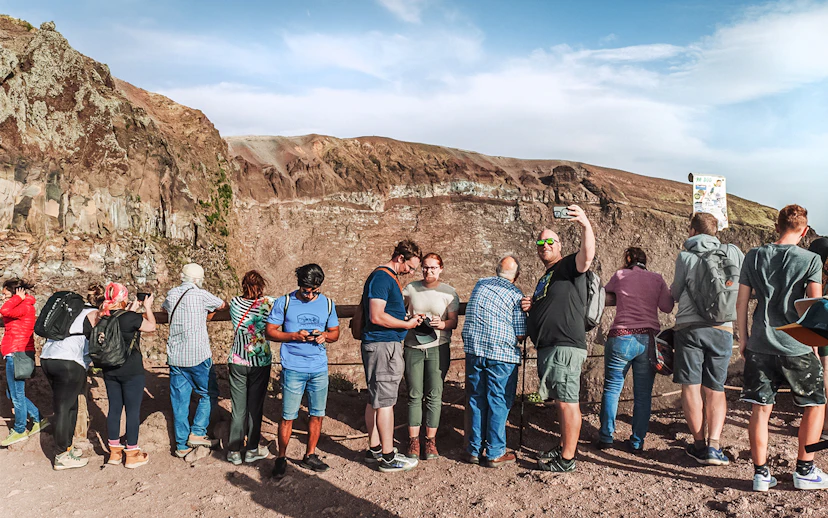
The crater rim

Geology: Active volcanic crater rim

The rim is the one part of the visit you should protect time for at all costs. This is where you look into the volcano linked to the destruction of Pompeii, and it is more immediate than many first-time visitors expect.

Where to find it: At the top of the Gran Cono trail, at the end of the uphill route

Bay of Naples panorama

Viewpoint type: High-elevation coastal panorama

The Bay of Naples views are not just a backdrop to the volcano - they are half the payoff. In clear conditions, the contrast between the crater behind you and the gulf ahead gives the visit its full scale.

Where to find it: Along the upper part of Trail no. 5 and around the crater-rim viewpoints

The upper access zone

Visit role: Staging point before the climb

This area is not scenic enough to count as a highlight on its own, but it matters more than people think because it is your last easy chance to prepare properly. Tickets, headphones, restrooms, and water are all easier to handle here than once you are on the slope.

Where to find it: Immediately below the Gran Cono trail start, at the upper drop-off / parking area

Facilities and accessibility

  • 🚻 Restrooms: Use facilities before starting the climb, there are no toilets up at the crater rim.
  • 🅿️ Parking: Self-drive visits use the upper parking and access area near Quota 1000, and parking is separate from the crater ticket.
  • 🩺 First aid / medical station: The park plans emergency coverage around the Gran Cono during busy periods because this is a high-volume managed trail.
  • 👮 Safety rangers: Park staff are stationed along the route for safety and checkpoint control, but they are not there to act as tour guides.
  • Mobility: The crater trail is not wheelchair accessible and is not recommended for visitors with limited mobility because the route is steep and loose underfoot.
  • 👨‍👩‍👧 Families and strollers: Strollers are not suitable on the trail, and children should only do the climb with close adult supervision from start to finish.

Mount Vesuvius can work with children who are steady on their feet, especially if they already like volcanoes or Pompeii, but it is not a casual stroller outing.

  • 🕐 Time: Around 1.5-2 hours at the mountain is realistic for many families, though shared transfer products can make it feel tighter.
  • 🏠 Facilities: Facilities are limited once the climb starts, so restroom stops and water breaks need to be handled before the trail.
  • 💡 Engagement: Frame the walk as the climb to the volcano that buried Pompeii, because children usually connect better once they understand what they are looking into at the rim.
  • 🎒 Logistics: Bring water, closed shoes with grip, and offline tickets or audio, and skip bulky strollers and heavy bags.
  • 📍 After your visit: Pompeii is the easiest child-friendly follow-up because the volcano makes much more sense once they see the ruined city it destroyed.

Rules and restrictions

Practical tips

  • Booking and arrival: Book your timed slot before your travel date if you can, because Vesuvius dates do sell out and last-minute inventory is not something to rely on.
  • Pacing: Save your energy for the first uphill stretch, because the trail is short but the loose gravel makes a fast start feel harder than it looks on paper.
  • Crowd management: Weekday slots with built-in transport buffer usually work better than the earliest possible departure, because late arrivals create more damage here than slightly busier viewpoints.
  • What to bring or leave behind: Bring water, headphones, and shoes with real grip, and leave heavy bags behind - this is an uphill crater walk, not a flat viewpoint stop.
  • Phone prep: Screenshot or download your ticket and any audio guide before you start the road ascent, because signal on the mountain is not reliable enough for last-minute fixes.
  • Combo planning: If you are pairing Vesuvius with Pompeii, decide in advance which one matters more to you, because both in one day is rewarding but rarely relaxed.
  • Food and drink: Eat before you go or bring a light snack for before or after the climb, because the mountain visit itself is too short and too structured to build around a meal stop.
  • Transfers: On shared transport products, start descending with margin rather than milking the very last minute at the rim - the return window is where these trips most often feel rushed.

What else is worth visiting nearby?

Eat and stay near Mount Vesuvius

  • On-site: Food options at the crater visit itself are limited, so Mount Vesuvius works better after breakfast or with a plan to eat before or after the climb.
  • 💡 Pro tip: If food matters to your day, turn the volcano into a slopes experience instead of hoping to improvise lunch on the mountain - the winery products from Naples are a much better fit for that.

The upper access area is not the best place to base yourself unless your only goal is an early self-drive volcano visit. Most travelers are better off staying in Naples, where transport choices are broader, or in Sorrento if the volcano is just one stop in a wider coast itinerary.

  • Price point: The mountain itself is not a natural hotel district, so practical value usually comes from staying in a larger base rather than as close to the trail as possible.
  • Best for: Visitors who want to keep Mount Vesuvius as a half-day trip rather than build an entire overnight around it.
  • Consider instead: Naples works best for ticket choice and transport flexibility, while Sorrento makes more sense if you are balancing Vesuvius with the coast and other Campania day trips.

Frequently asked questions about visiting Mount Vesuvius

Most visits to the crater trail take about 1.5-2 hours once you are at the upper access area. That usually covers the walk up, time at the rim, and the descent. If you are on a shared transfer from Naples or Pompeii, the full outing is often closer to 3 hours, and combo trips with Pompeii turn it into a full day.

More reads