













From happy customers

Loved by 49 million+
Trustpilot rating: 4.5 out of 5

Silvia P

Group
Dec 2025


Many people but beautiful experience. The entrance was easy and convenient. Underground Naples was an emotionally charged experience

Alessandro V

Group
Dec 2025

Beautiful experience with a very professional prepared and nice guide! Underground Naples is a wonder to discover and therefore impossible not to go there.

Eleonora C

Family
3 days ago
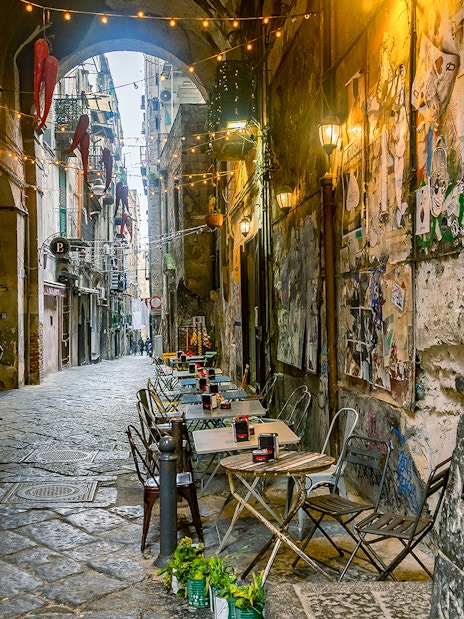
Very interesting from a historical and cultural perspective. I also really appreciated the guide’s expertise and helpfulness. Another highlight of the tour is the chance to immerse yourself in authentic Neapolitan neighborhoods with all their charm

Matteo P

Italy
Couple
2 weeks ago
A fascinating and mysterious place. The guide was young and knowledgeable, and explained everything perfectly. Unfortunately, by law, you’re not allowed to take photos or videos, but it’s a place you’ll remember forever!

Oliver K

Solo
Last week
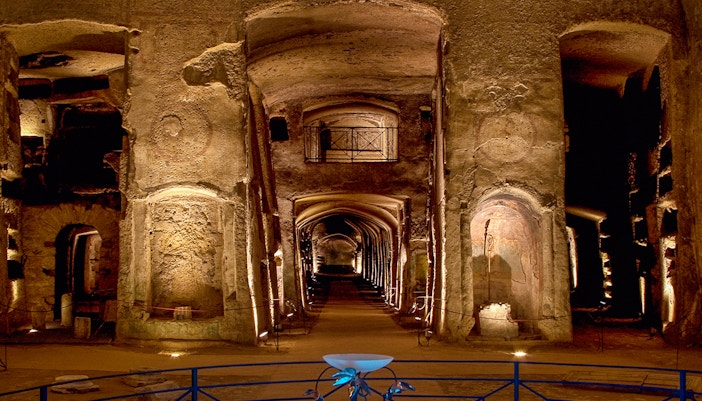
The tour was very informative, and the catacombs were truly impressive. The guide explained a lot and seemed very knowledgeable. It was a real experience.

Nicoletta M

Italy
Couple
Feb 2026
A wonderful tour, interesting and fascinating, discovering the underground world of Naples. A beautiful itinerary with lots of detailed explanations that were both entertaining and easy to follow, thanks to the excellent guide Antonio.

Romano U

Italy
Family
Dec 2025
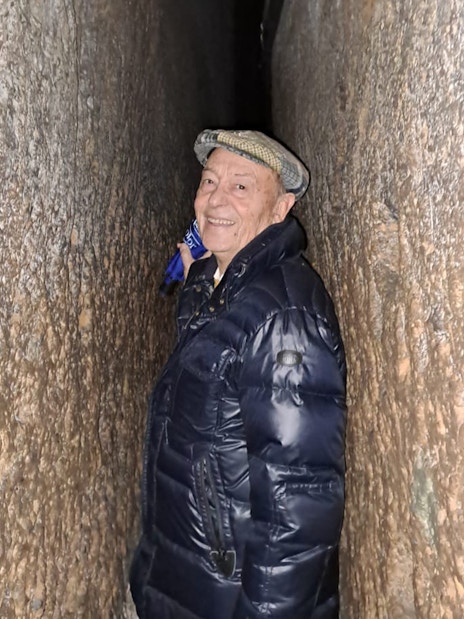
I visited underground Naples in the Spanish quarters with my family and a nice group of other tourists. Giulia, our young but well-prepared guide, took us through the narrow underground passages, introducing us to a reality of Naples that we did not know, with anecdotes and curiosities that made the tour very interesting and lighter than expected. Perhaps also thanks to the presence of O' Munaciello??? Highly recommended!

Boris L

United States
Couple
Dec 2025
Great presentation and insight into the history of Naples. Very engaging guide that keeps you involved, interested, and entertained at he same time. Definitely a must see in Naples.

Top things to do in Naples

Why visit Napoli Sotterranea?

Trace Naples' history across millennia

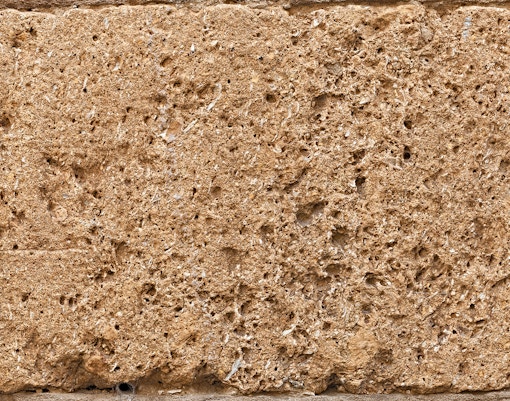
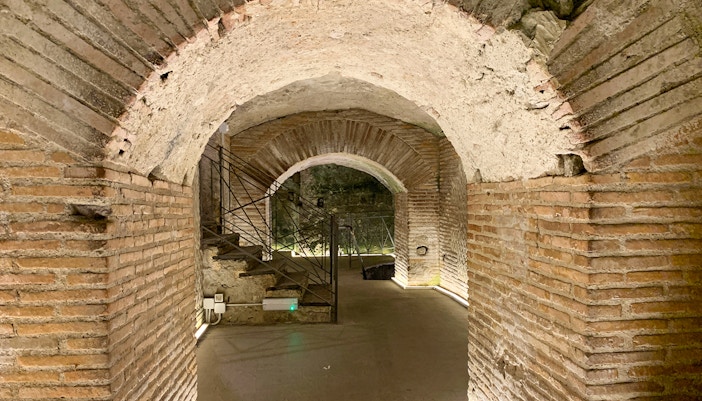
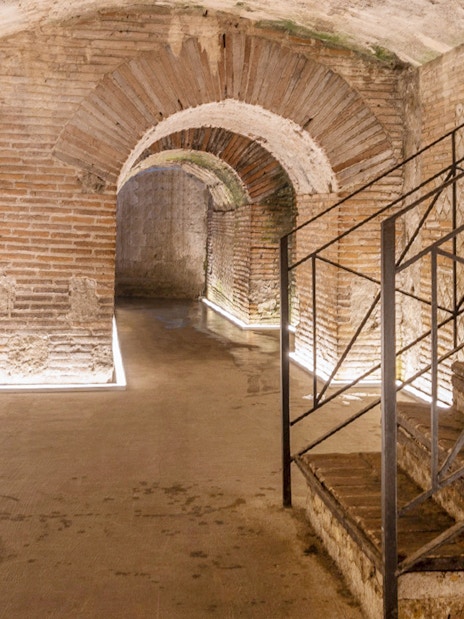
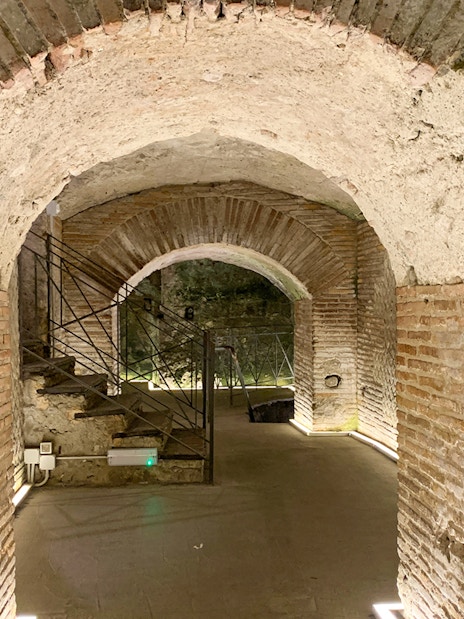
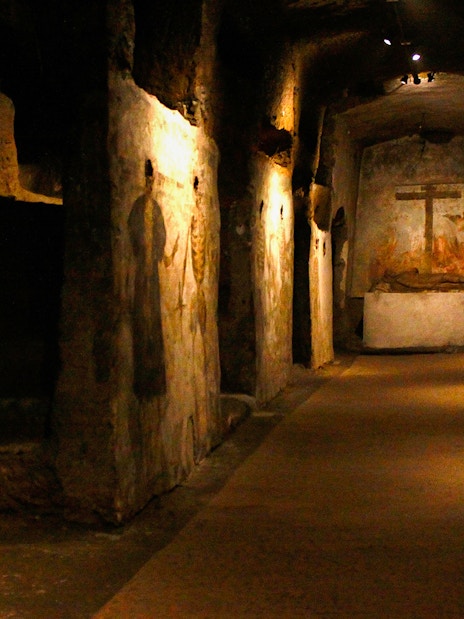
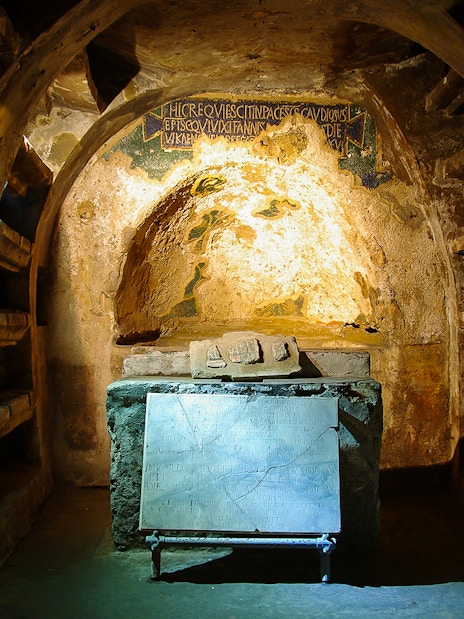
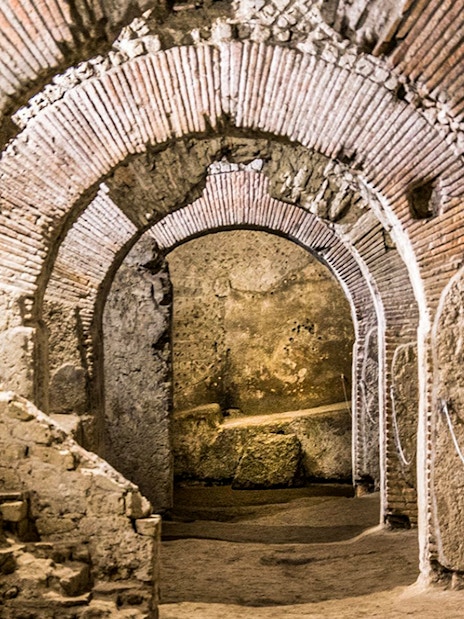
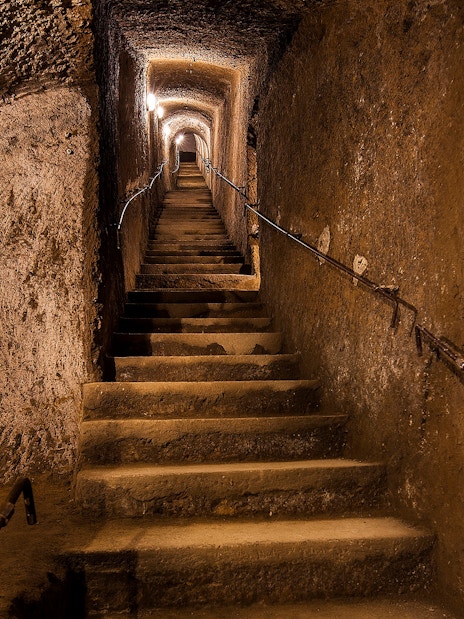
This underground network unveils 24 centuries of history and hidden treasures 40 meters beneath the vibrant cityscape. It began with the Greeks in the 4th century BCE and ended with the Roman Empire in the first few centuries CE, followed by the medieval, Renaissance, and World War eras.

Along a well-mapped route

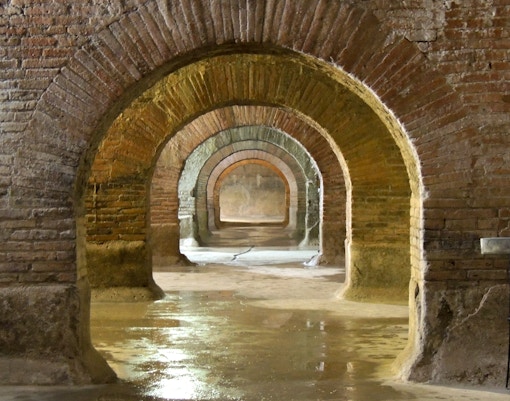
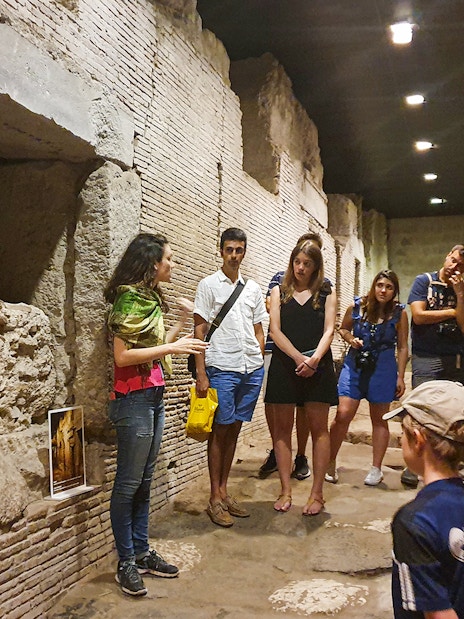
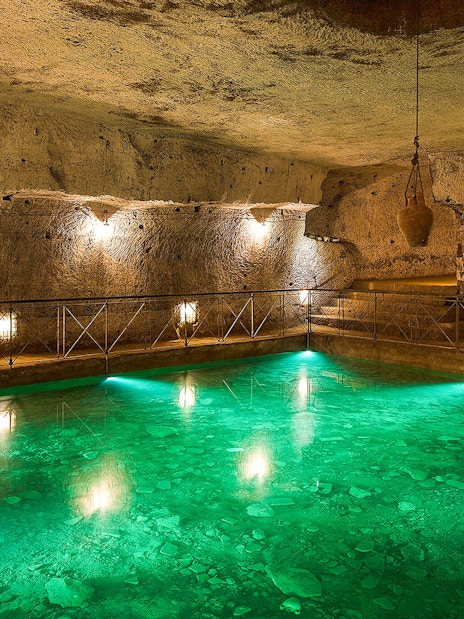
Guided tours with experts ensure you don’t miss a thing, and help you navigate the underground caves safely. This official and authorized route covers ancient cisterns, a Greco-Roman theater, wartime shelters, and hypogeum gardens.

Part of the UNESCO-listed City Center

Dubbed a UNESCO World Heritage Site in 1995, the Historic Center of Naples is home to several important monuments. Right next door at Piazza San Gaetano 316, you'll find San Lorenzo Maggiore Basilica and the Neapolis Sotterrata ruins.

Things to know before booking Napoli Sotterranea tours

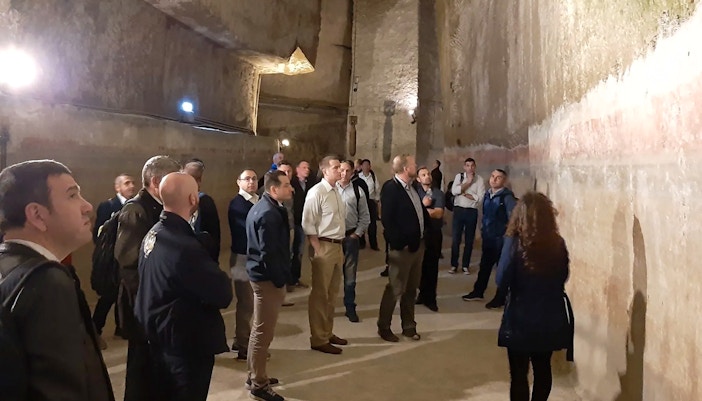
  • A tour of the Napoli Sotterranea takes up to 1.5 hours. You will follow an authorized route along early galleries, water reservoirs, a theater, and bomb shelters from the Second World War.
  • You cannot explore the tunnels of Napoli Sotterranea independently. All visits include a professional guide who helps you navigate safely and protect the integrity of the underground sites.
  • While you can get tickets directly on-site, booking online lets you save on time spent waiting in lines and plan your day more efficiently.

What to see inside the official Napoli Sotterranea?

War museum

War museum

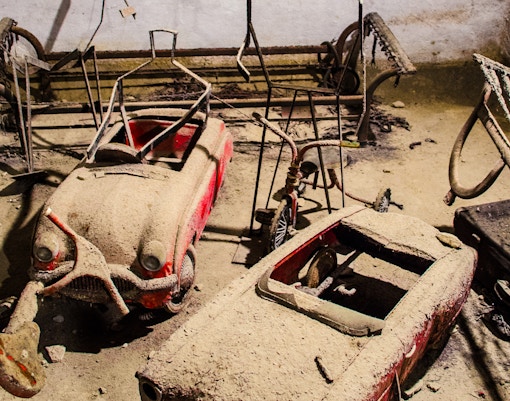
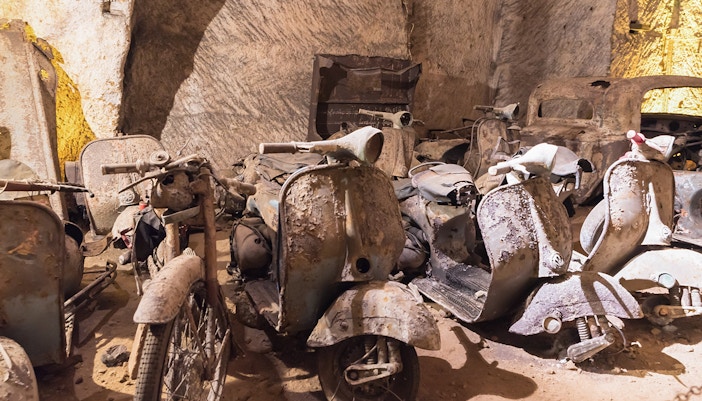
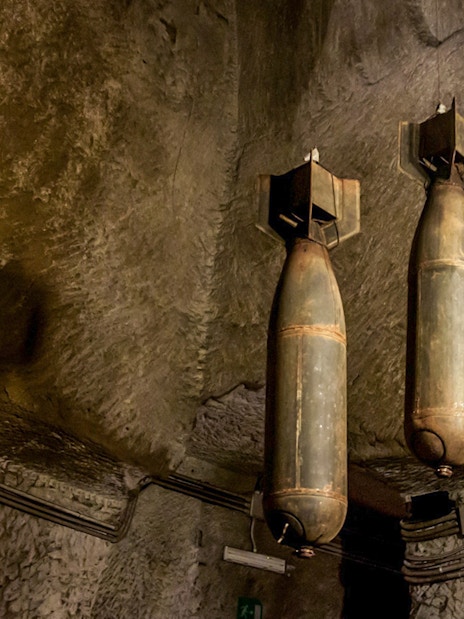
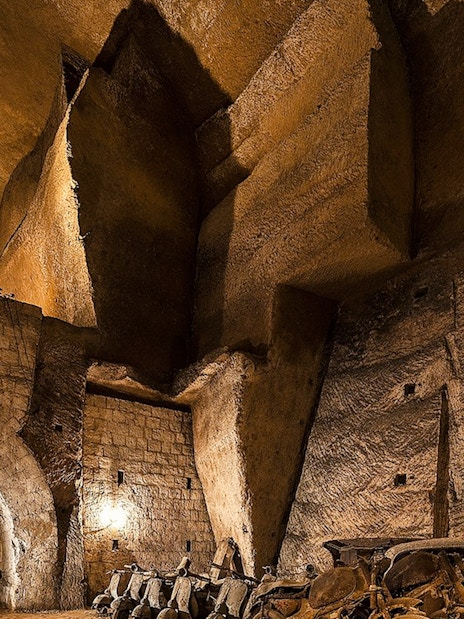
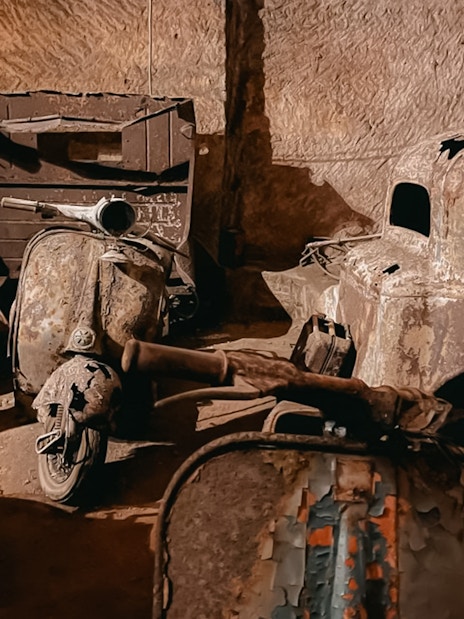
Parts of the underground tunnel networks were used as a bomb shelter by close to 40,000 people during the Second World War. This underground museum preserves documents and objects relating to the war, including bunk beds, forgotten weapons, and war machinery. You will also find graffiti and magazines from the era.

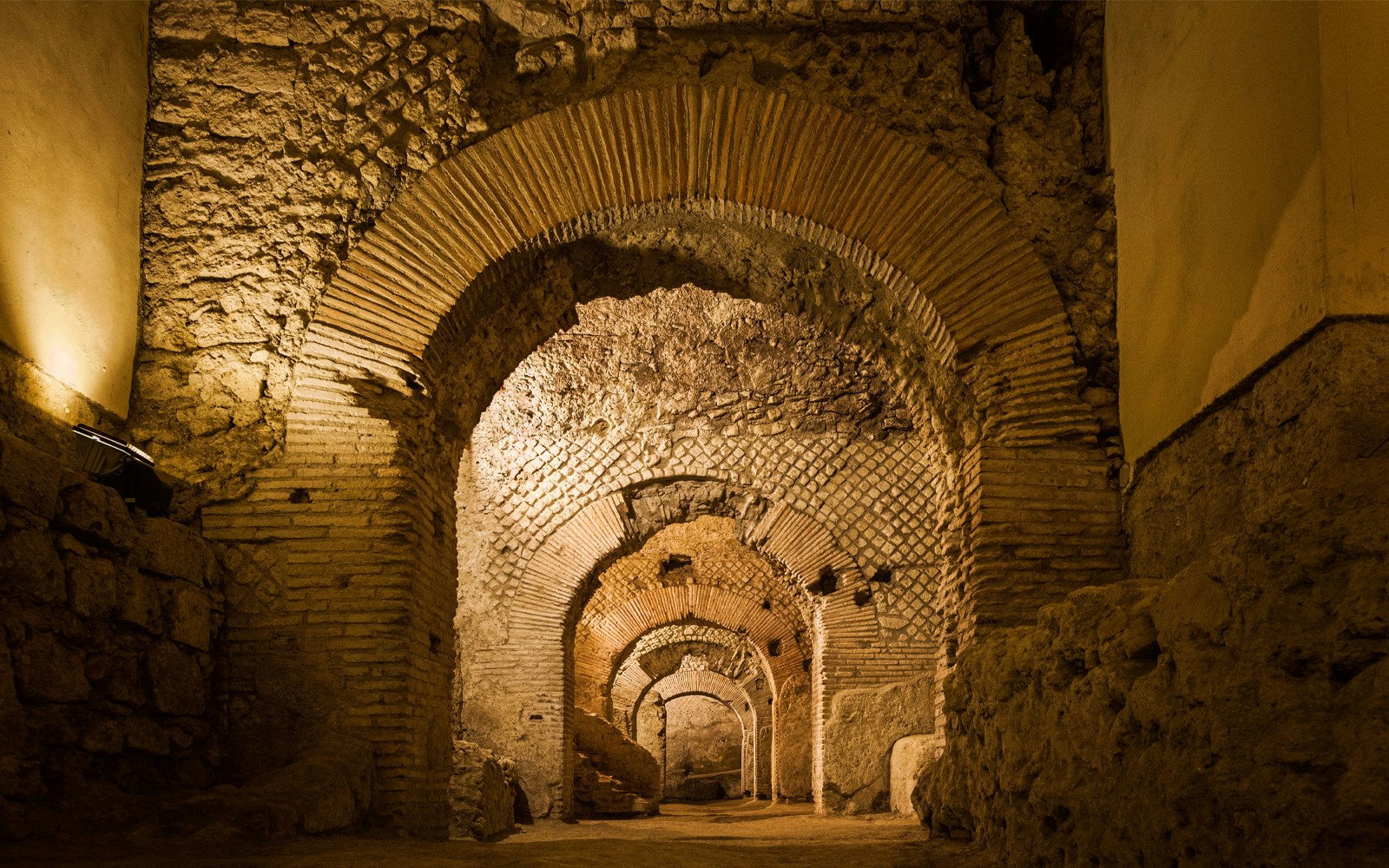
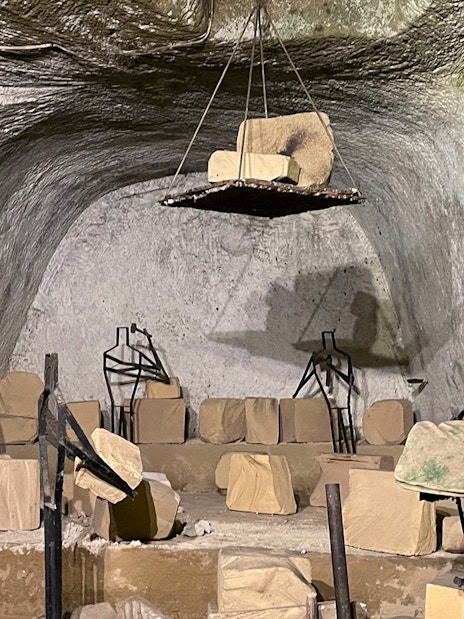
Greckp\o - Roman Theatre
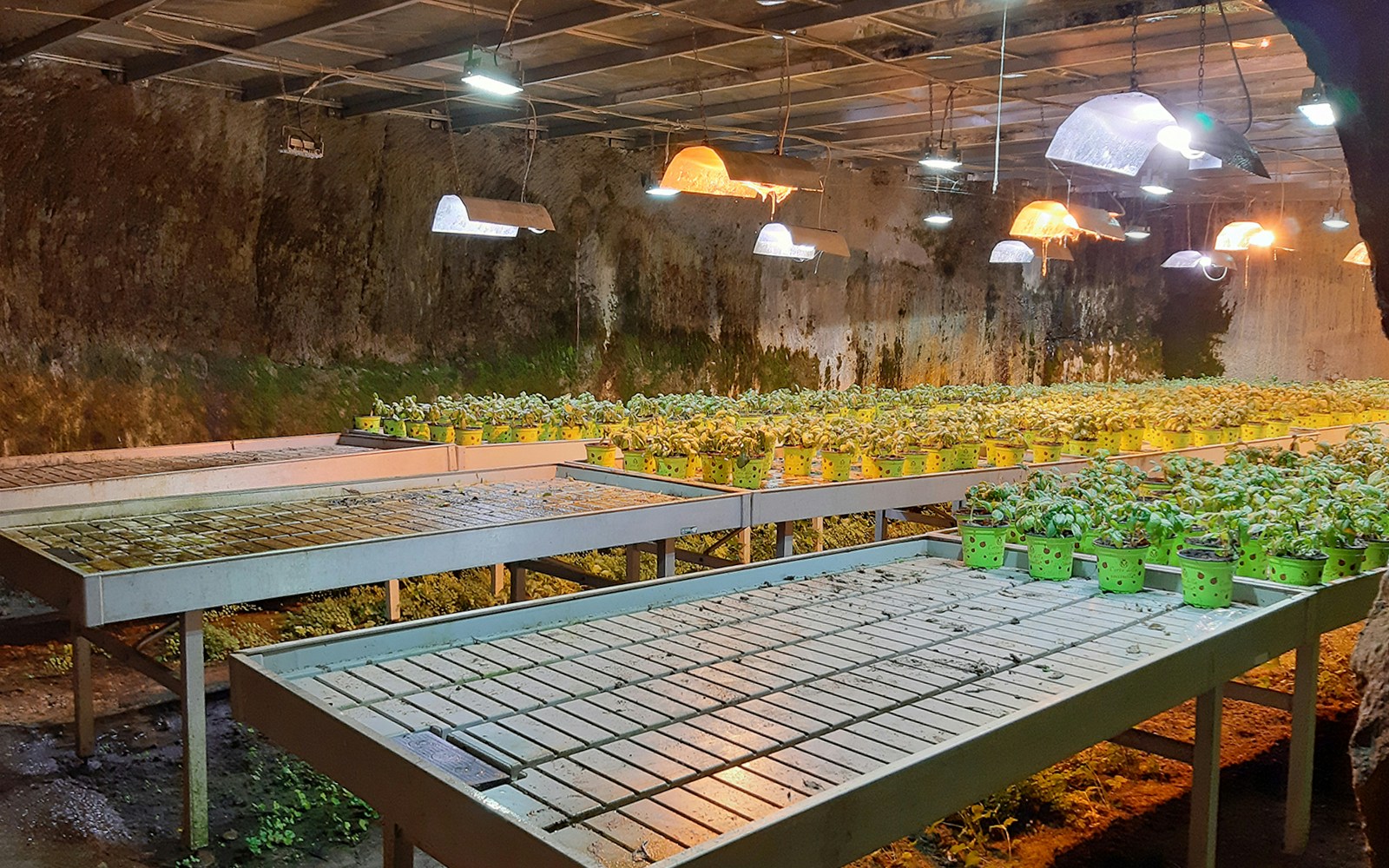
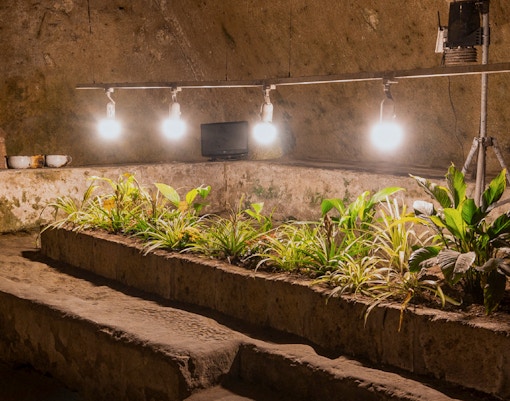
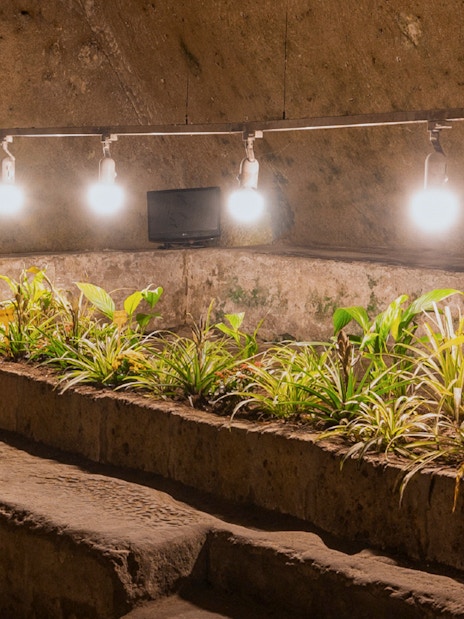
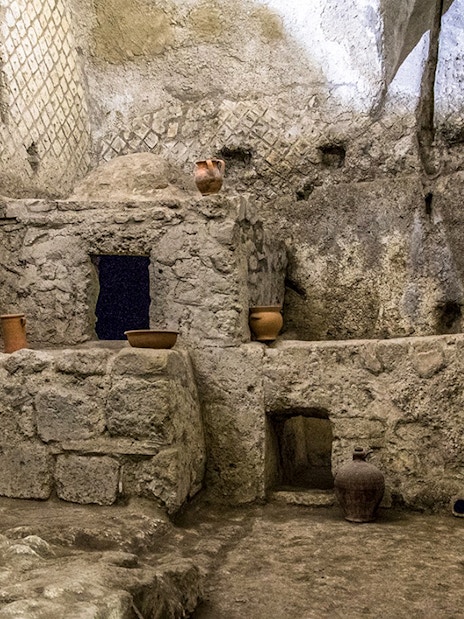
Naples Underground hypogeum garden, optimal for grwoing plants.
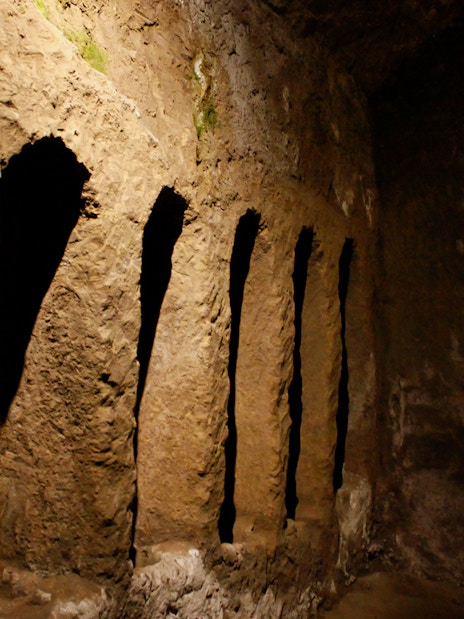
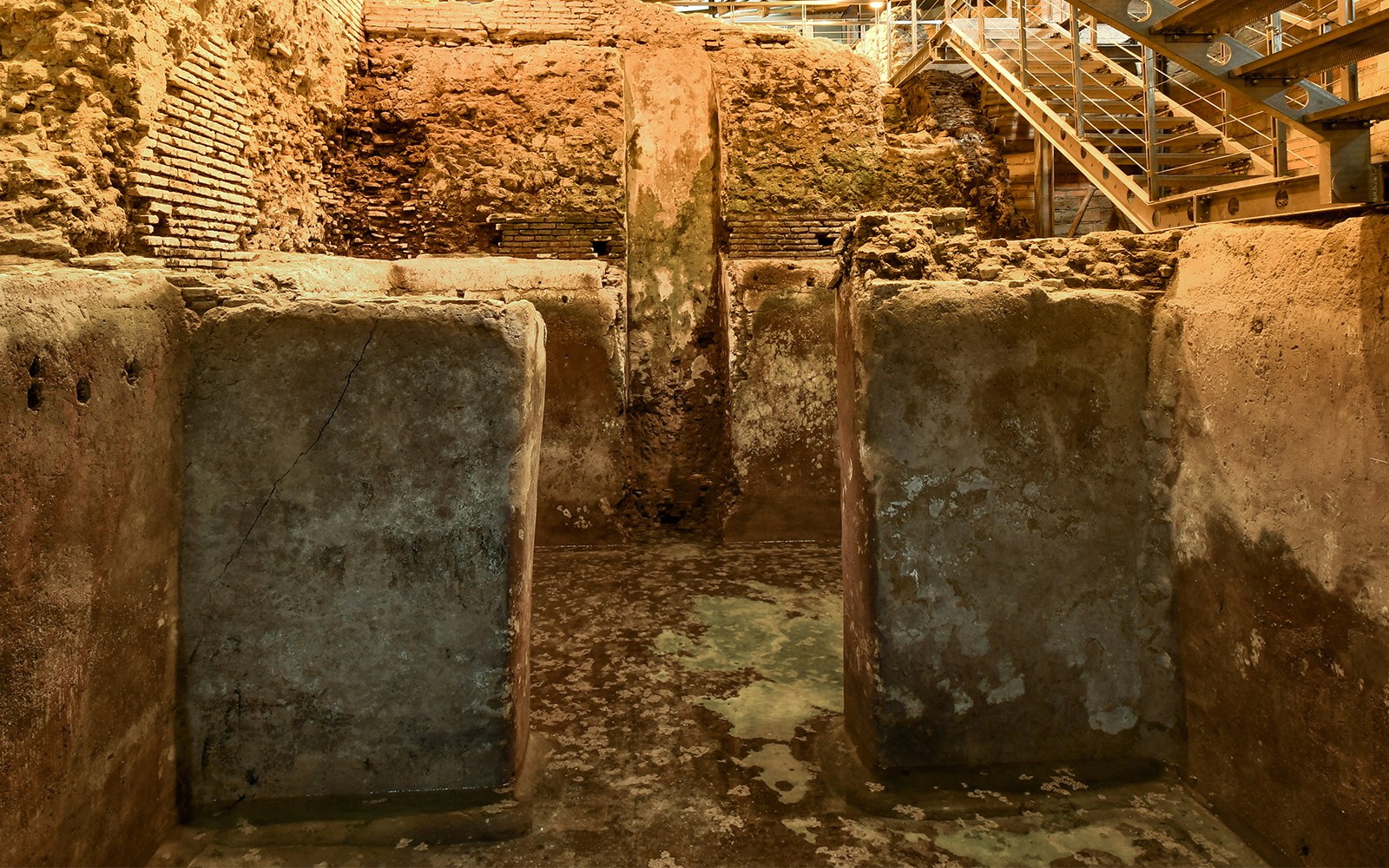
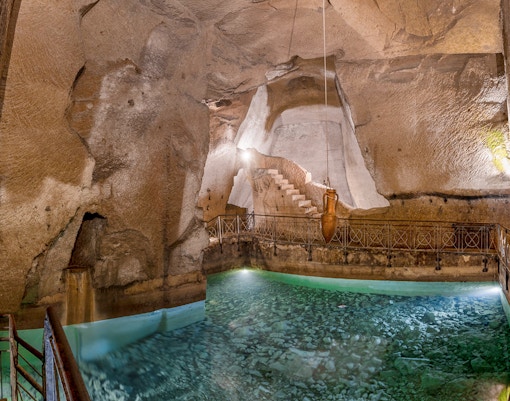
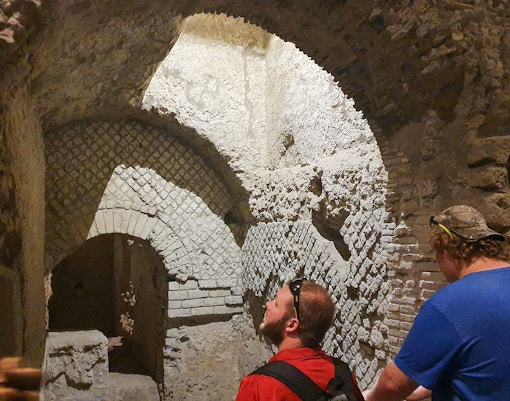
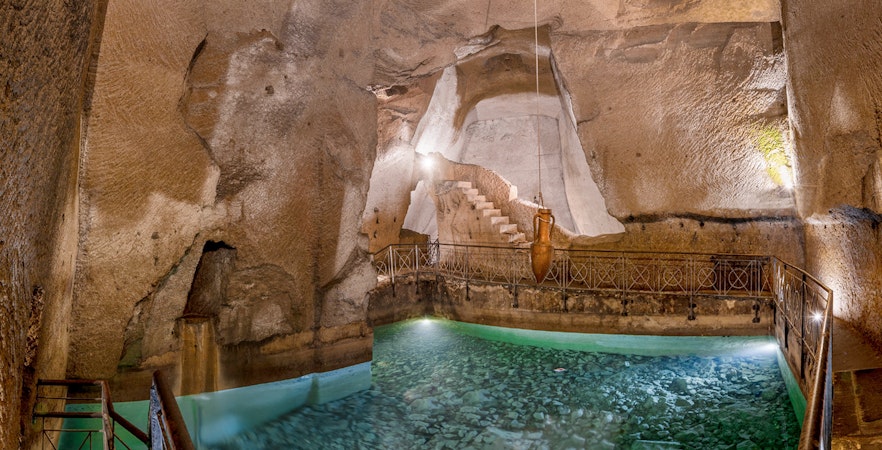
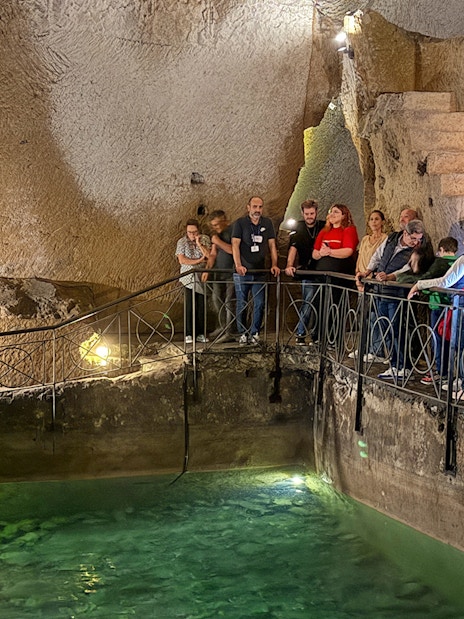
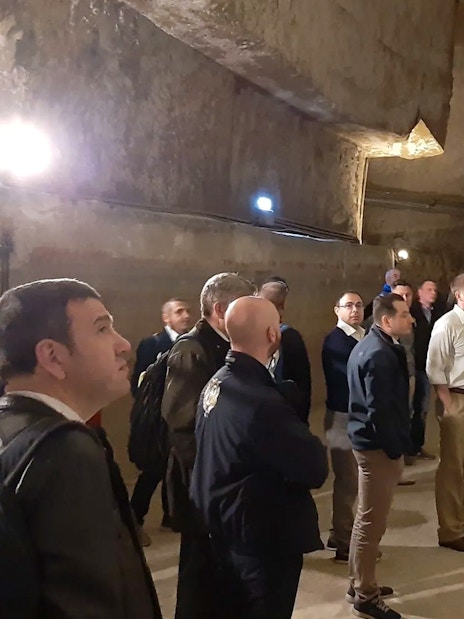
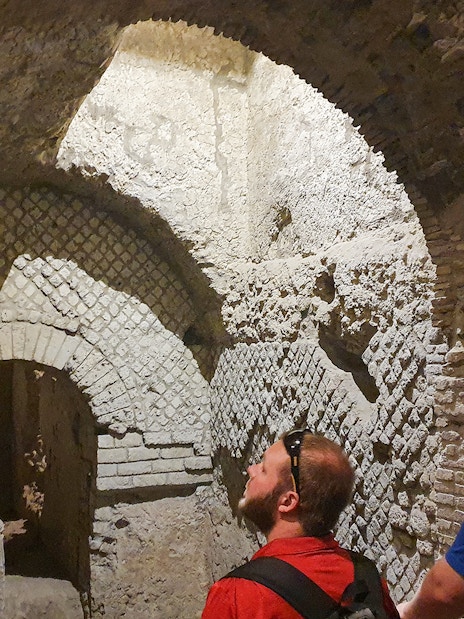
People exploring water resorvoir in Naples underground.
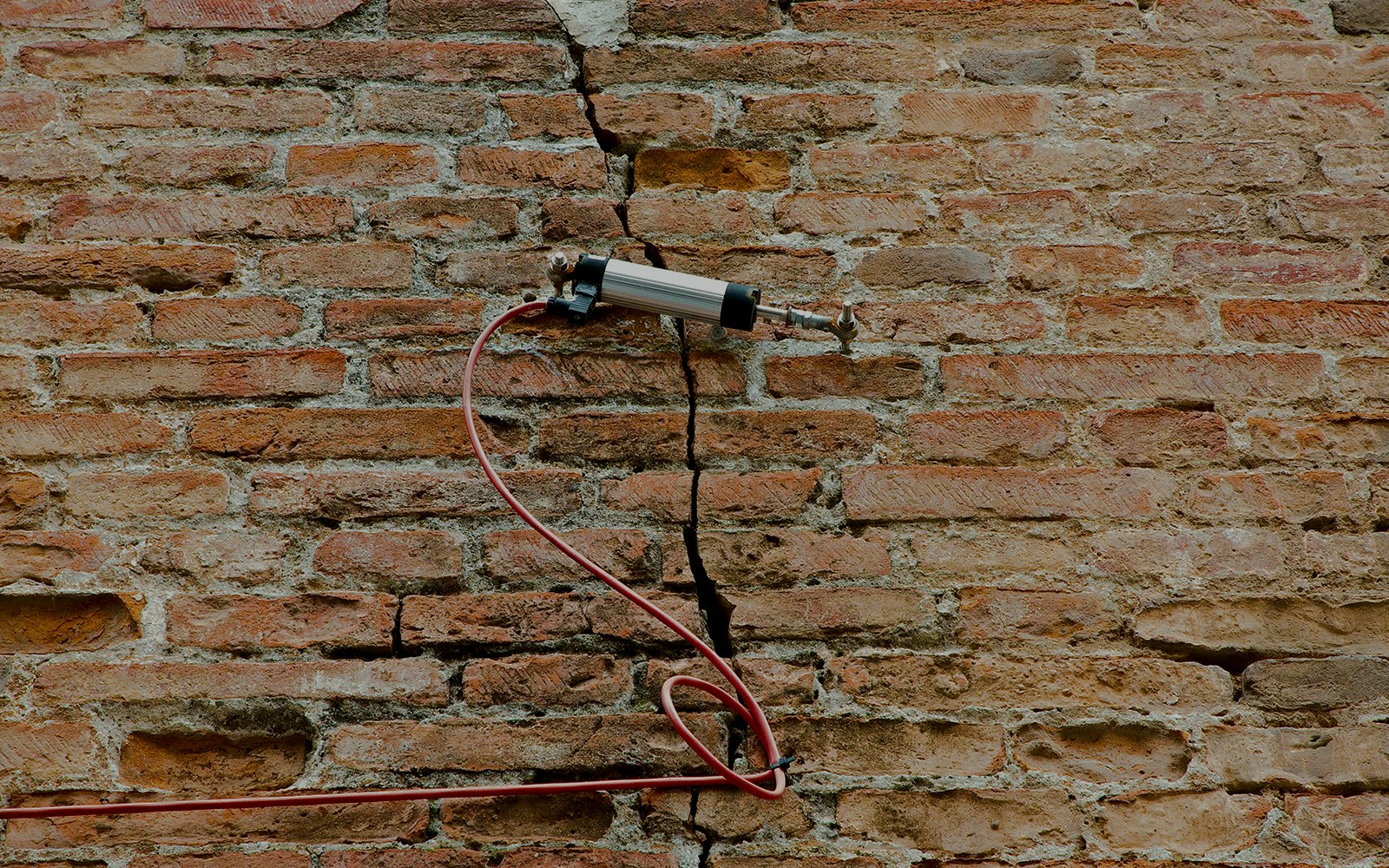
Naples underground earthquake monitor system with historical artifacts and monitoring equipment.

History of Napoli Sotterranea

4th century BCE

🪨The Greeks begin quarrying tuff stone from underground for city construction and subsequently establish Neapolis (modern Naples), forming the earliest tunnels of what becomes Napoli Sotterranea.

1st century BCE – 1st century CE

💧Romans expanded the underground network, constructing aqueducts and cisterns to supply water to the city.

🎭A theater is built nearby, integrated into the urban fabric above, becoming a hub for entertainment and dramatic performances.

Middle Ages (5th – 15th century)

🏙️The aqueduct system remains in partial use, but the Roman theater is abandoned and covered as the city grows above it.

♻️Subterranean spaces are repurposed for storage, refuge, and urban development.

Renaissance and Early Modern Period (15th – 18th century)

🔦The underground network is used for water storage and emergency escape routes. Structures above ground incorporate remnants of ancient ruins, blending Naples' layered history.

🚿In the 16th century, nobleman Cesare Carmignano built a new aqueduct because the old one and its rainwater cisterns were no longer able to satisfy the growing water needs of the city.

World War II (1939–1945)

🛩️The tunnels and chambers serve as air raid shelters, protecting thousands of Neapolitans during bombings.

💈Remnants of life under the surface during this time – including graffiti and personal artifacts, are preserved for all to see.

Post-War Era (1950s–1980s)

🔍In the late '70s, Enzo Albertini founded a committee to rediscover and restore Naples' subsoil, hosting guided walks through key sites of anthropological and archaeological significance beneath the city.

🎀✂️In the late '80s, the site known as Napoli Sotterranea was officially opened, offering regular excursions underground.

🏛️1995: The Historic Center of Naples, of which Napoli Sotterranea is a central feature, was officially designated as a UNESCO World Heritage Site.

Modern Day (21st century)

🏳️Napoli Sotterranea is a celebrated cultural and historical site, offering regular guided tours through an authorized route showcasing Naples’ rich and layered history.

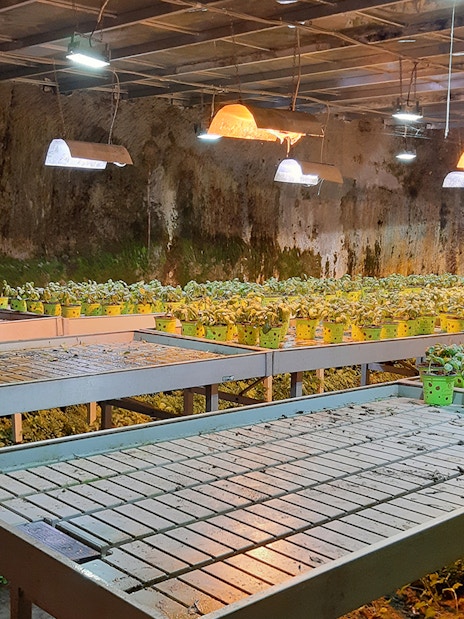
🌱The hypogeum gardens were set up in 2015, in order to experiment with crop growth 35 meters deep in the ‘bowels of Earth’.

Plan your visit to Napoli Sotterranea

Location

How to enter

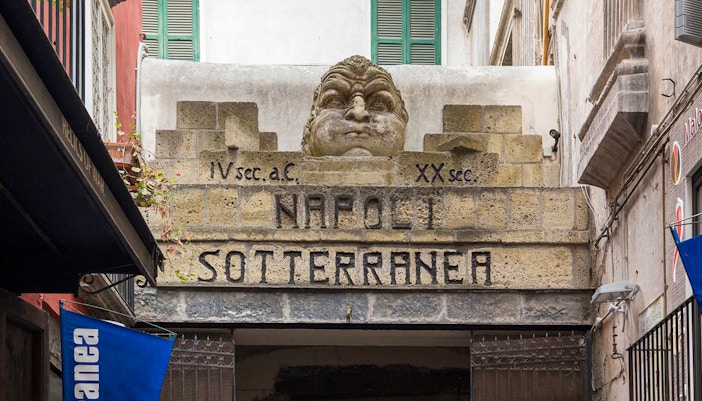
You can access the Napoli Sotterranea from Piazza San Gaetano, 68 [find on maps]. The entrance is marked by blue and white flags. As with all the others, this specific section of Underground Naples requires separate tickets.

How to reach

🚌By bus: Catch a bus on lines 3M or R5.
Nearest stop: Costantinopoli, Piazza Garibaldi

🚄By train: Lines FR, FA, FB, IC, ICN, or R.
Nearest stop: Naples Centrale

🚇By metro: Lines 1 and 2.
Nearest stop: Museo Underground, Dante on Line 1.

🚕By car: You can grab a car or taxi to reach Napoli Sotterranea. It will be a 10-minute walk from the parking spots.
Nearest stop: Duomo, Piazza Cavour, or Corso Umberto parking spaces

Detailed getting there guide

Visitor tips

  • Carry a layer of extra clothing even during warmer months, and wear comfortable flat shoes to traverse the uneven terrain.
  • Spring is the best time to visit since the weather is mild and crowds are relatively lower.
  • Booking your tour online gives you the flexibility to enjoy other sites nearby before making a direct entry instead of standing in the ticket lines.
  • Nearby, you can explore the historic center and landmarks like Via dei Tribunali, the octagonal Misericordia chapel featuring Carravaggio’s works, and the extravagant Duomo di Napoli.
  • Craving a delicious Neapolitan pizza after your tour? Visit Gino e Toto Sorbillo. Or, head to Osteria Ippolito for authentic Italian comfort food.
Plan your visit

Frequently asked questions about Napoli Sotterranea

A guided tour of the Napoli Sotterranea can last up to 1.5 hours. The only way to visit is in the company of an authorized guide.

More reads