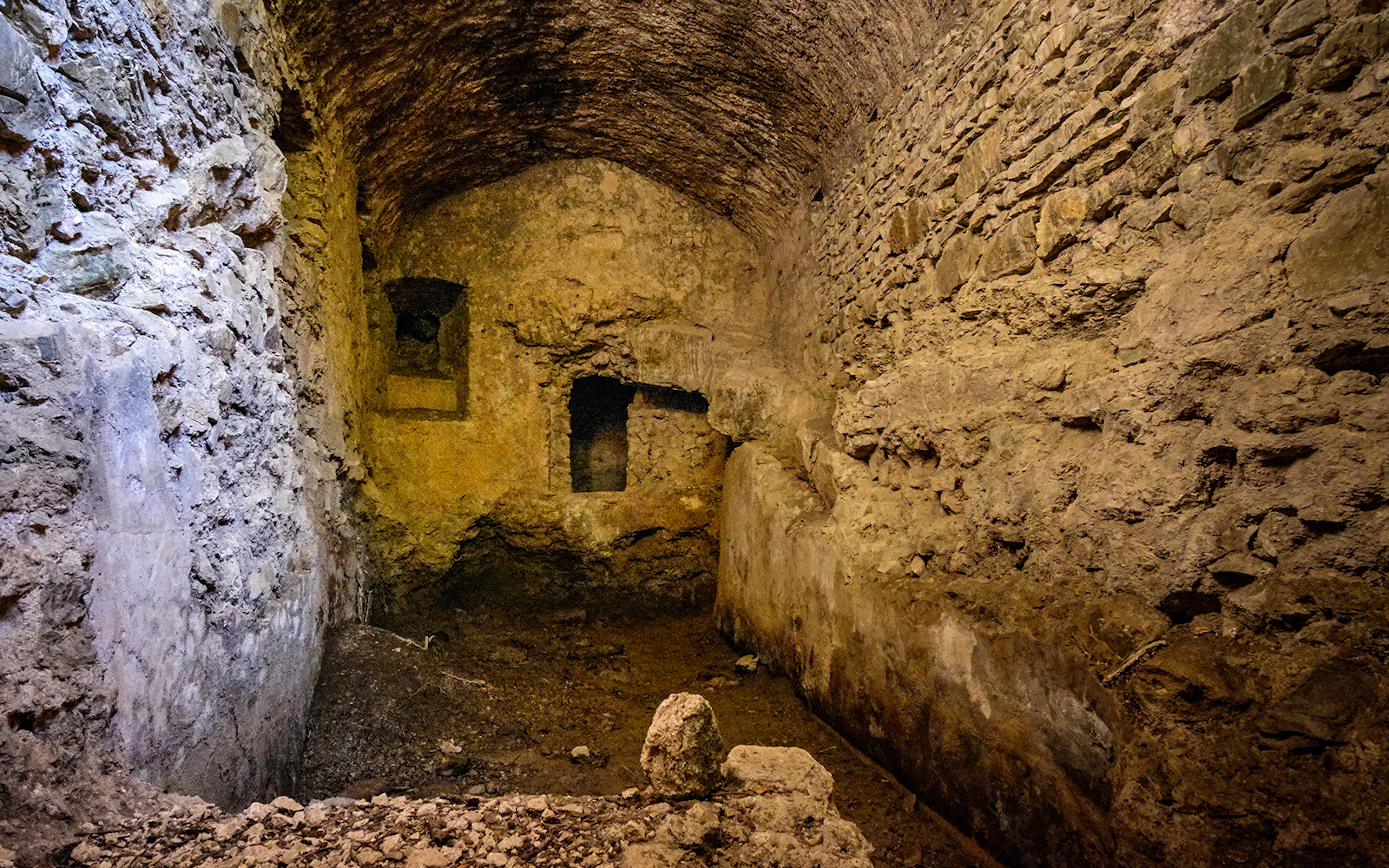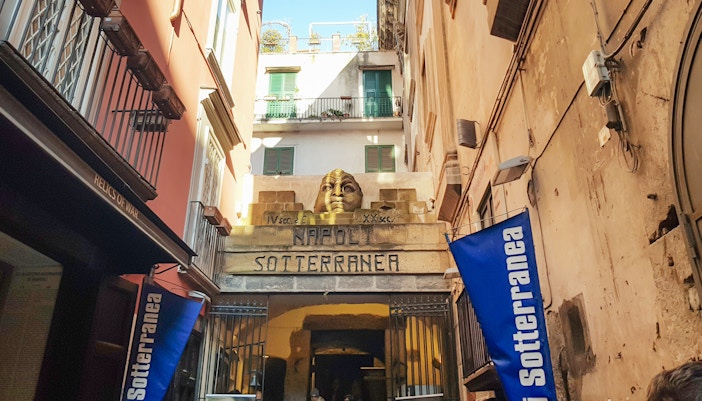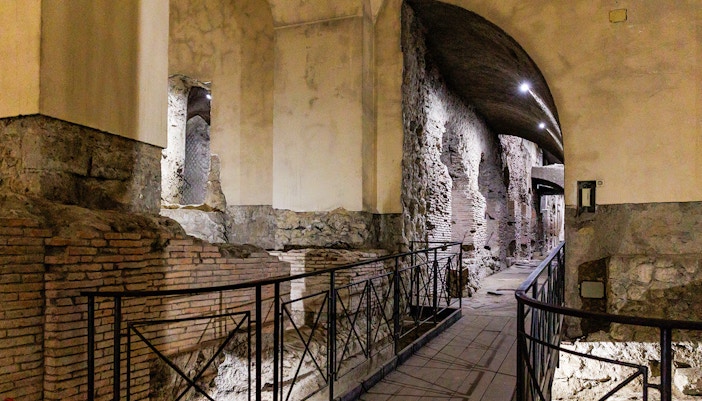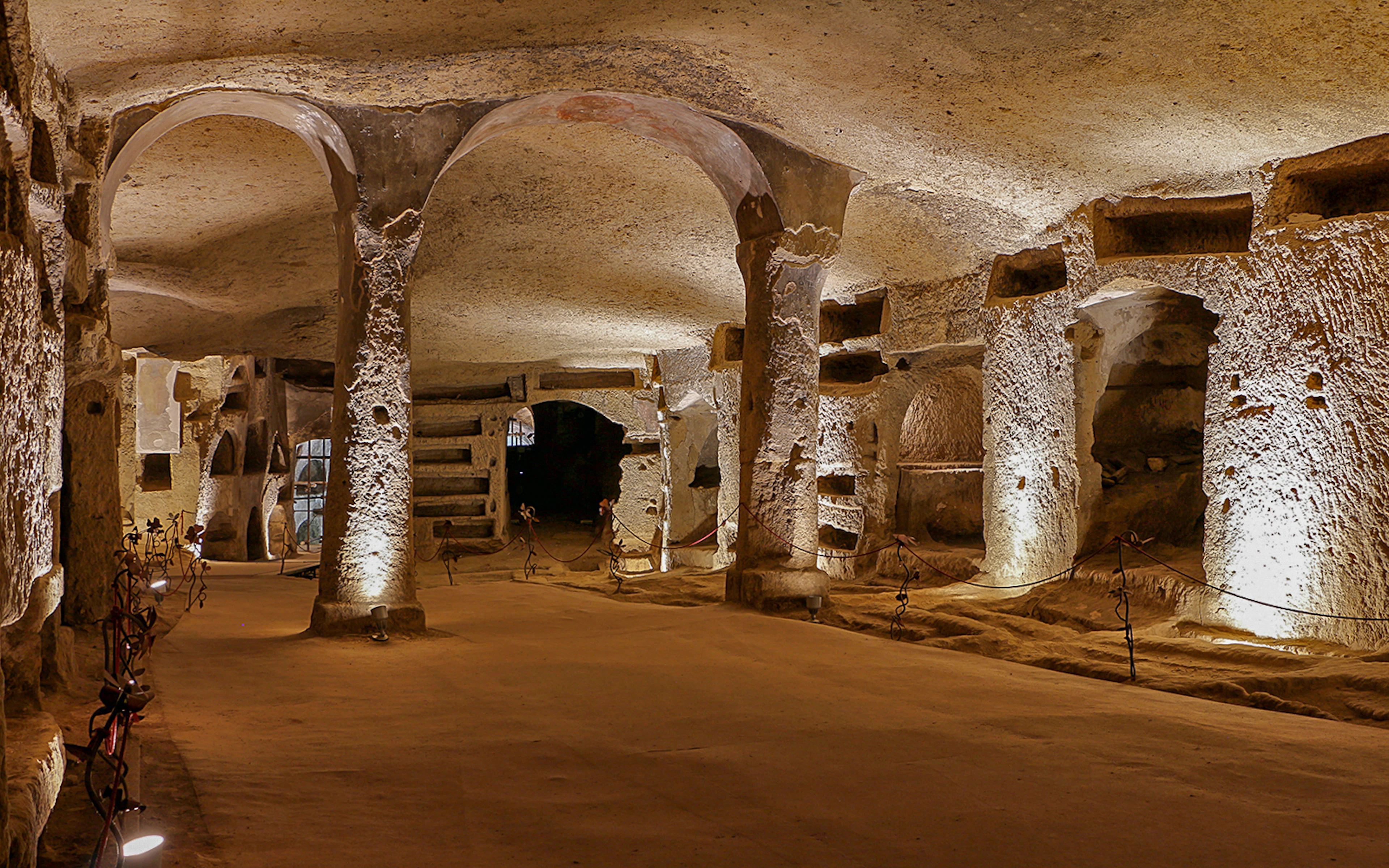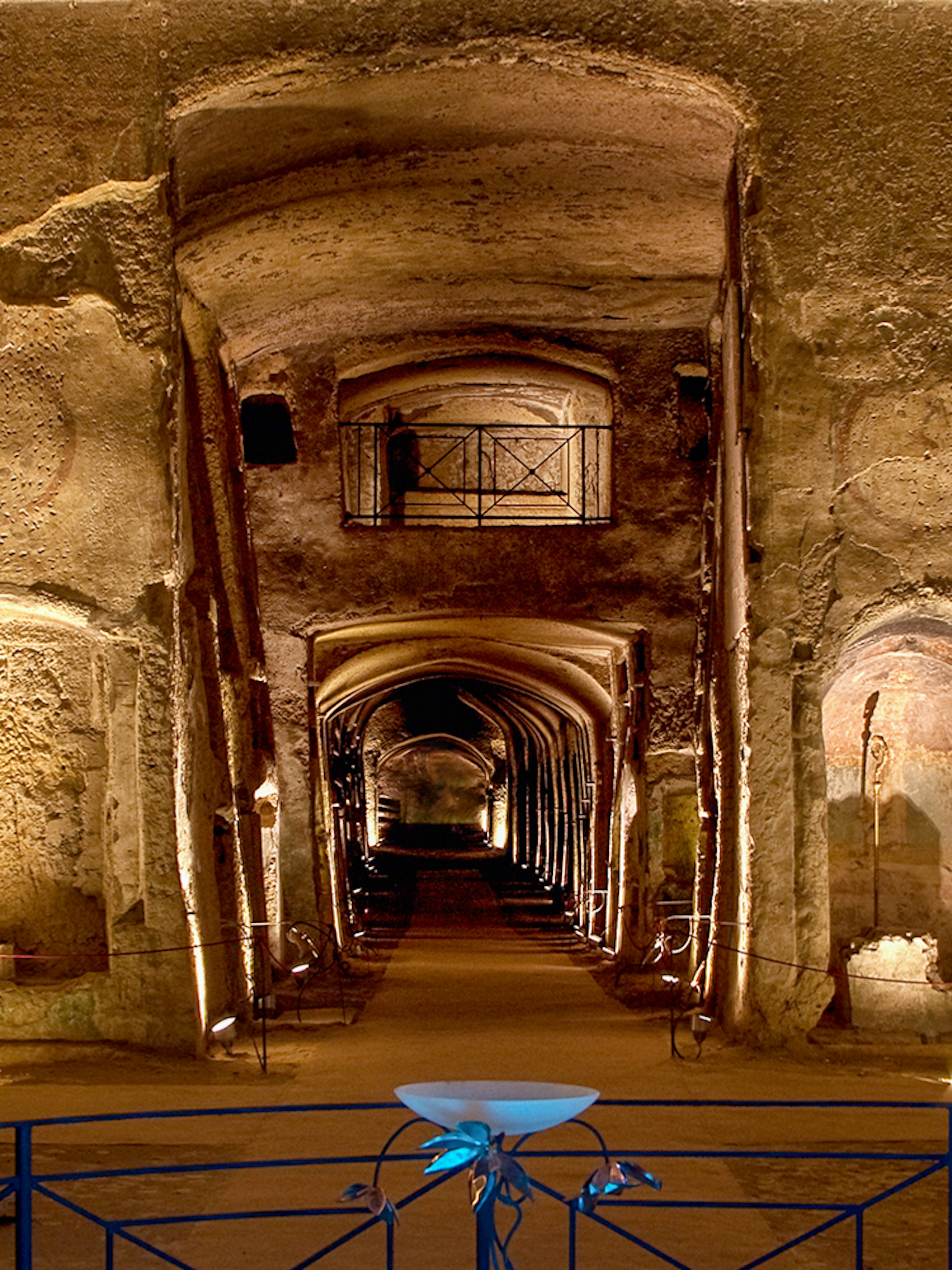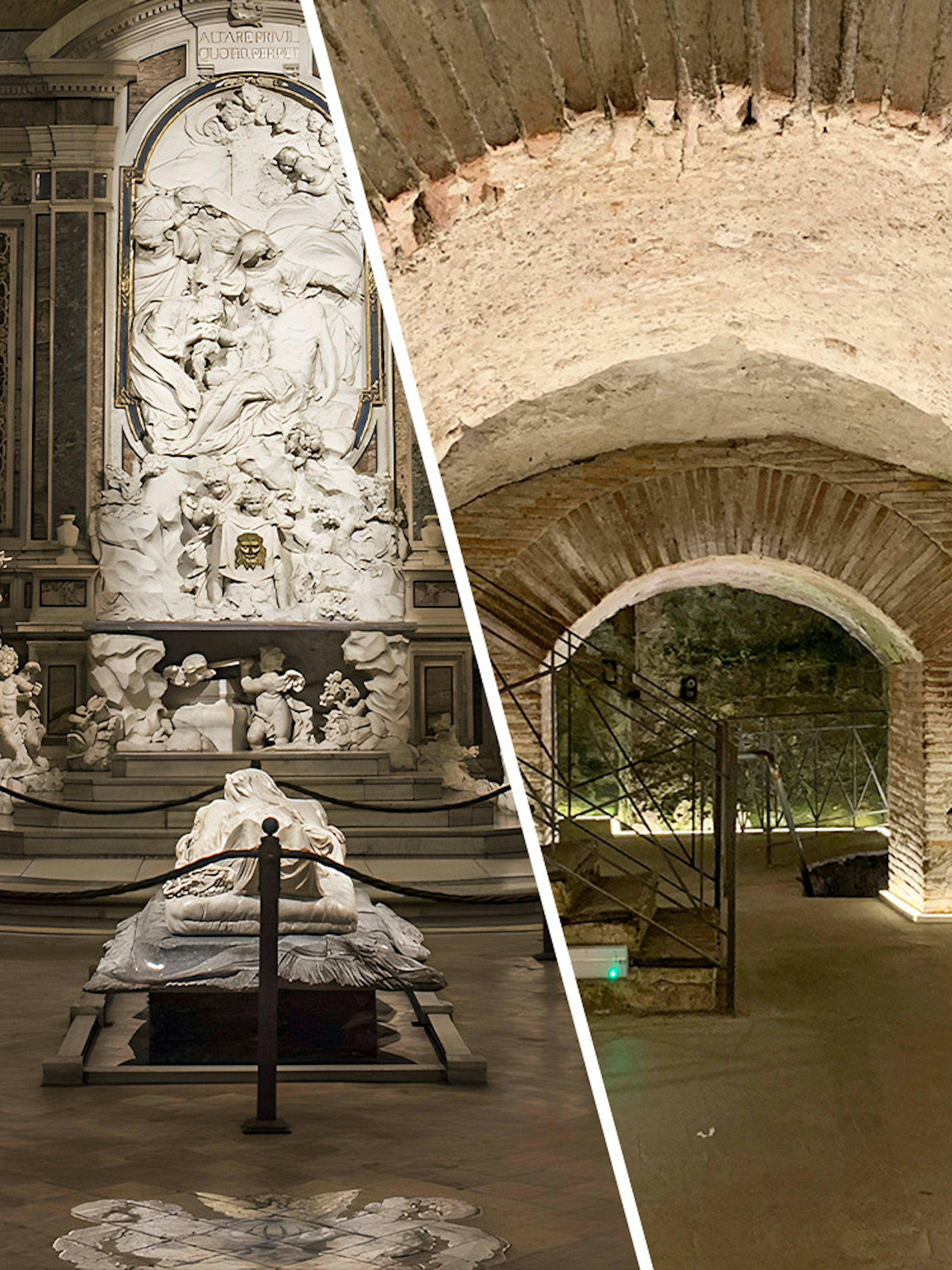
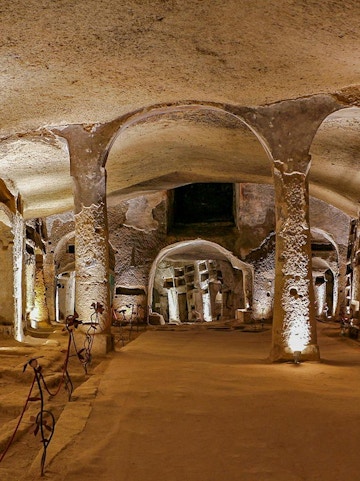


The Catacombs of San Gennaro are the most expansive, covering 5,600 square meters carved into the volcanic tuff of Capodimonte Hill. The Catacombs of San Gaudioso are the second largest.
Top things to do in Naples
Why visit the Catacombs of Naples?
🪦Naples' largest underground burial sites
🎨Unique art and architecture
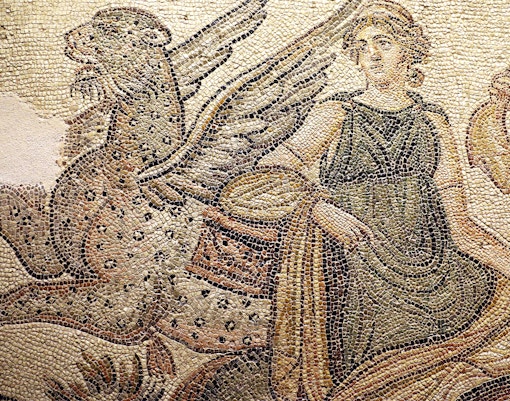
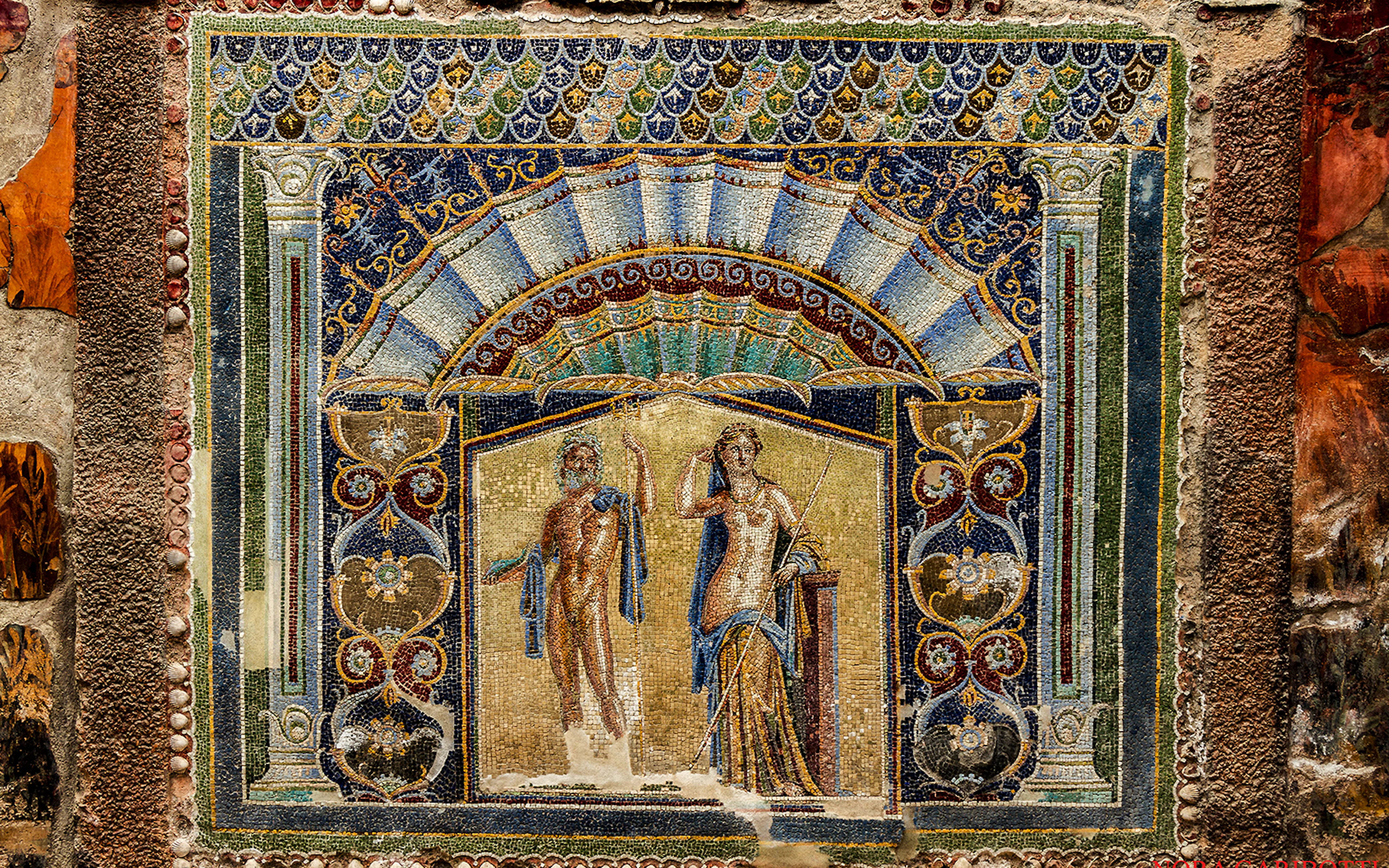
Witness early Christian frescoes and mosaics, along with unique 17th-century burial practices that reflect the evolution of religious art and architecture.

🎟️Two sites in one ticket
Get tickets to both San Gennaro and San Gaudioso in one purchase. Choose which one you will visit first, and visit the other one within 12 months.

📑Educational value
Learn about evolving burial customs, early Christian iconography, and the historical context dating all the way back to the 2nd century AD on a one-hour guided tour.
Things to know before booking Catacombs of Naples tours
- Booking tickets to one of the Catacombs gives you access to the other one, with tickets valid for 12 months after your first date of visit.
- You begin with a one-hour guided tour of the Catacombs, followed by the possibility of exploring the basilicas above by yourself after the tour.
- The Catacombs of San Gaudioso feature uneven surfaces and narrow passageways, making them inaccessible by wheelchair. The Catacombs of San Gennaro are more accessible due to wider corridors and open spaces.
What to see inside the Catacombs of San Gaudioso?

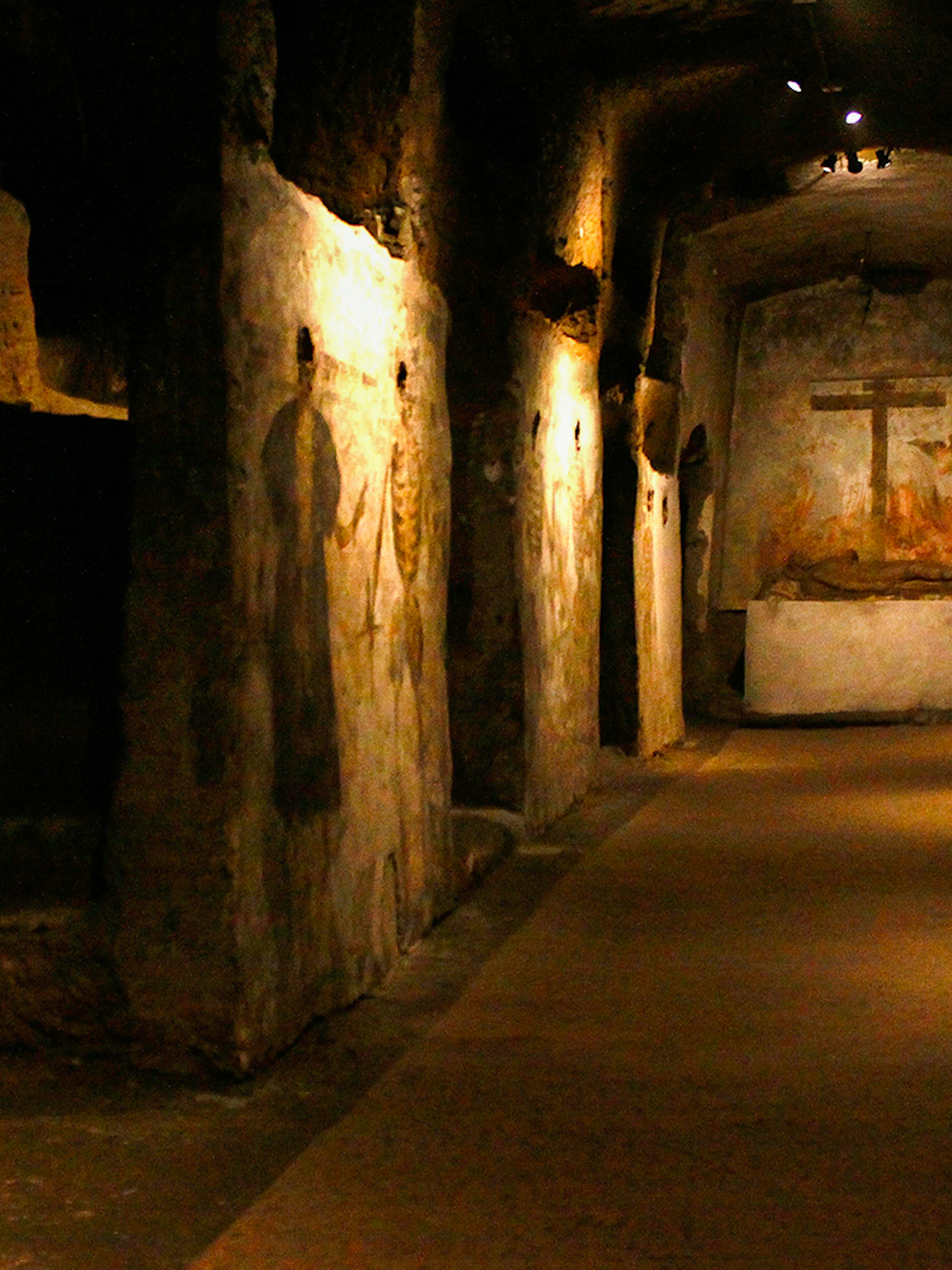
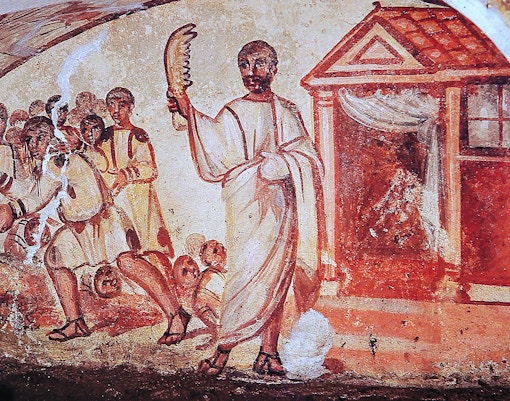
Early Christian frescoes
Admire beautifully preserved frescoes depicting biblical scenes, saints, and early Christian symbols. These artworks offer a glimpse into the spiritual life and artistic traditions of the early Christian community.
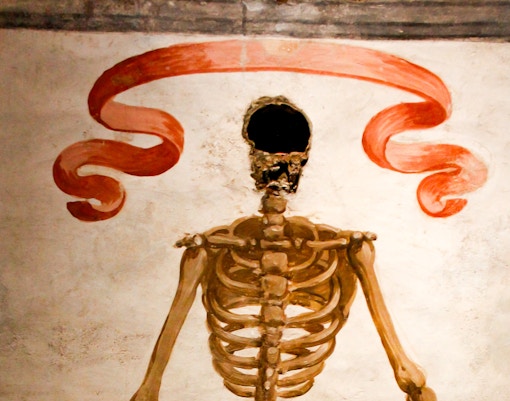
17th-century skull and bones decor
See unique burial traditions where skulls were embedded in the walls, and bodies were depicted in painted frescos below. This reflects the Baroque era's perspective on mortality and resurrection.
Tombs of prominent figures
Visit burial niches and sarcophagi of notable early Christians and aristocrats, including the resting place of San Gaudioso, a 5th-century Tunisian bishop who gave the catacombs their name.
Ancient underground basilica
Explore the small underground basilica with its altar and intricately carved spaces for prayer, reflecting the early Christian community’s religious practices.
Tuff stone architecture
Observe the impressive use of volcanic tuff stone, which makes up the structure of the catacombs, showcasing the ingenuity of ancient builders.
Symbolic Christian iconography
Discover symbols such as fish, doves, and chi-rho, which were used by early Christians to convey messages of faith in a covert manner during periods of persecution.
What to see inside the Catacombs of San Gennaro?

The Crypt of the Bishops
A richly decorated space where several early bishops of Naples were buried. It features intricate frescoes and mosaics dating back to the 5th and 6th centuries, depicting biblical scenes and early Christian art.
The Basilica of Sant'Aggripino
This large underground basilica is a central highlight of the lower layer of the Catacombs, showcasing spacious halls with impressive columns carved directly from volcanic tuff stone. It served as a place of gathering and fellowship, and is still used for mass!
The Tomb of San Gennaro
While the city’s main patron Saint Gennaro’s relics were moved in later centuries, his original burial site remains a focal point, revered for its spiritual and historical significance.
Early Christian frescoes
The walls of the catacombs are full of beautifully preserved frescoes, including depictions of saints like Pascientus, fish (a symbol of Christ), and other Christian motifs dating back to the 2nd century AD.
The Baptismal Font
The grand lower vestibule, with towering 6-meter-high ceilings, features a striking baptismal font commissioned by Bishop Paul II, who sought refuge in the Catacombs of San Gennaro during the 8th-century iconoclastic clashes.
The Lower Catacombs
A labyrinth of burial niches and galleries on another level showcasing the scale and depth of these ancient burial chambers.
The Bishop's Chair
A carved stone chair, likely used by bishops during ceremonies held in the underground basilica, symbolizing the authority of the early Church in Naples.
Plan your visit to Naples' Catacombs

How to reach
Catacombs of San Gennaro
🚌By bus: Take lines 168, 178, C63, or R4 and alight at the Basilica Incoronata - Catacombe San Gennaro stop.
🚇By metro: Take Metro Line 1 to the Materdei station. From there, it's about a 15-minute walk to the catacombs.
Catacombs of San Gaudioso
🚌By bus: Take lines C51, C52, or 204 and alight at Amedeo Di Savoia 180. Buses run every 10 minutes daily.
🚇By metro: Take Metro Line 1 to the Materdei station. From there, it's about a 10-minute walk to the catacombs.

Visitor tips
- The Catacombs can be quieter in the morning, giving you a more serene and immersive experience without the crowds.
- Don’t be afraid to ask your guide questions to gain a deeper understanding of Naples' rich history and the role of Christianity in shaping the city's cultural heritage.
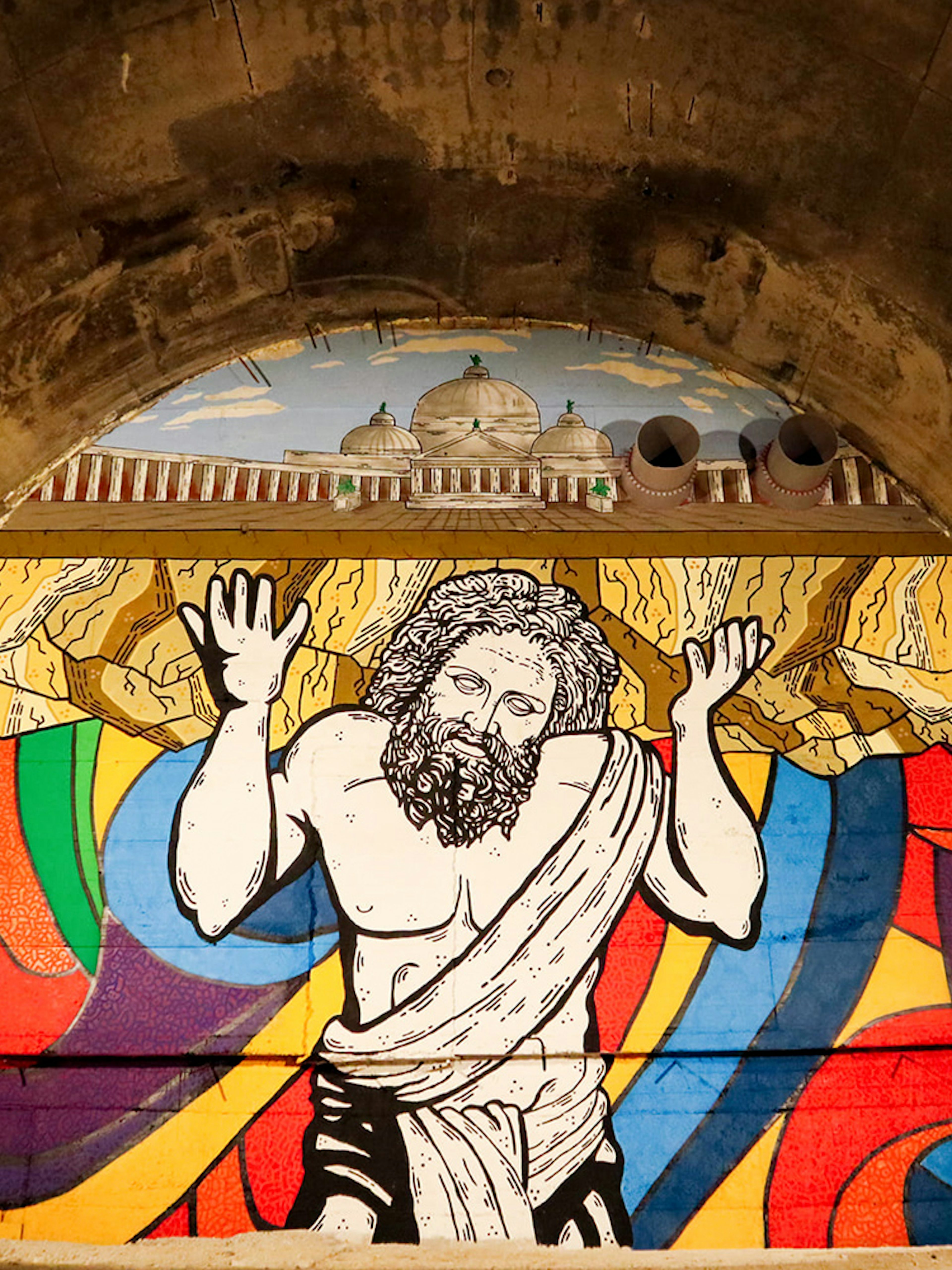
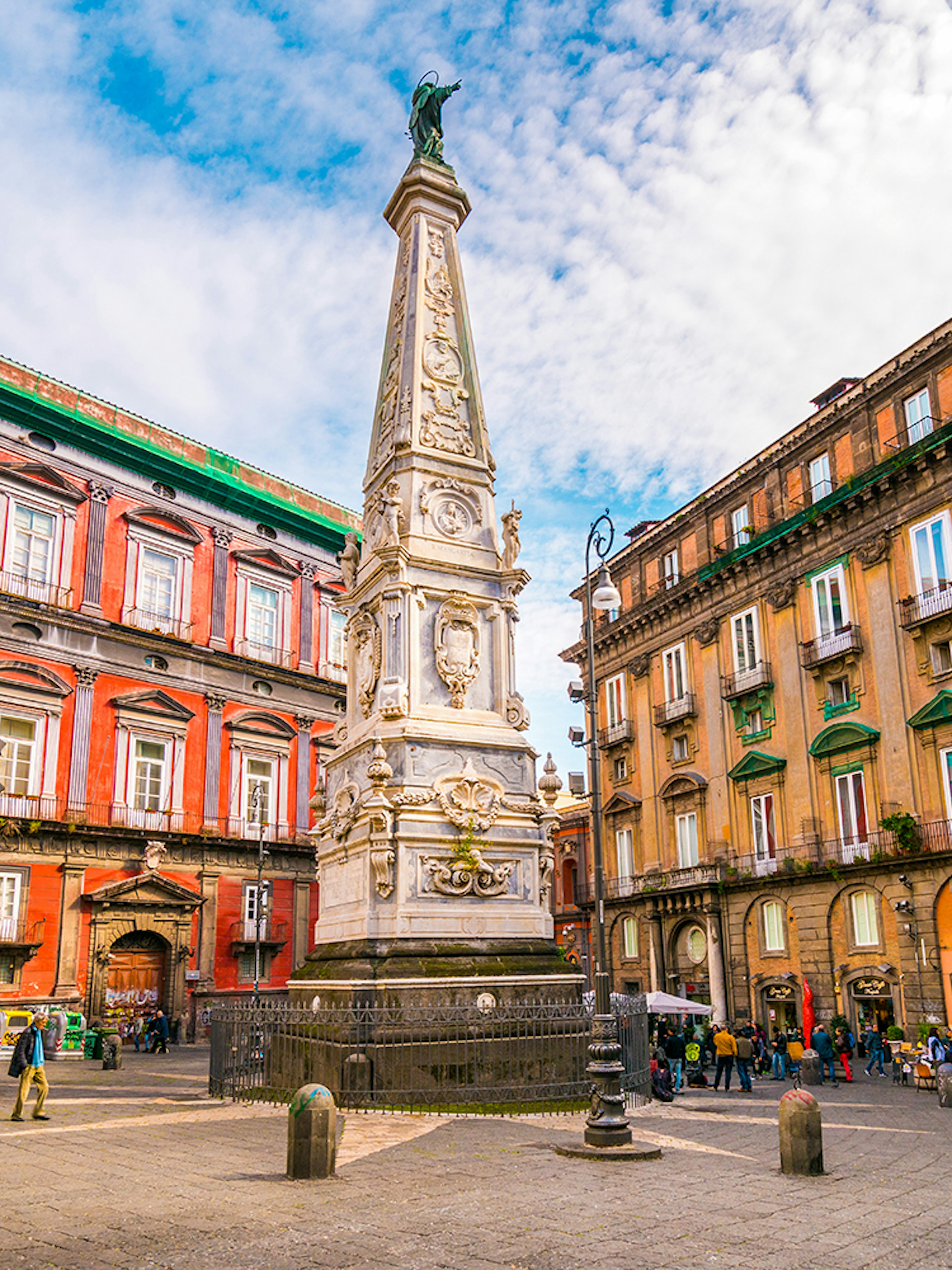
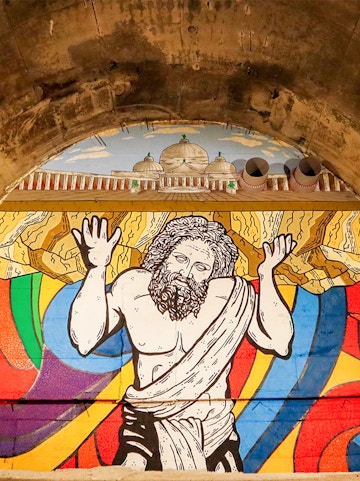
- After visiting the Catacombs of San Gennaro, explore the nearby Capodimonte Museum and Park. From San Gaudioso, wander through the vibrant Sanità District, known for its street art and local food.
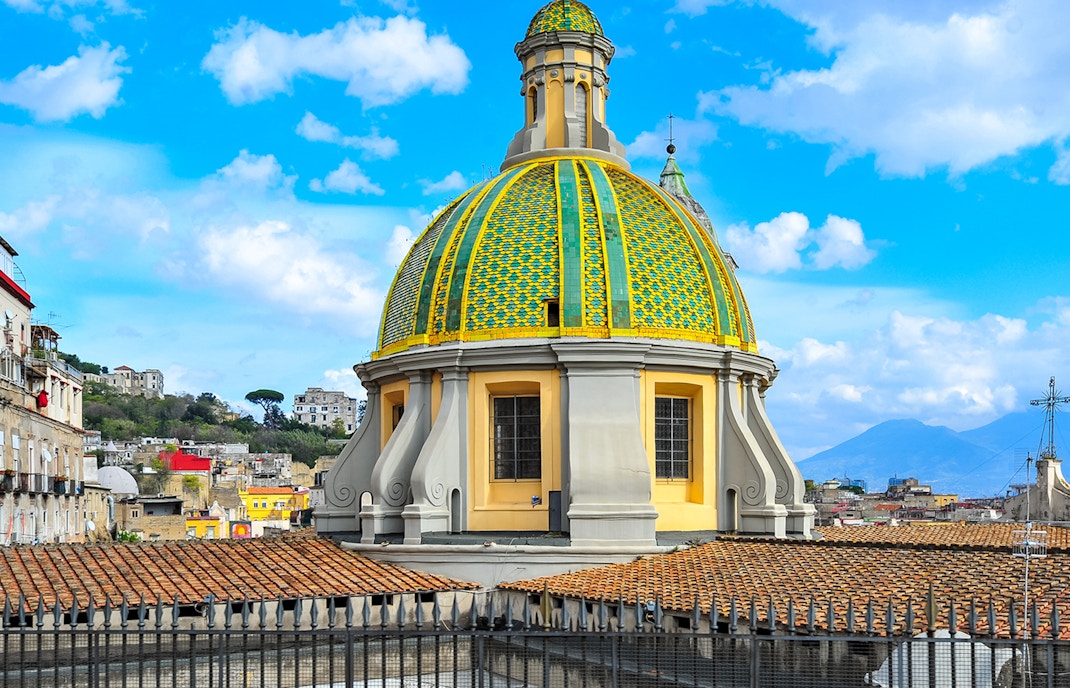
- Spend some time exploring the Basilicas where you enter the Catacombs – Basilica Santa Maria della Sanità above San Gaudioso, and Madre del Buon Consiglio Basilica of San Gennaro.
How to enter?

San Gaudioso Catacombs
Via Sanità, 123, 80136 Napoli NA, Italy [find on maps]
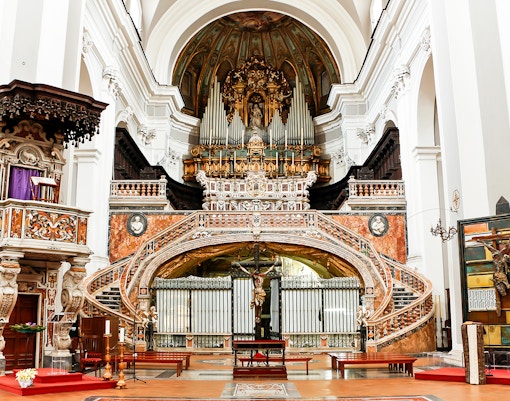
The entrance is beneath the high altar inside the Basilica Santa Maria della Sanità.

San Gennaro Catacombs
Via Capodimonte, 13, 80100 Napoli NA, Italy [find on maps]
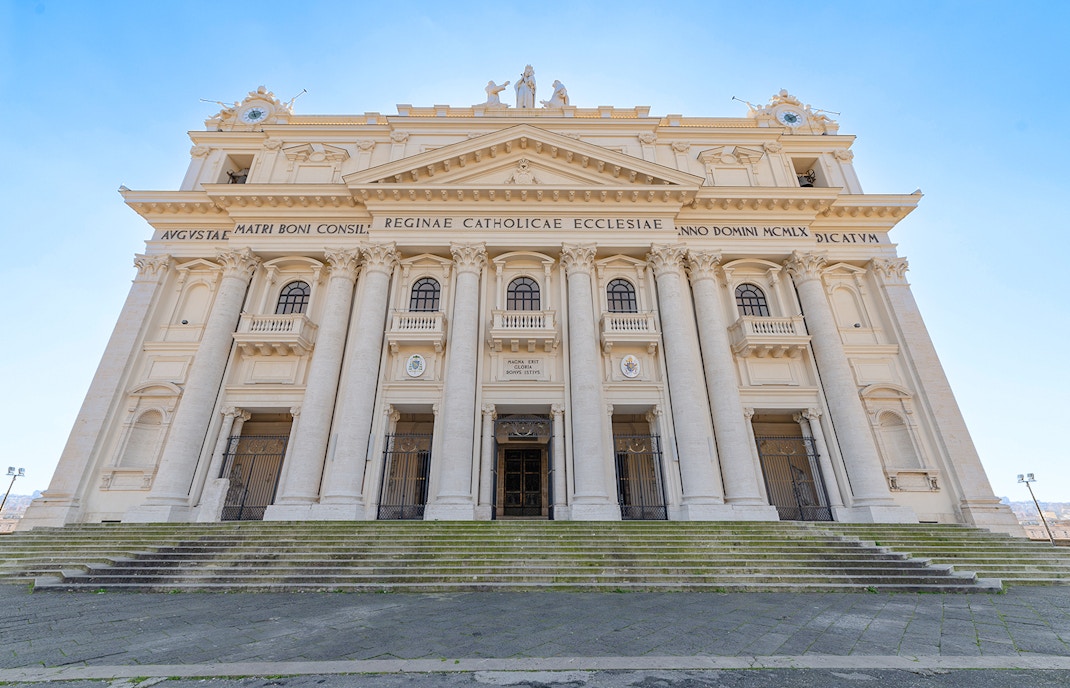
The main entrance is in the Madre del Buon Consiglio Basilica. Street-level access is at Vicoletto S. Gennaro dei Poveri, 22.
Frequently asked questions about the Catacombs of Naples
The Catacombs of Naples are ancient underground burial sites carved into volcanic tuff stone. Early Christians used them for burials and as places of worship during periods of persecution.
The two main catacombs are the Catacombs of San Gennaro and the Catacombs of San Gaudioso, both rich in early Christian art, history, and architecture. San Gennaro lies near the Capodimonte area, close to the Basilica of Good Shepherd. San Gaudioso sits beneath the Basilica of Santa Maria della Sanità in the Sanità district.
The Catacombs date back to the 2nd and 3rd centuries AD, with expansions and modifications continuing through the early Christian and medieval periods.
A guided tour typically lasts about 45–60 minutes, after which you can explore by yourself. Depending on your pace and interest, combined tickets for multiple sites may take longer.
The Catacombs of San Gennaro feature vast open spaces, early Christian frescoes, and the Crypt of the Bishops, making them the largest and most significant underground burial site in Naples.
The San Gaudioso Catacombs combine early Christian burials with unique 17th-century Baroque elements, including skull-and-bones wall decor and frescoes that reflect Neapolitan funerary traditions.
Yes, the catacombs are safe for visitors. Tours are guided, and pathways are well-lit and maintained. While generally suitable due to the wide spaces, those with claustrophobia should be mindful of the enclosed sections.
Due to the number of steps and uneven terrain, the catacombs are not fully accessible for visitors using wheelchairs or strollers.
Yes, the Catacombs of San Gennaro and the Catacombs of San Gaudioso are part of a larger network of underground sites in the Rione Sanità. This area was once a necropolis and burial ground, called "Sanità" (health) in the 17th century. There are nine catacombs and cave complexes under the Rione Sanità, including San Severo and the Fontanelle ossuary. There are separate entrances for these other sites.
Kids are welcome. However some young children may find the site disturbing, so it is important that their guardian make the judgement and accompany them at all times.
While you can purchase tickets on-site, it is recommended to book online to avoid long queues and secure your preferred tour time. Tickets often include access to both San Gennaro and San Gaudioso.
Photography is allowed in some areas but restricted in others, so check the rules before snapping. If permitted, a phone or camera with a low-light setting will help capture the beauty of the frescoes and architecture.