Museo Di Capodimonte

Palace of Capodimonte — Home to Famed Museo di Capodimonte

Included with Museo Di Capodimonte tickets

Timings

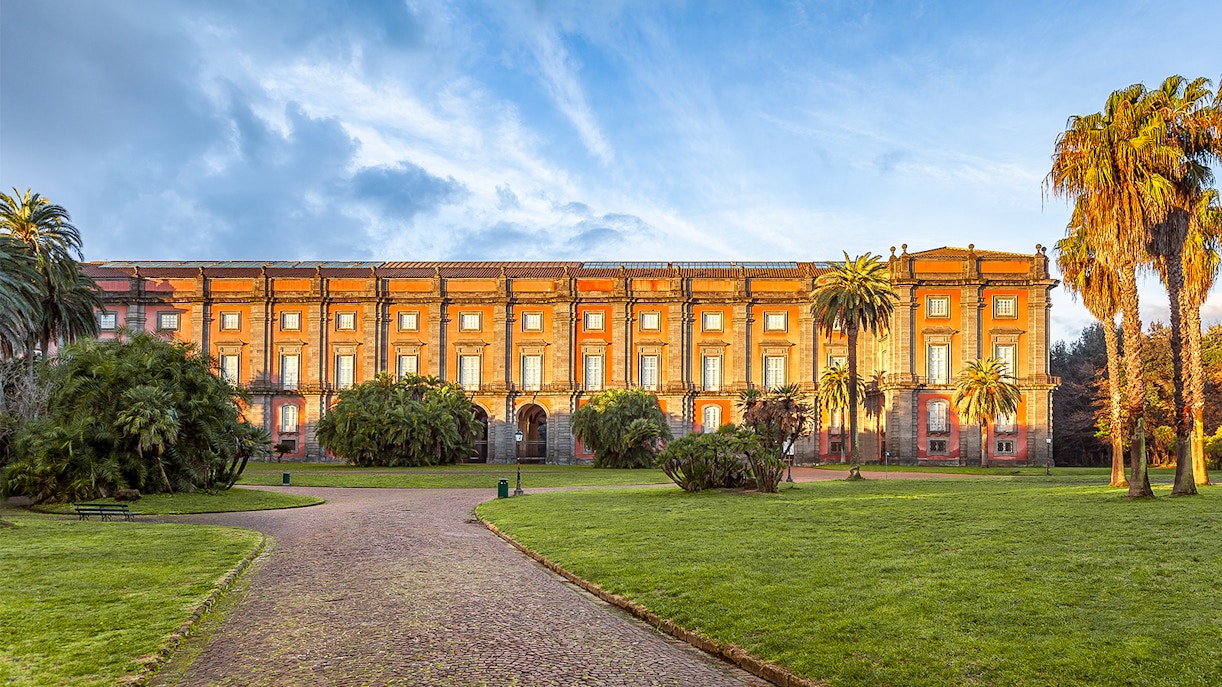
Palace of Capodimonte during evening

What is Palace of Capodimonte?

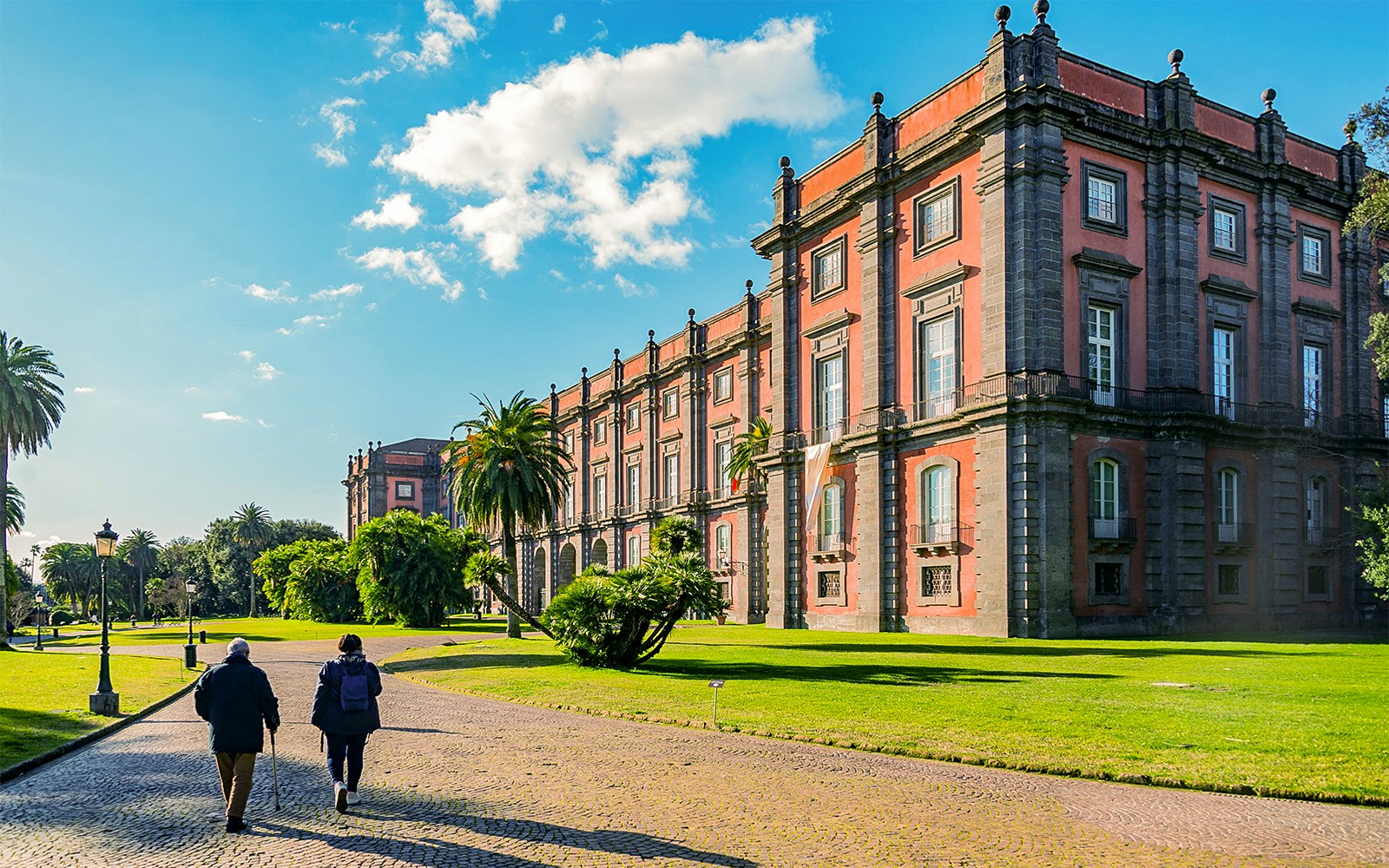
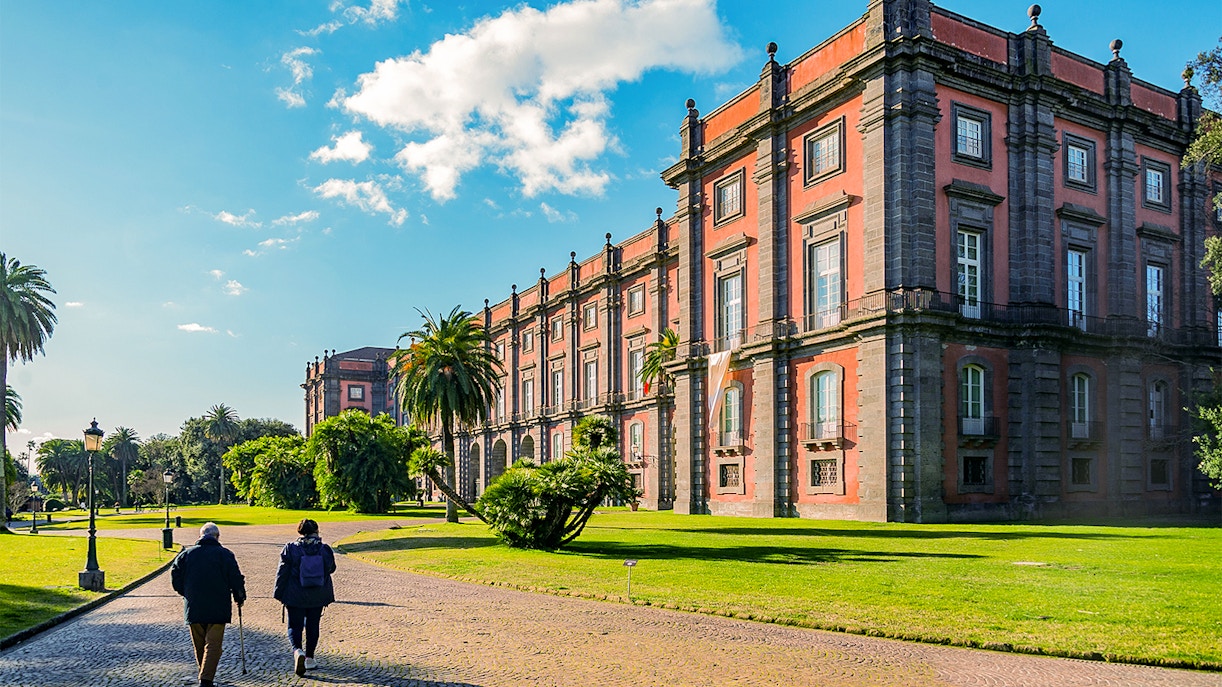
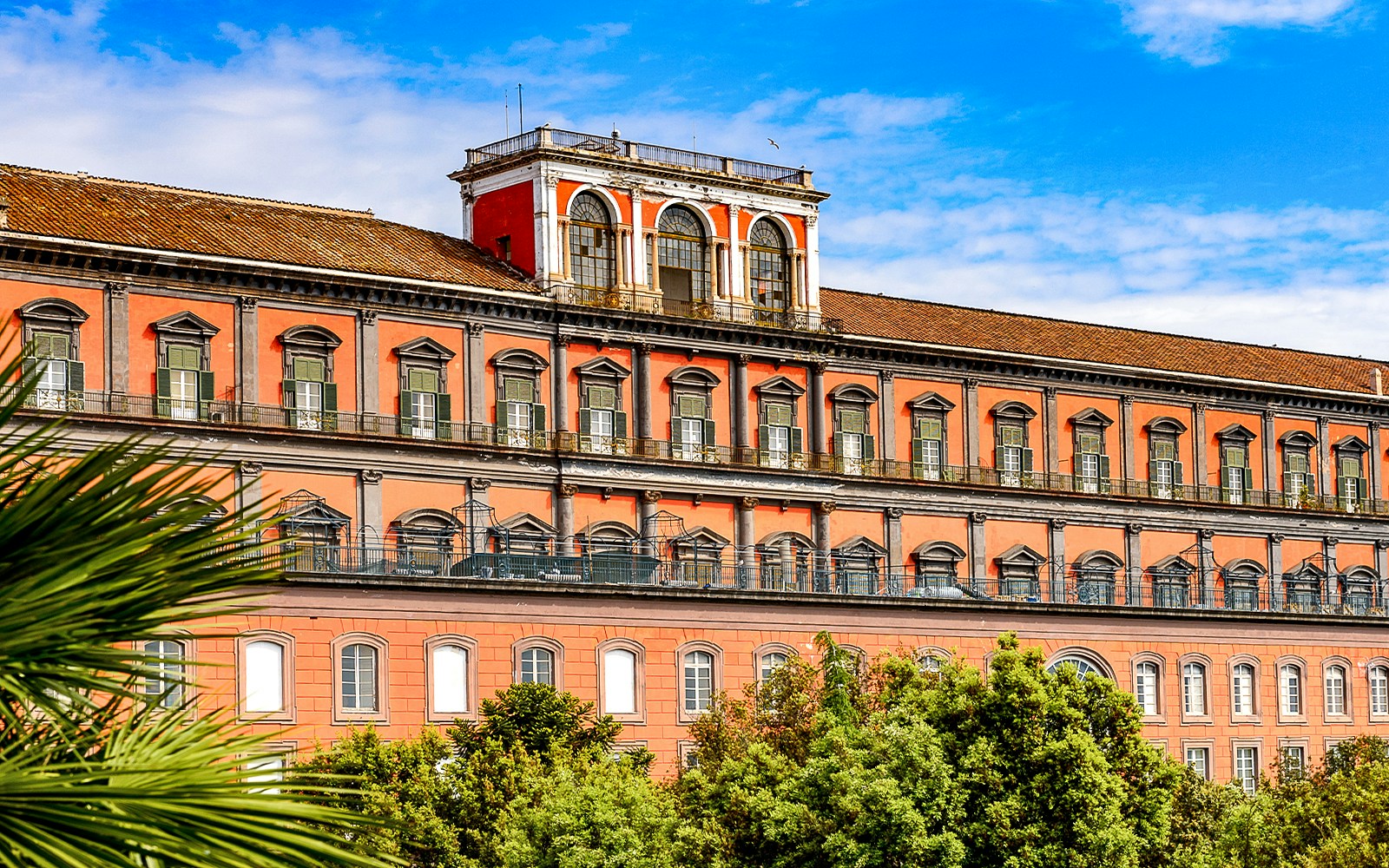
The Palace of Capodimonte, located in Naples, is a historic monument and home to the Museo di Capodimonte. Constructed in 1738 as a royal hunting lodge, the palace showcases Italian Baroque and Neoclassical architecture. The museum features an extensive collection of Italian and European art from the 13th to the 20th century. The palace is also surrounded by the Real Bosco di Capodimonte, an English-style garden with rich flora & sculptures. It is now a part of the UNESCO World Heritage Site.

Palace of Capodimonte Quick Facts

Palace of Capodimonte

Official name: Reggia di Capodimonte

Address: Via Miano 2, 80132 Naples, Italy Find on Map

Date of opening: 1758

Timings: 8:30 AM to 7:30 PM (Wednesday closed)

Architects: Antonio Canevari, Giovanni Antonio Medrano, Ferdinando Fuga, Antonio Niccolini

Architectural style: Neoclassical

UNESCO World Heritage Site: 1995

Number of visitors per year: Around 100 thousand
Discover the Palace of Capodimonte

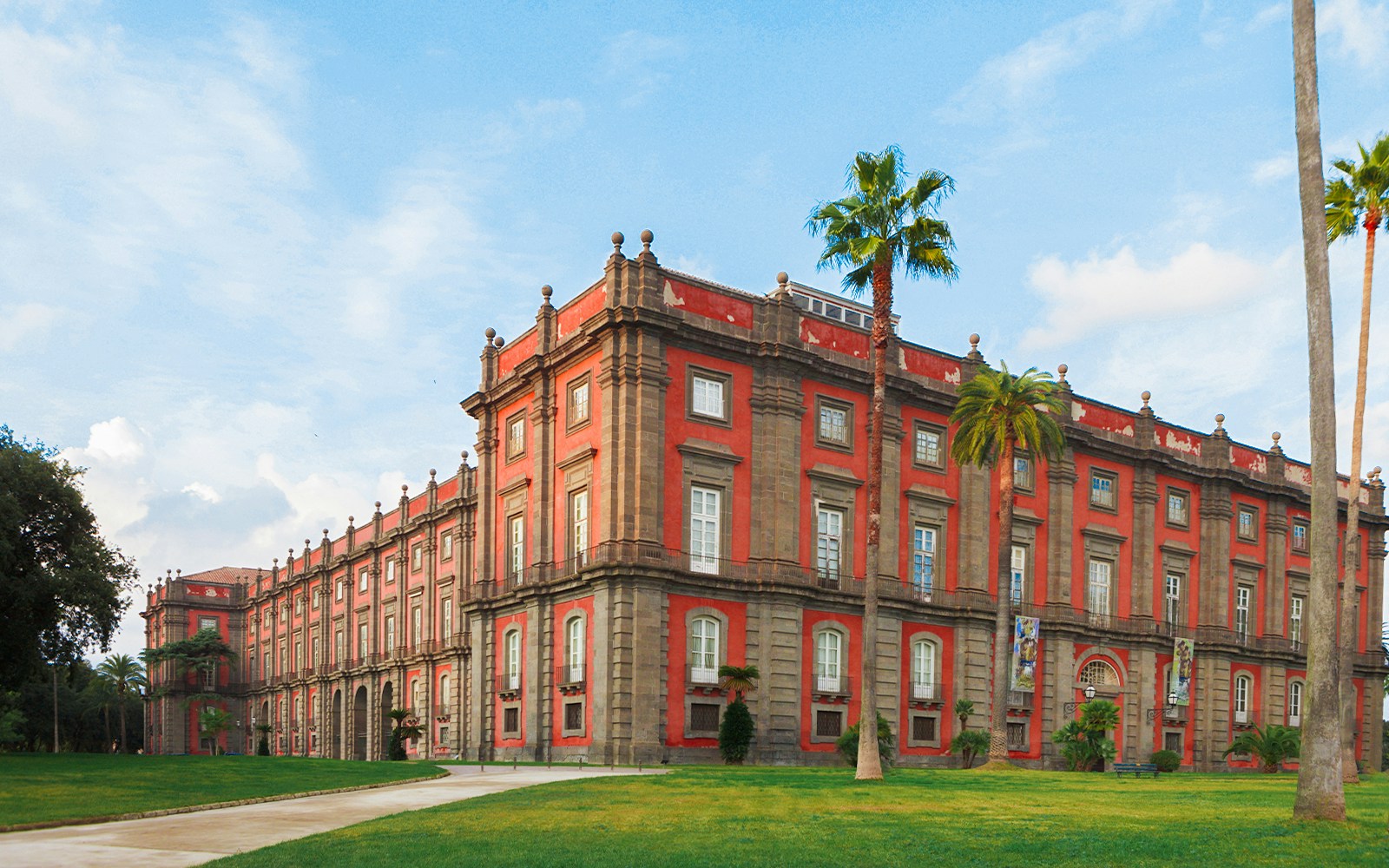
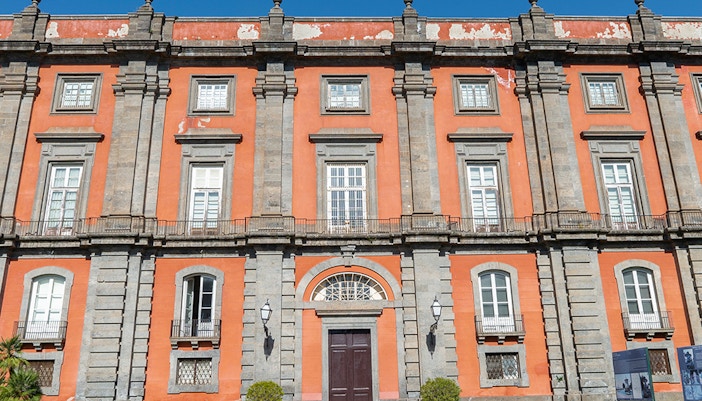
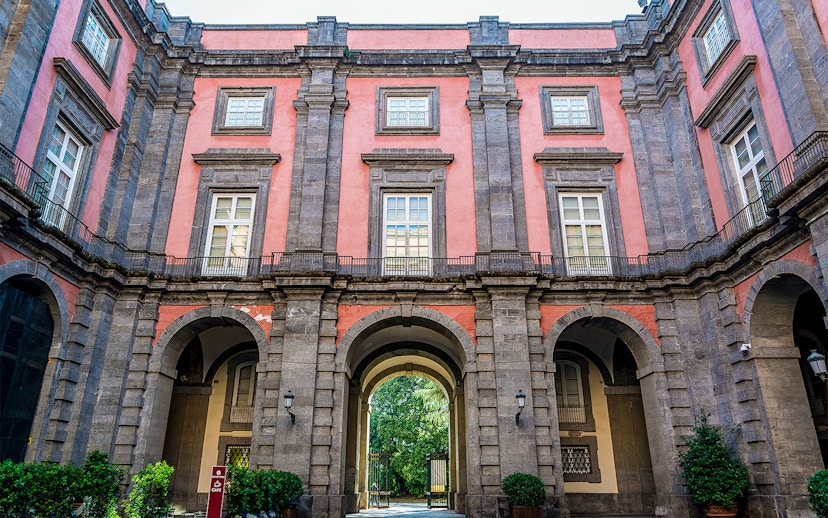
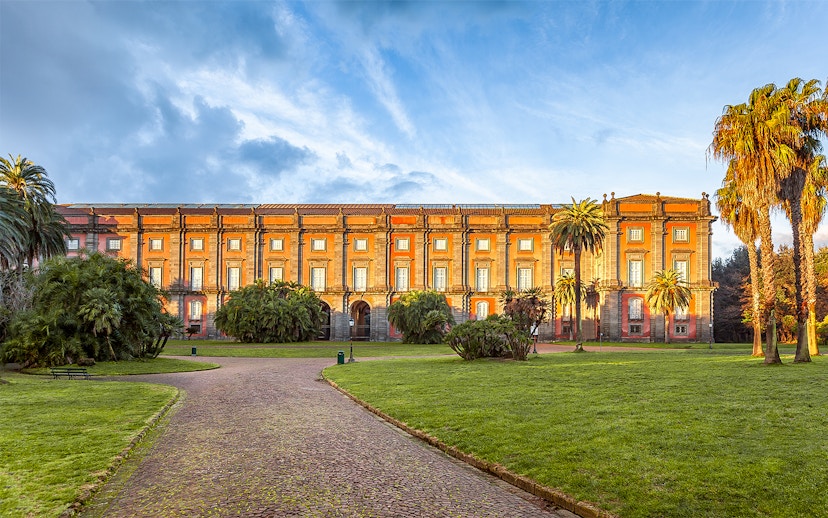
Palace of Capodimonte
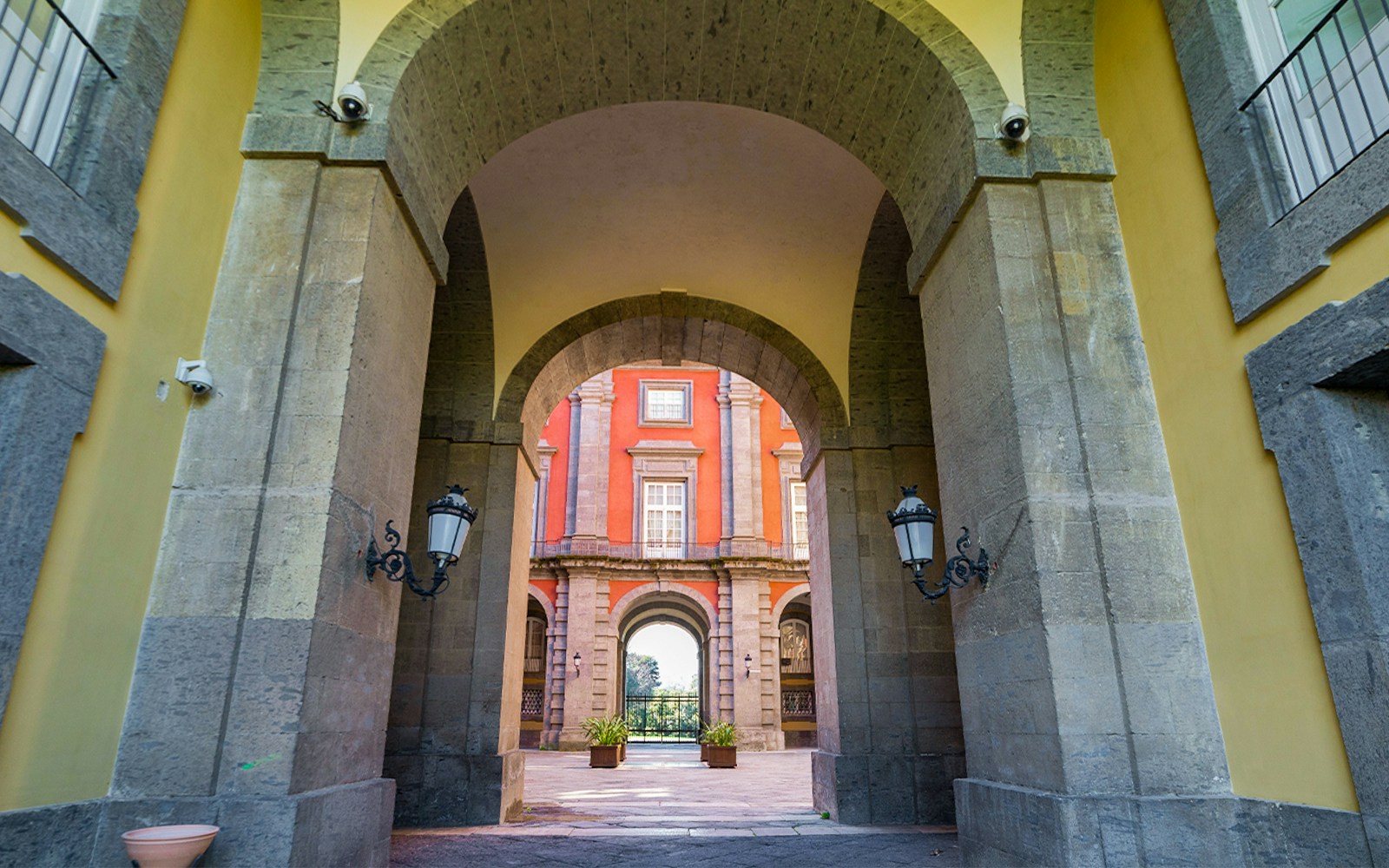
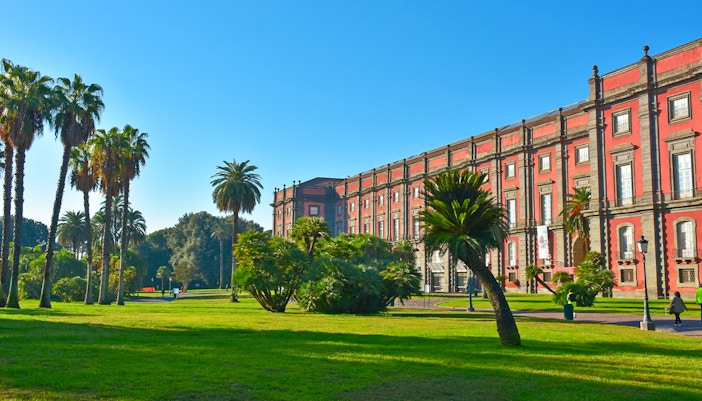
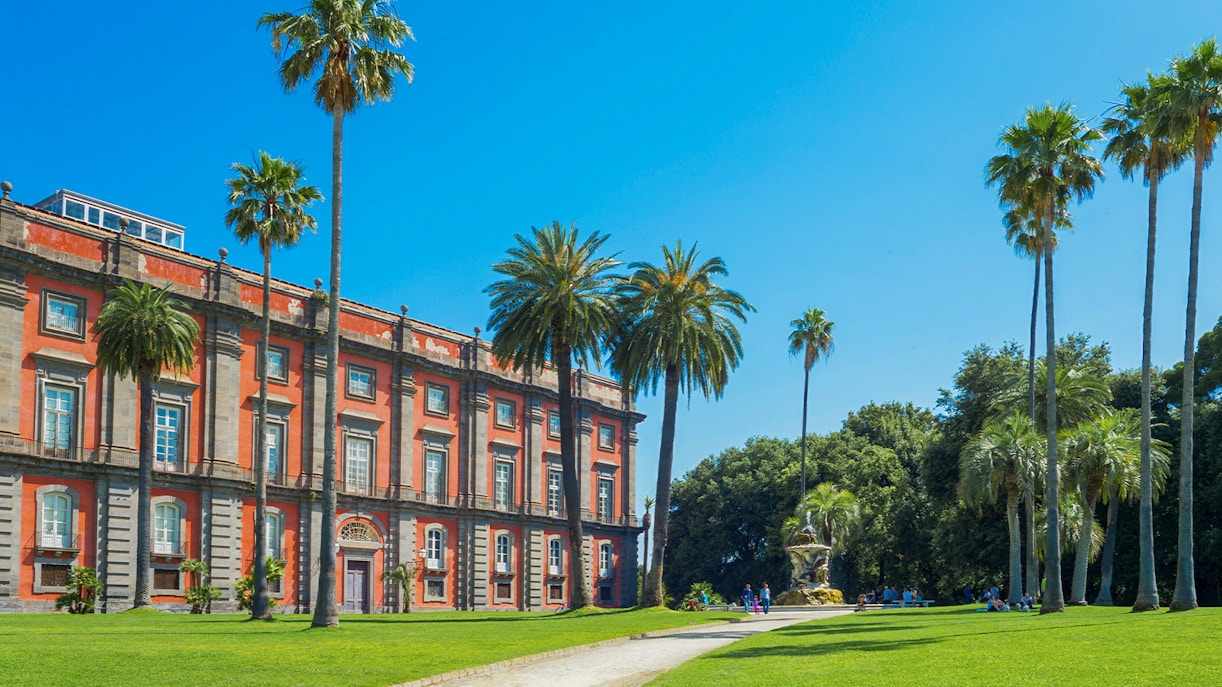
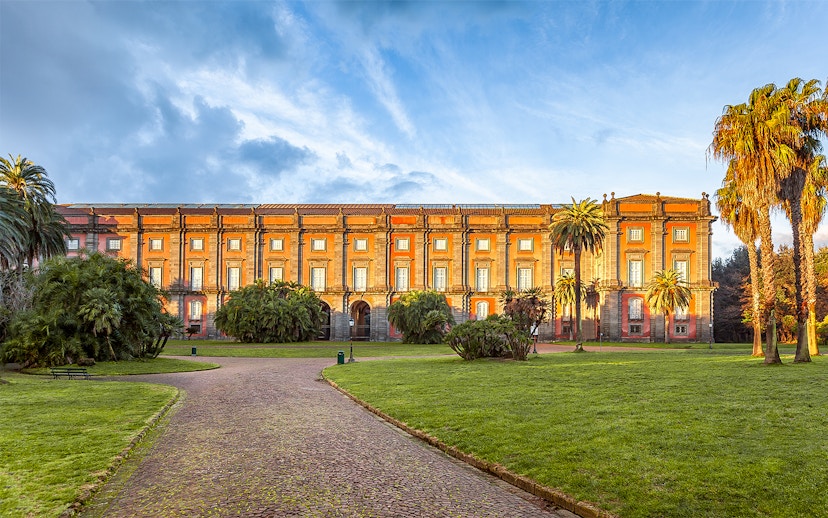
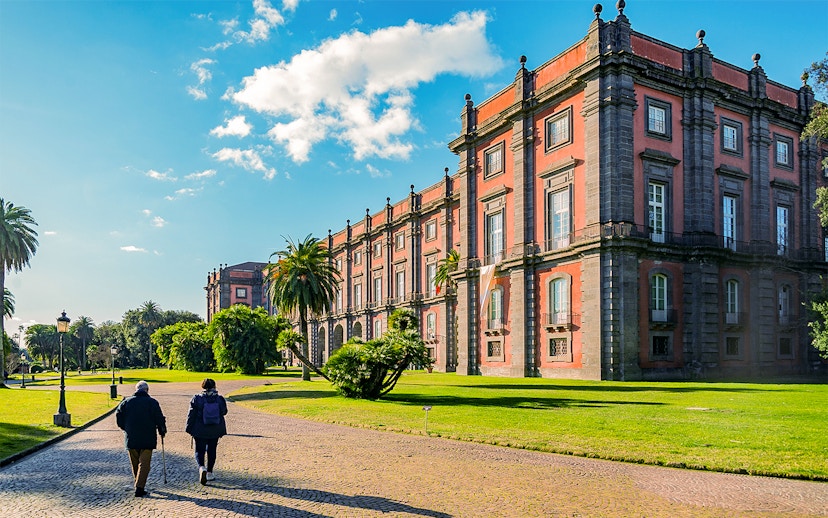
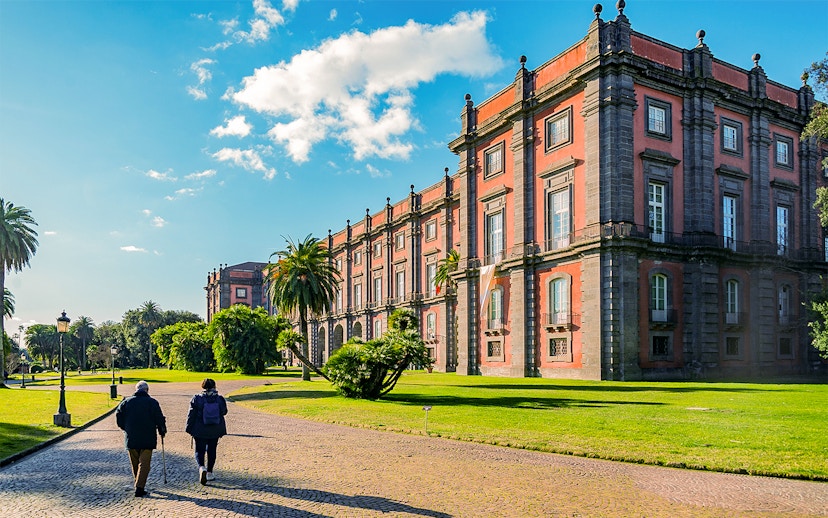
Palace of Capodimonte Garden view
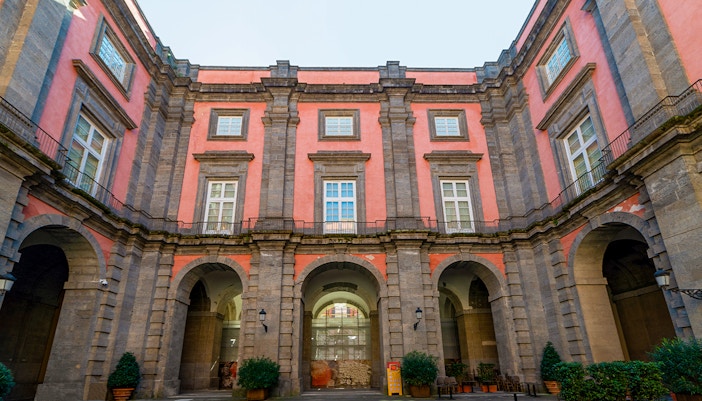
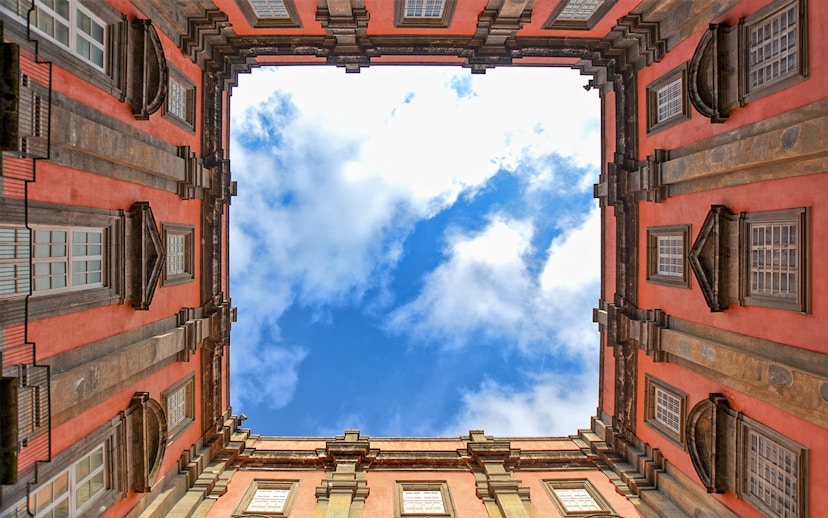
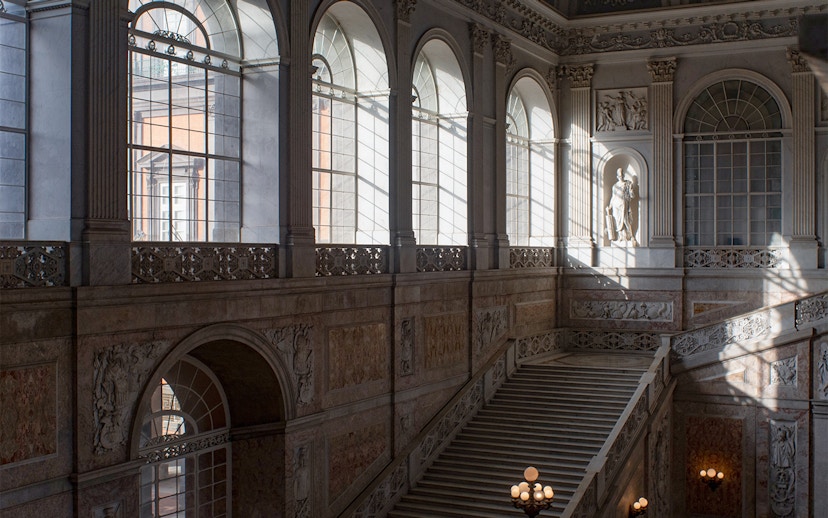
Palace of Capodimonte inside
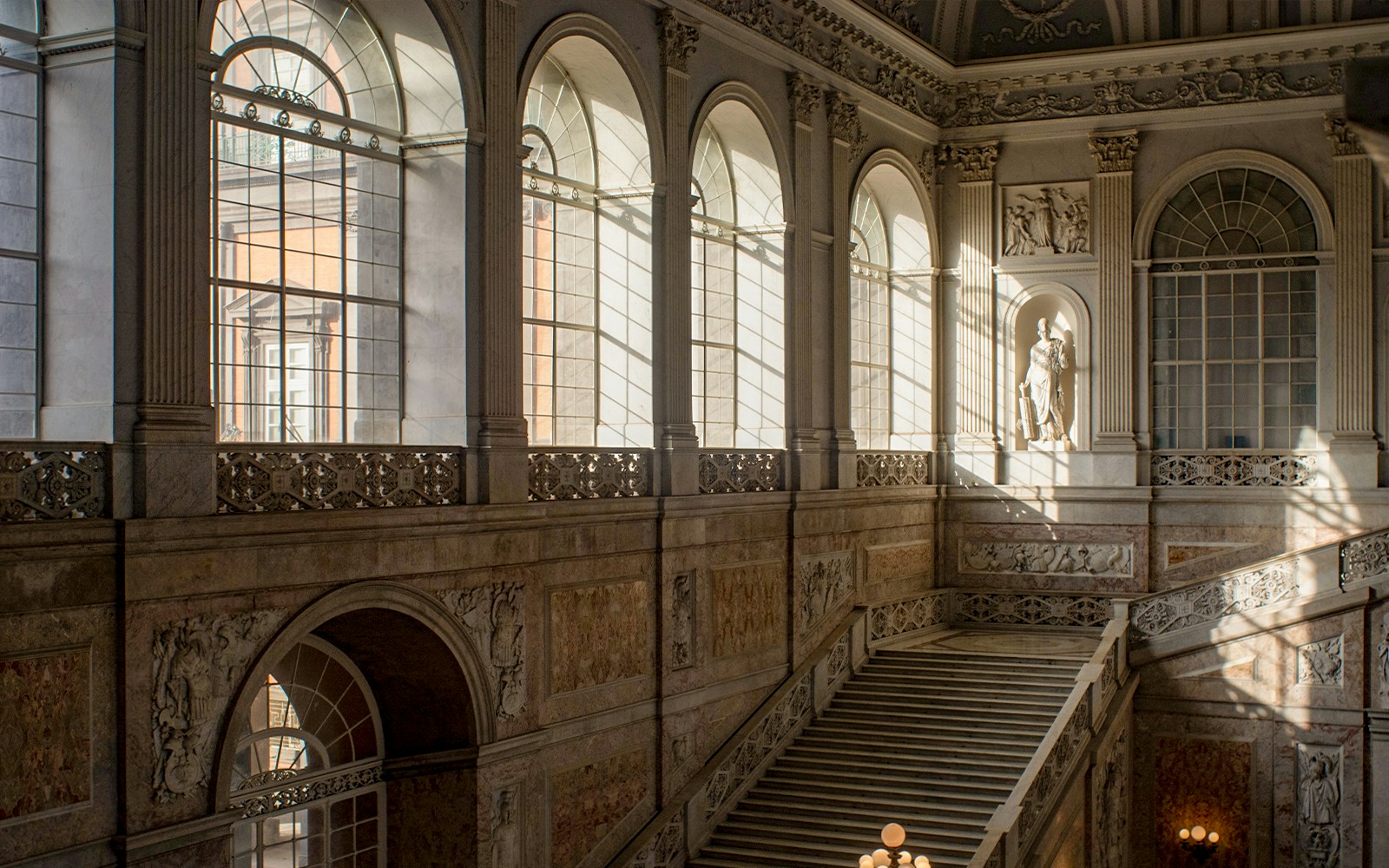
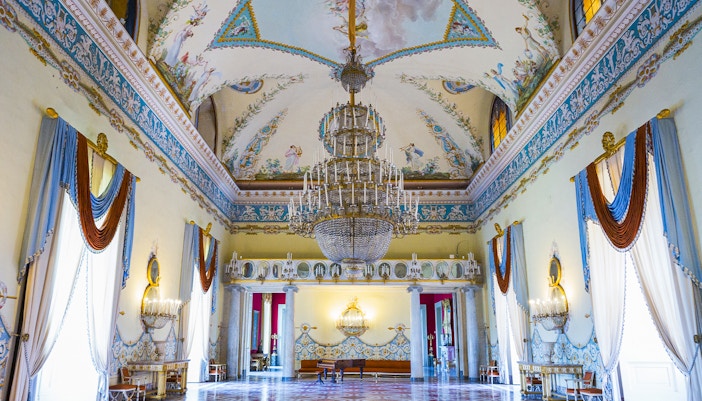
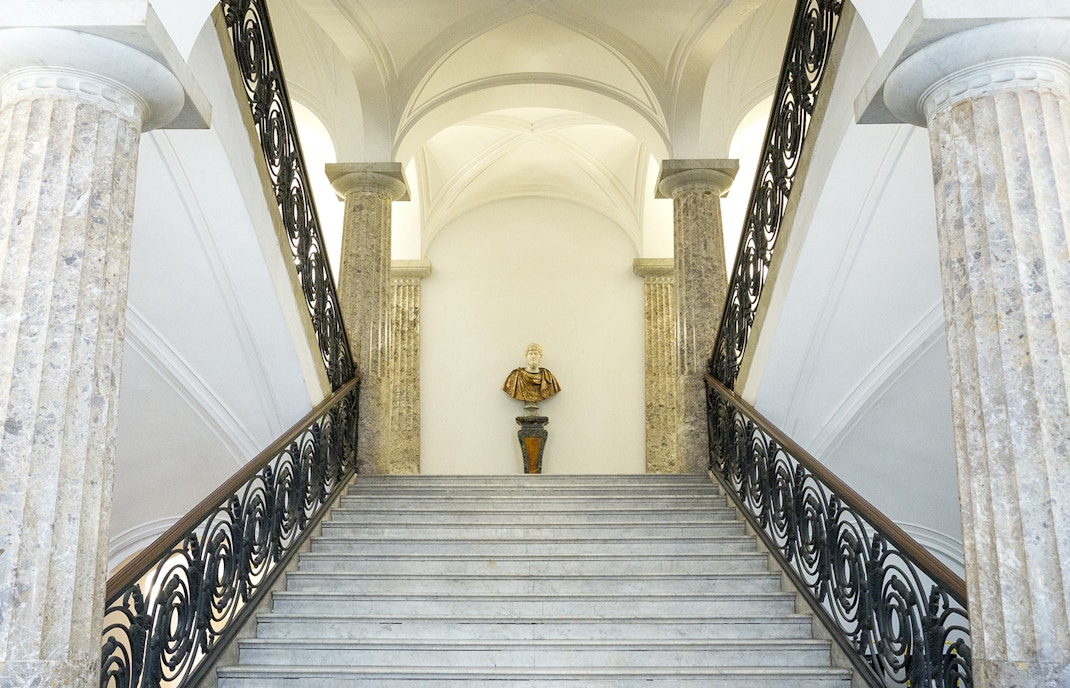
Palace of Capodimonte stairs inside
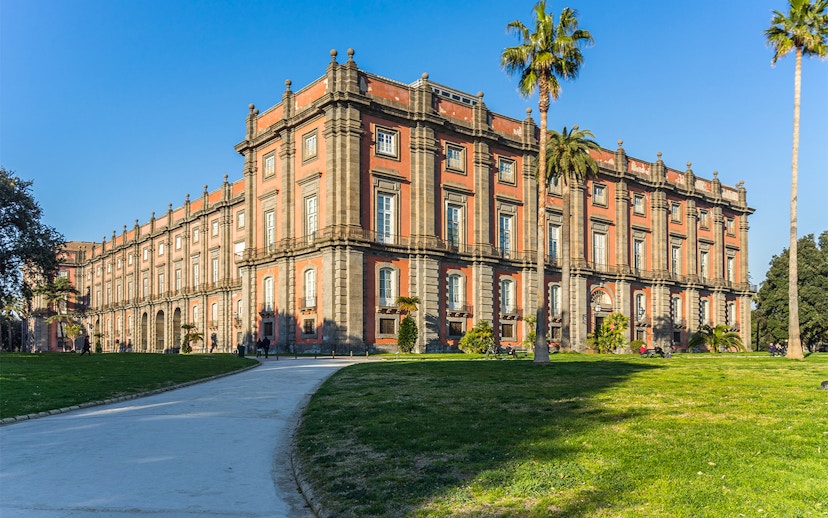
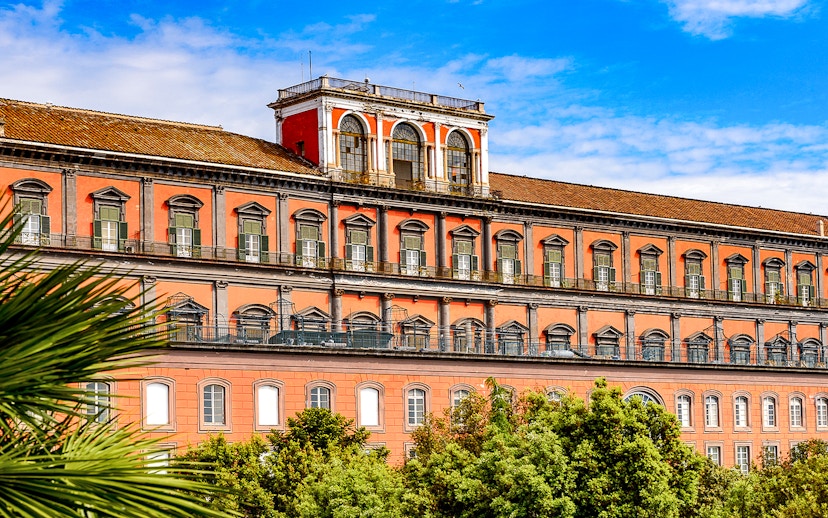
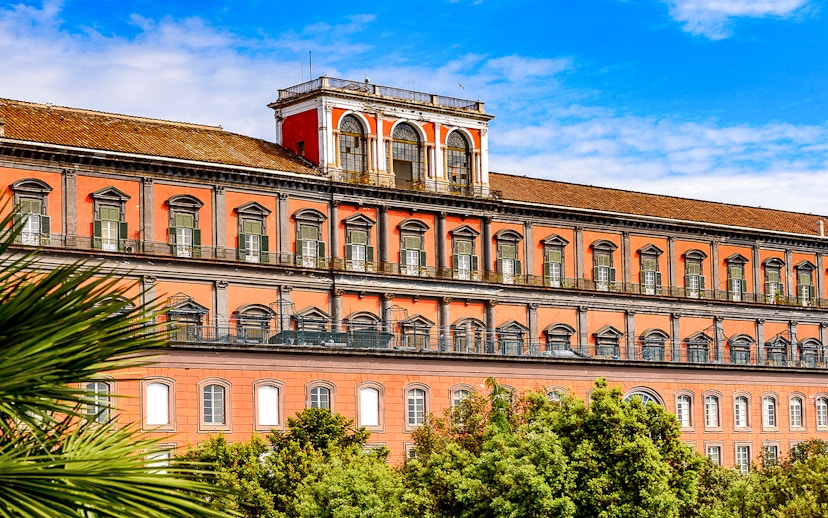
Palace of Capodimonte

Why Visit the Palace of Capodimonte?

Visit the Palace of Capodimonte
  • Artistic treasure trove: The Museo di Capodimonte houses an impressive collection of Italian and European art, providing a comprehensive view of artistic evolution from the 13th to the 20th century.
  • Historic significance: The Palace's history as a royal residence for the Bourbon monarchy offers a glimpse into the historical and political dynamics of the era.

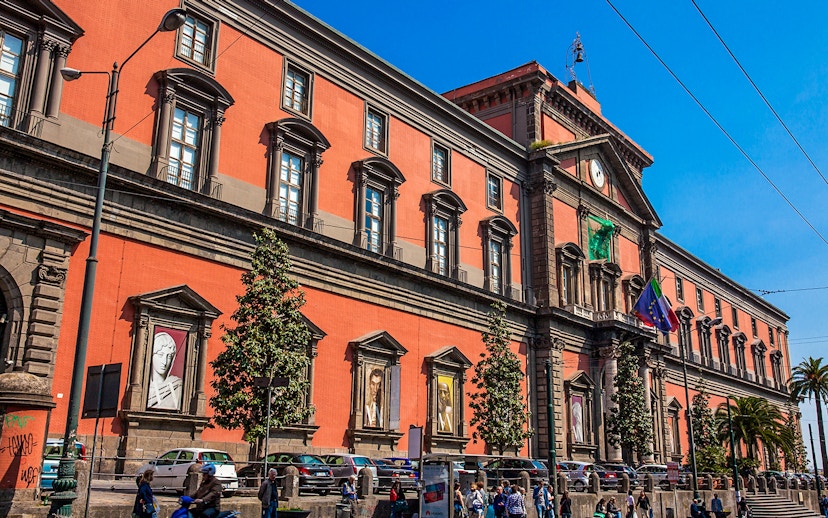
  • Architectural beauty: The Palace showcases Italian Baroque and Neoclassical architecture, making it a must-visit for architecture enthusiasts.
  • Royal apartments: These beautifully decorated rooms offer insights into royal life, showcasing the luxurious lifestyle of the Bourbon monarchy.
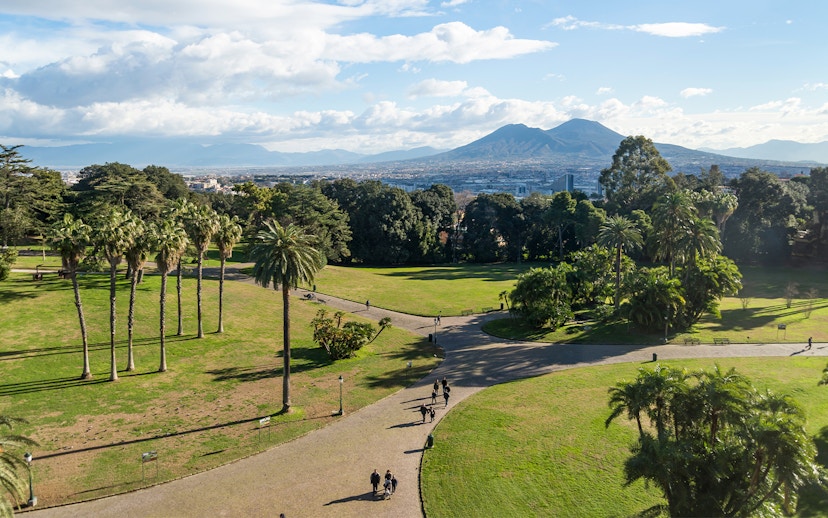
  • Capodimonte Park: This English-style park is home to the rich flora that offers a serene retreat, enhancing the cultural experience with its natural beauty.
  • Collections: The Palace hosts diverse collections, including porcelain, armory, and historic photographs, offering something of interest to every visitor.

What to See at the Palace of Capodimonte?

Capodimonte Museum

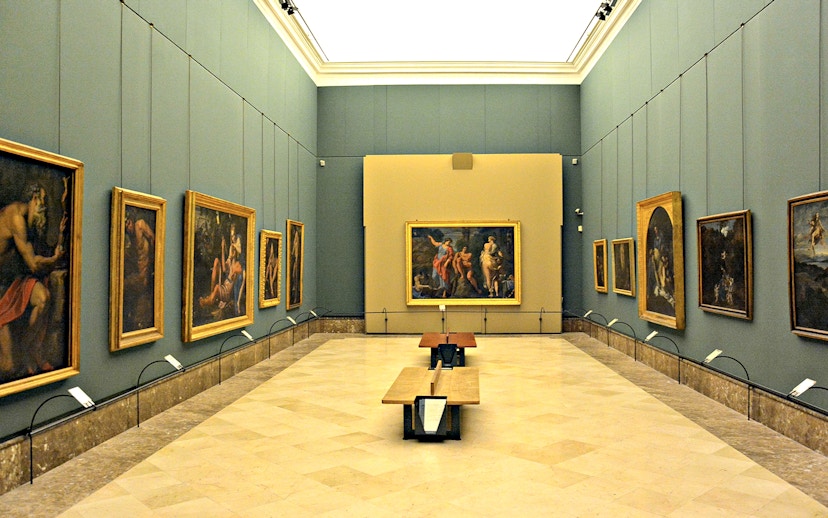
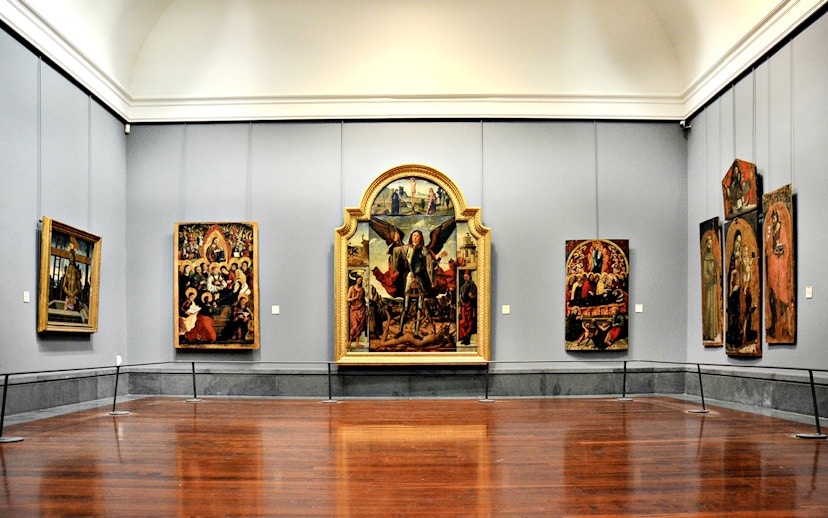
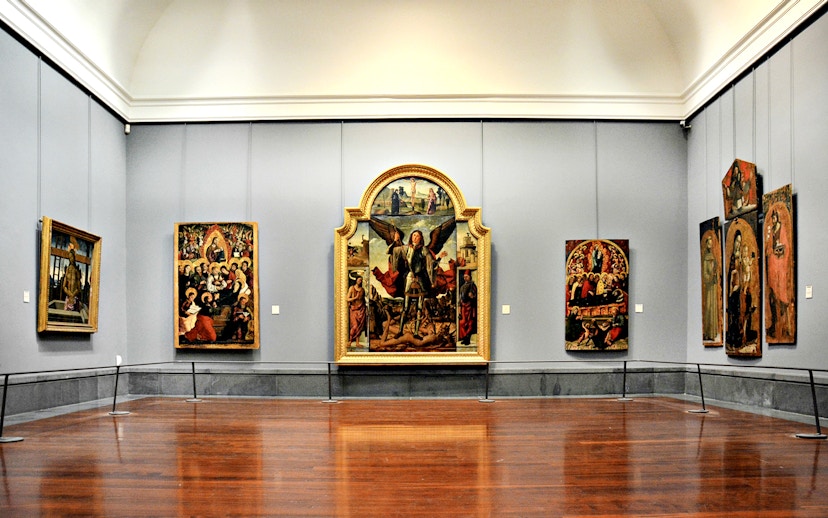
The museum within the Palace of Capodimonte is a treasure trove of Italian and European art. It features an extensive collection ranging from the 13th to the 20th century, including masterpieces by artists like Raphael, Caravaggio, and Michelangelo. Notably, it also houses the esteemed Farnese Collection, a rich ensemble of art and decorative pieces that encapsulate various artistic periods.

Royal Apartments

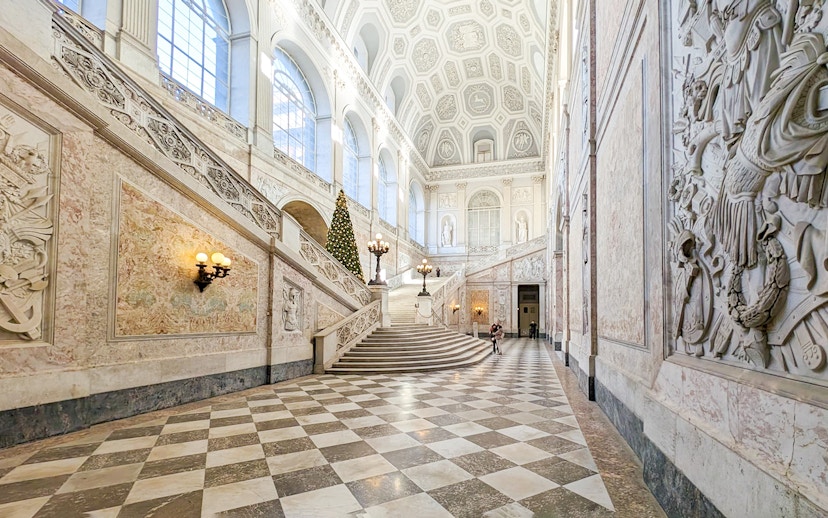
The beautifully preserved Royal Apartments offer an intimate look into the life of the Bourbon monarchy. Each room is richly decorated, showcasing a grand blend of opulence and refined taste. The decorative art, furniture, tapestries, and porcelain in these rooms highlight the aesthetics of the period.

Capodimonte Garden

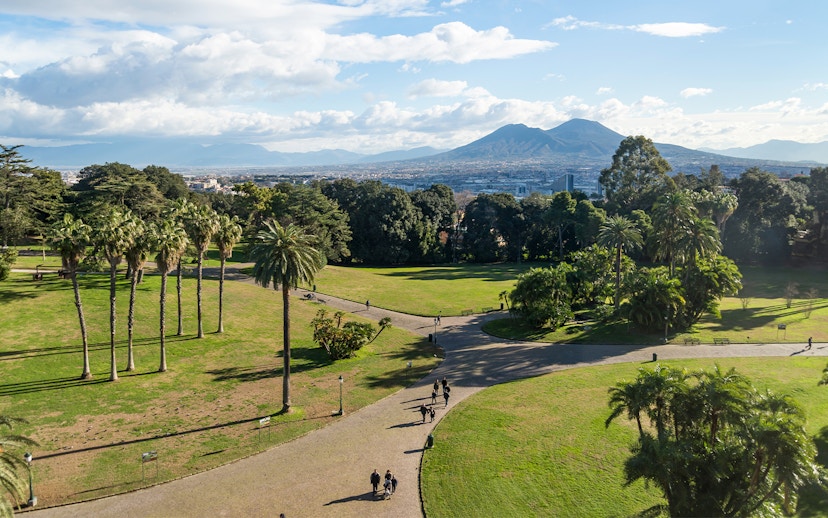
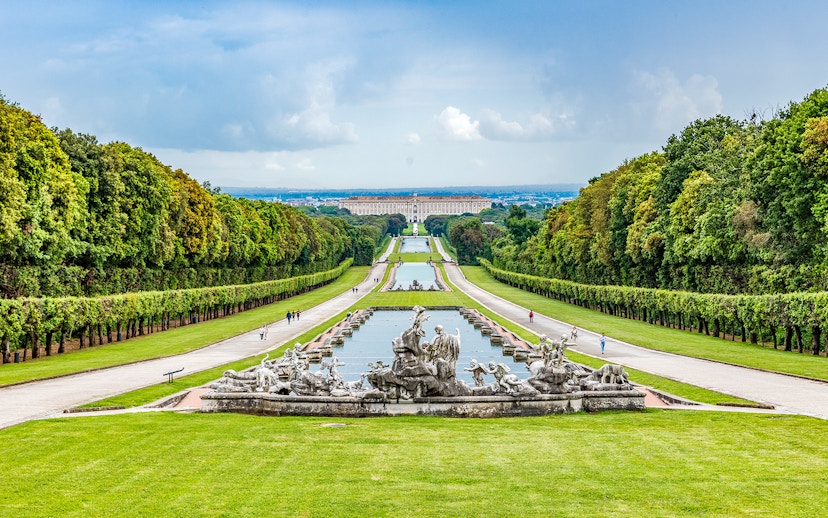
The English-style park surrounding the palace, known as the Real Bosco di Capodimonte, is one of Naples' largest green spaces. It provides a tranquil escape from the city bustle. The park features diverse vegetation, serene walking paths, and intricate sculpture, offering a scenic backdrop to the grand palace.

Porcelain & Armory Collection

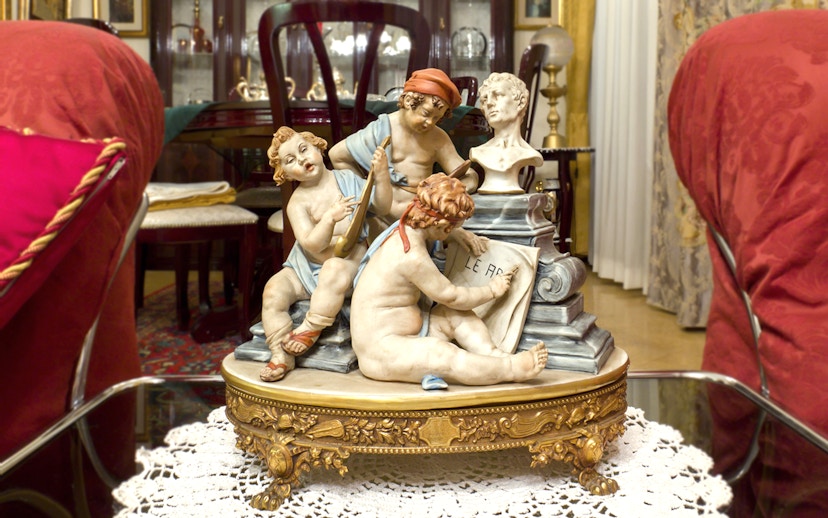
The Palace's collection includes a significant assortment of porcelain items and arms. The porcelain collection contains pieces from renowned manufacturers, including Capodimonte Porcelain, known for its distinctive style. The armory houses an extensive array of weapons and armor, reflecting the military history associated with the palace's original owners.

Historic Photographs & Prints Collection

The museum also holds an impressive collection of historic photographs and prints. This collection offers fascinating insights into the evolution of visual communication and provides a visual chronicle of historical events and social changes.

History of the Palace of Capodimonte

Constructed in 1738, the Palace of Capodimonte was initially a hunting lodge for Charles VII of Naples, later Charles III of Spain. Its construction and subsequent expansions encapsulate the shifting aesthetics and politics of the time. Over the centuries, it transformed into a royal residence, exhibiting the Bourbon monarchy's grandeur. Today, it houses the Museo di Capodimonte, preserving Italian art history with collections ranging from the 13th to the 20th century, making it a significant historical and cultural landmark in Naples.

Architecture of the Palace of Capodimonte

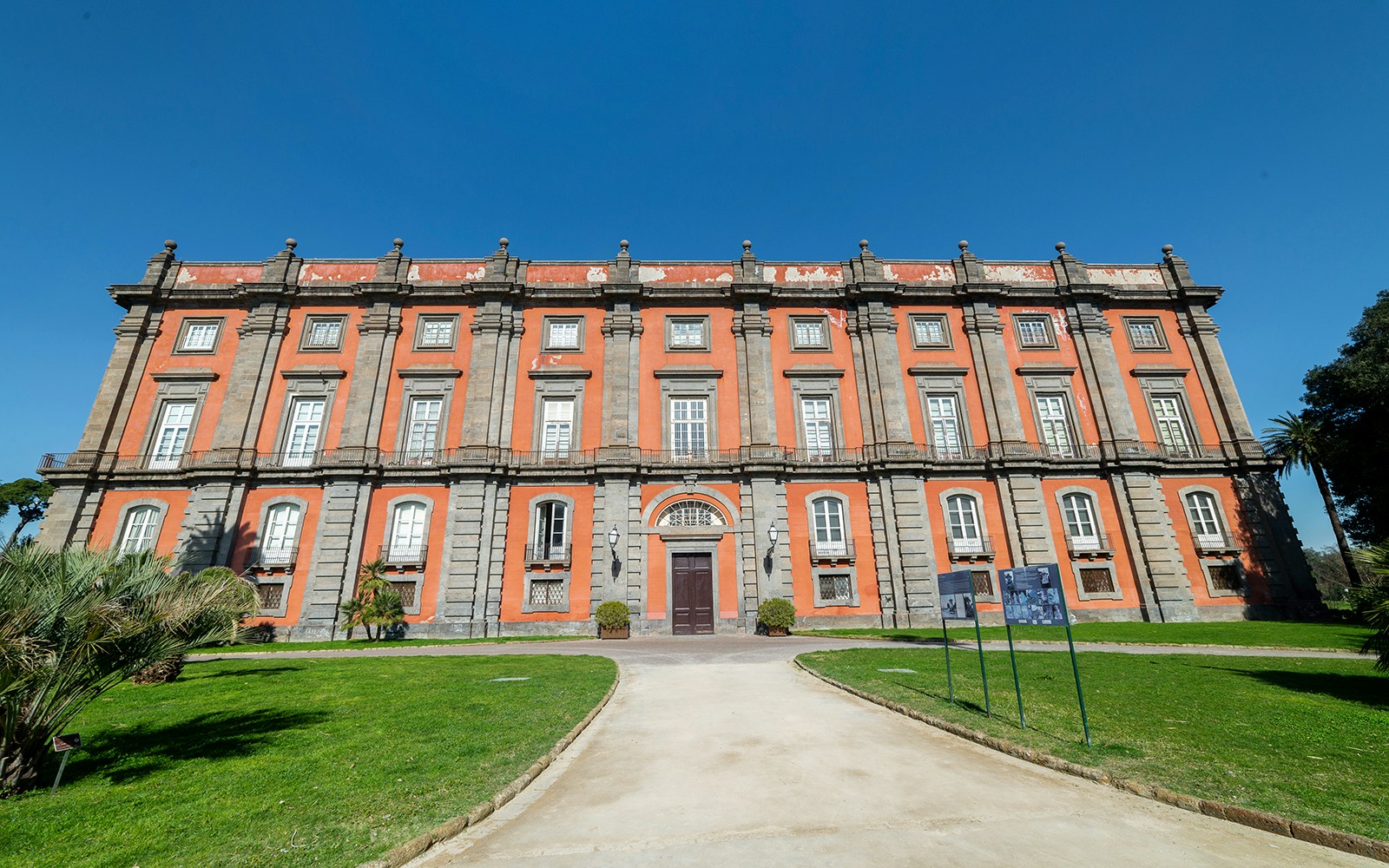
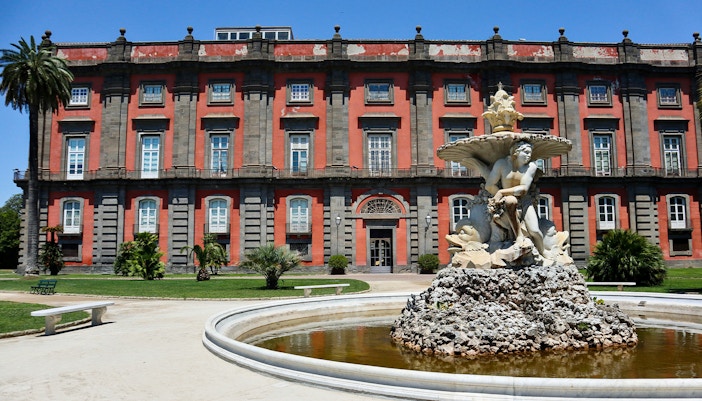
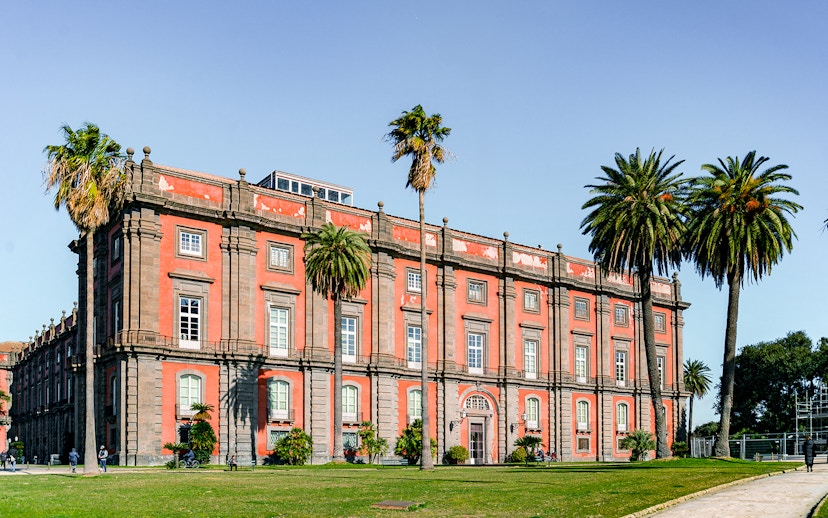
palace of Capodimonte building

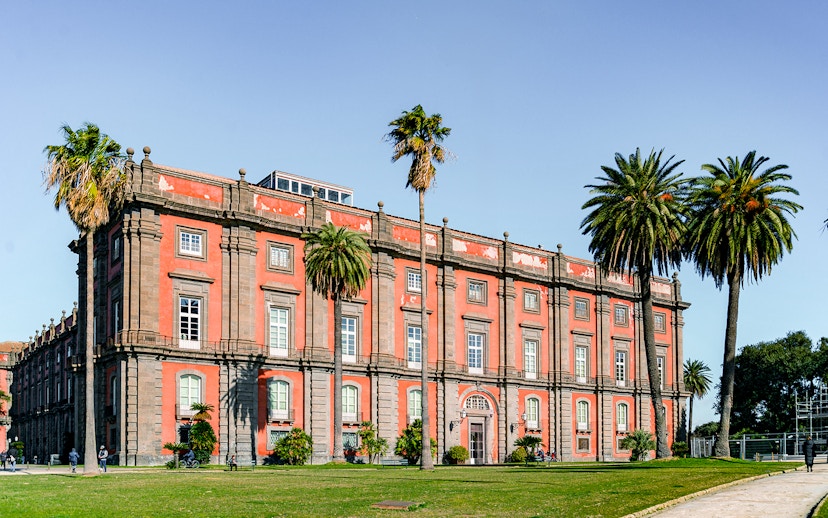
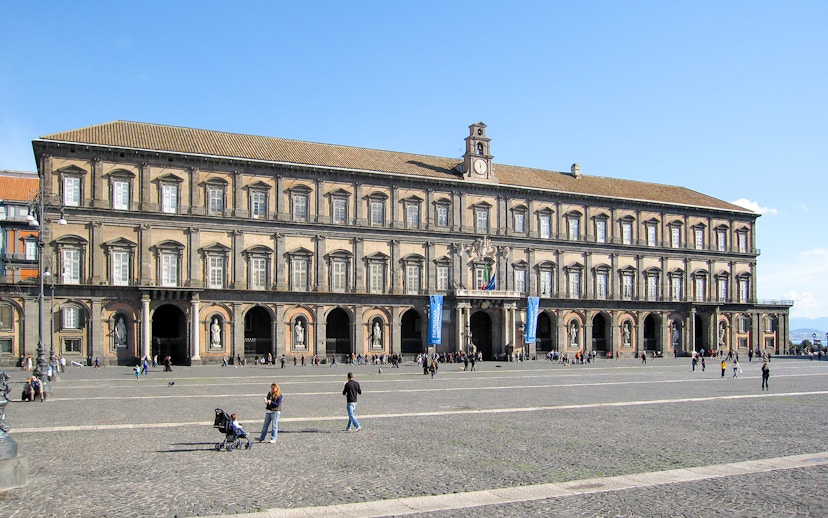
The Palace of Capodimonte, a striking representation of Italian Baroque and Neoclassical styles, reflects the opulence of the Bourbon monarchy. Constructed in 1738 as a hunting lodge for Charles VII, its nearly 800-foot-long facade exhibits a magnificent blend of symmetry and grandeur. Its interiors feature ornate decorations, while the surrounding parkland, designed in the English garden style, complements the palace's imposing architecture. Today, it houses the Museo di Capodimonte, seamlessly merging cultural heritage with architectural brilliance. This fusion of styles and purposes makes the Palace of Capodimonte a truly unique architectural monument.

Palace of Capodimonte Today

Originally built as a hunting lodge, the Palace of Capodimonte reflects the opulence of the Bourbon monarchy. Today, it's known for housing the  National Museum of Capodimonte and the Royal Forest. This museum hosts an extensive collection of Italian and European art, ranging from the 13th to the 20th century, including works by Titian, Caravaggio, Raphael, and Michelangelo.

The Palace's influence extends beyond its historical and architectural importance. As a cultural institution, it significantly contributes to the global appreciation and understanding of Italian art and history. The Capodimonte Museum provides scholars, art lovers, and tourists with invaluable insight into various artistic periods and styles. The Royal Forest is spread over an area of 134 hectares, is one of the largest greenspaces in Naples, and is famous for its Capodimonte flowers. It is an integral part of the Capodimonte complex, providing a rich and serene backdrop to the museum.

Frequently Asked Questions About Palace of Capodimonte

The Palace of Capodimonte is a historic monument in Naples, Italy, showcasing Italian Baroque and Neoclassical architecture. It houses the Museo di Capodimonte, an extensive collection of Italian and European art, and is surrounded by the Real Bosco di Capodimonte, an English-style park.

More Reads

About Capodimonte Museum

Book Now

Capodimonte Museum Timings

Book Now