Quick overview

  • Ways to explore: Choose between a standard self-guided visit, a guided tour, or entry with transfers. Guided options include shared and private formats with expert narration.
  • Additional access: Tickets include entry to both the archaeological park and the on-site museum with 3-day validity.
  • Unique experiences: Discover the heart of Italy's cheese country with a mozzarella cheese tasting tour in Paestum. Learn about traditional cheese-making processes in this renowned region.
  • Queues & access: Skip-the-line benefits reduce the ticket-purchase wait, though standard security protocols still apply.
  • When to book: Summer months between June and September are peak season, but you can still snag a ticket if you book within 48 hours of your visit.
  • Good to know: Visits last approximately 2–4 hours. The area is sunny and shade-less, so carry strong sun protection.
  • Best upgrade: Opt for a private guided tour for flexible pacing and personalized history.

See ticket comparison ↓

Which Paestum ticket is best for you?

Ticket typeLines skippedIncludesGuideWhy choose thisCancellation policyPrice fromRecommended experience

Skip-the-Line Guided Tour

Ticket line

Fast-track entry and expert commentary with private tours upgrade

Guide available

• Expert archaeologist-led tour • Skips ticket counter line

24 hours

€39

Paestum Skip-the-Line Guided Tour

Round-Trip Train from Naples

Ticket line

Pick up and drop from Naples; priority entry and self-led tour of Paestum

No guide

• Includes round-trip train • Skips ticket counter wait

30 hours

Unknown

From Naples: Paestum Skip-the-Line Tickets with Round-Trip Train

Mozzarella Tasting with Naples Transfers

Ticket line

Cheese tasting at mozzarella factory and self-funded visit to Paestum park

No guide

Offbeat experience • Option to skip or enter the archeological park

Confirmed in voucher

Day Tour of Paestum & Mozzarella Tasting with Transfers from Naples

What to expect at Archaeological Park of Paestum

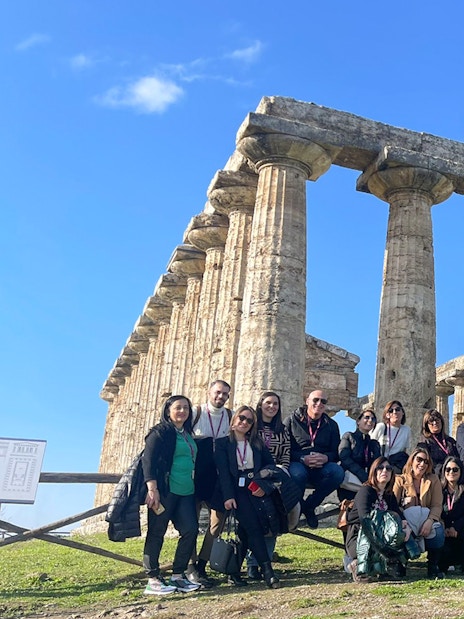
Carousel image showing entrance impressions at Paestum
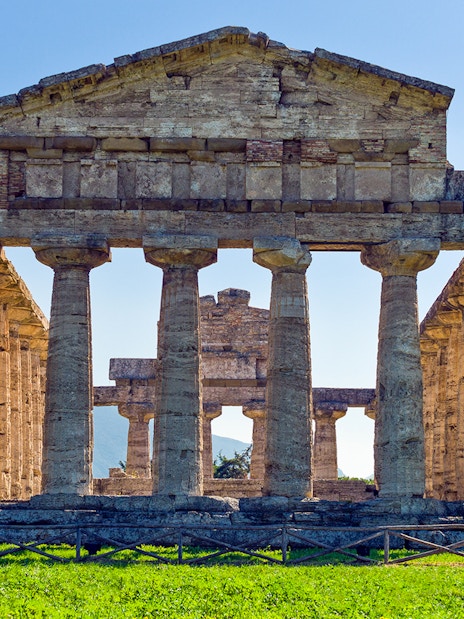
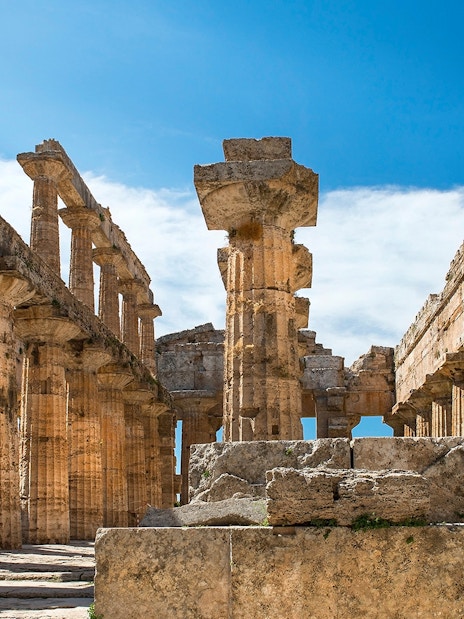
Carousel image capturing ancient temples at Paestum
Carousel image showing Roman layers at Paestum
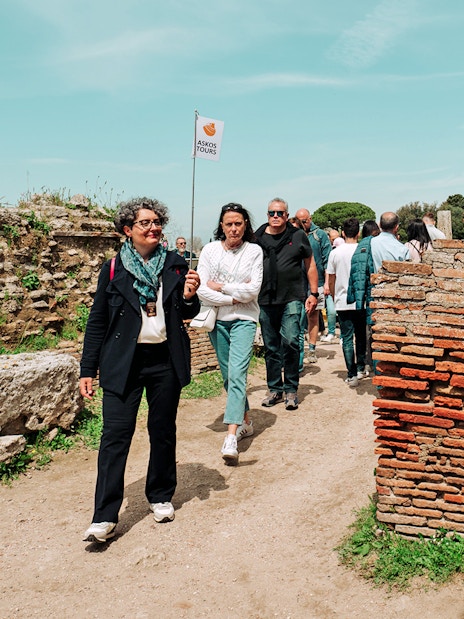
Carousel image promoting guided tours at Paestum
Carousel image of museum finale at Paestum
1/5

First impressions

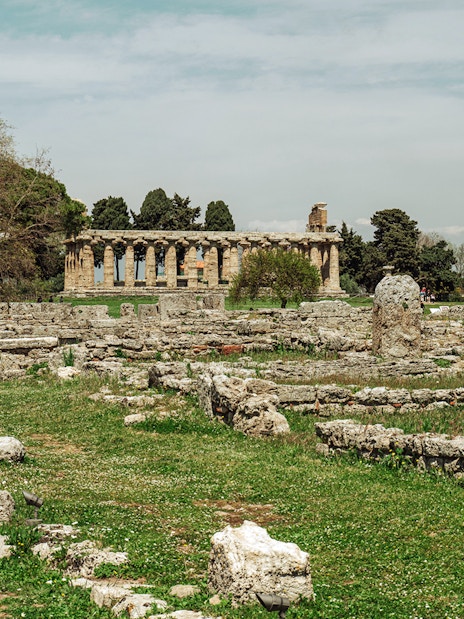
As you arrive at Paestum, the first impression is one of space and stillness: a vast grassy plain, ancient defensive walls, and the unexpected sight of monumental temples rising in the distance. After entering near Porta Principale, the atmosphere quickly shifts from modern arrival to something far older and quieter. In the soft morning light, the golden limestone glows, giving the whole site a calm, almost timeless presence.

Wander among the ancient temples

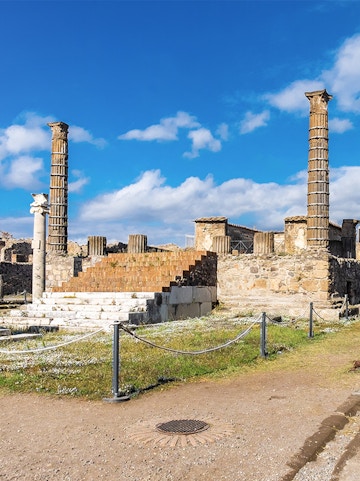
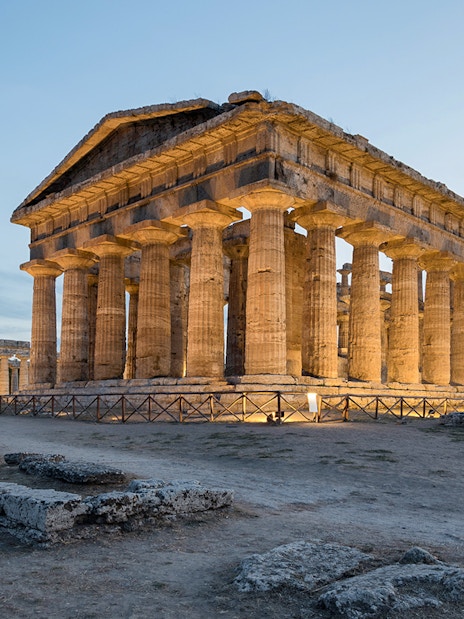
You wander among remarkably preserved temples. First, you admire the full peristyle and solid columns of the Temple of Neptune. Then, you stroll by the adjacent Temple of Hera and the Temple of Athena, soaking in timeless Greek architectural beauty.

Discover the civic and Roman layers

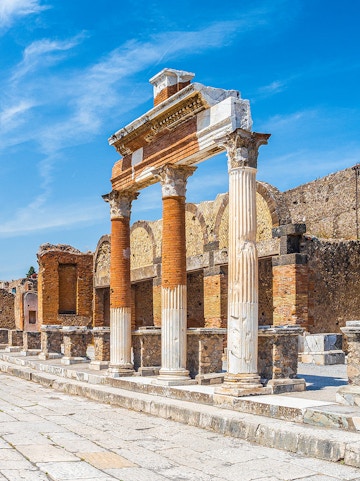
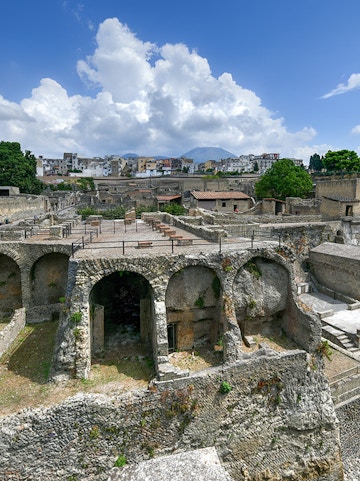
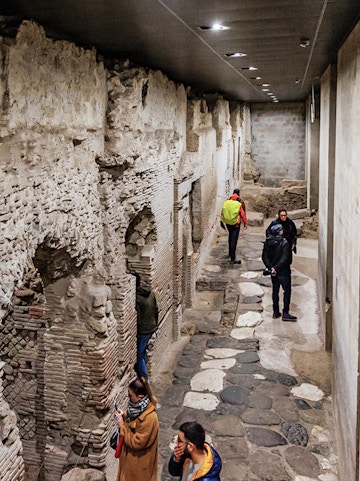
You step into Paestum’s Roman phase, where the city’s Greek past gave way to a new civic order. In the forum, once the center of public and political life, and among the remains of the amphitheatre, where performances and spectacles were staged, the rhythms of Roman daily life become easier to imagine. Together, these structures reveal how Paestum evolved under Roman rule while preserving traces of its earlier identity.

Upgrade for a guided experience

Choose a guided tour for deeper insights. An expert unravels Greek, Lucanian, and Roman stories, making details more meaningful while ensuring faster ticketing and clarity.

Museum finale

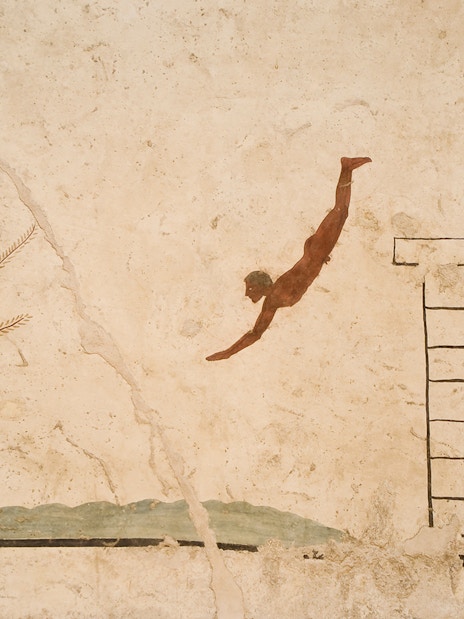
Conclude your visit at the National Archaeological Museum of Paestum, where the Tomb of the Diver stands out as its most iconic masterpiece. Dating to around 470 BCE, its painted limestone slabs preserve the only surviving complete example of Greek wall painting with figured scenes from this period, making it exceptionally rare. The diver on the tomb’s cover, poised between life and death, gives the museum visit an unforgettable emotional and symbolic climax.

Things to know before booking your Paestum tickets

Booking window: Tickets for Paestum can be purchased on-site or online with no fixed advance release; many visitors book just a day or two ahead, so planning even a short lead time is advisable.

Entry and access
• All visitors enter through the main gate near the Temple of Neptune at Porta Principale, where ticket redemption and mandatory security checks take place.
• “Skip-the-line” options help you avoid the ticket-purchase queue, but note that you still must clear standard security procedures.
• If arriving by train, expect about an 800‑meter walk from Paestum station to the site; clear signage and accessible paths help guide your way.

What’s included: The standard ticket grants self-guided access to the archaeological area and the on-site National Archaeological Museum.

Ways to explore
• With a self-guided ticket, you can explore at your own pace.
• Guided tour options offering priority entry are available in English or Italian, offering expert insight that decodes Paestum’s Greek, Lucanian, and Roman layers.
• For a more personalized experience, private guided tours are offered in 2‑ or 3‑hour formats and can help manage the pace, especially if you prefer a deeper dive into the site’s history.

Policies: The ticket is nominative and may require ID verification for any applicable reduced rates, so remember to bring proof of age or status if needed.

Accessibility: Despite the ancient terrain, Paestum has an accessible path through parts of the site and a fully accessible museum, making it more manageable than many archaeological parks for visitors with reduced mobility.


Say Cheese to Paestum

Trade rigid group schedules for a Paestum escape that lets you wander ancient Greek temples at your own pace, then rewards you with a behind-the-scenes buffalo mozzarella factory tour and fresh tasting straight from the source. With round-trip transfers from Naples included, it’s history, flavor, and flexibility in one effortless day.

Archaeological Park of Paestum highlights

Image of Temple of Neptune in Southern Sanctuary

Temple of Neptune

Location: Southern Sanctuary
This massive Doric temple stands nearly intact with a full peristyle and balanced proportions. Notice the sturdy columns and detailed pediments.

Image of Basilica / Temple of Hera showcasing archaic columns
Image of Temple of Athena with panoramic view
Image of Ekklesiasterion in the Agora area
Image of Heroon reflecting ancient legacy

Plan your visit to Archeological Park of Paestum

  • Opening hours: Paestum is generally open daily from 8:30am to 7:30pm from late March to October. In the winter months (November to February), the archaeological park usually closes earlier, at around 5pm, as the main site is not illuminated.
  • Last entry: The ticket office at Porta Principale and the electronic gates at other entrances stop admitting visitors at 6:30pm. Keep in mind that security begins clearing the temple area from around 7pm, so arriving at the last minute leaves only a short window to explore.
  • Museum hours: The National Archaeological Museum usually allows entry until 7:00 pm, often remaining accessible slightly later than the ruins themselves. On the 1st and 3rd Monday of the month, however, the museum may close early, at around 1:40pm, for deep cleaning.
  • Best time to visit: For the most comfortable experience, aim for early morning or late afternoon. Between 12pm and 3pm, the open limestone site becomes especially hot, with very little shade.
  • Crowd tip: Larger tour groups tend to arrive from around 10:30am and thin out after 3:30 pm. For a quieter visit, arrive at 8:30am for a peaceful first look at the temples, or around 4:30pm for softer light and a calmer atmosphere.
  • Porta Principale: Main entrance with the ticket office near the Temple of Neptune; expect ticket queues.
  • Porta Cerere: Used by pre-ticketed visitors for entry and exit with shorter wait times.
  • Restrooms: Available inside the museum and near major ruins.
  • Seating: Limited shaded seating available; plan short indoor breaks.
  • Cloakroom: No cloakroom service available; avoid large bags.
  • Accessible route: A mapped north–south path connects the museum and ruins.
  • Wheelchair access: Main entrances and the museum are designed for accessibility.
  • Support: Free Zoom Uphill vehicle available.
  • Limits: Some uneven terrain still exists, especially areas near the agora and the heroon.
  • Bags: Large backpacks are not allowed; use small bags only.
  • Photography: Permitted but avoid flash.
  • Food and drinks: Prohibited in park and museum areas.
  • Dress code: Appropriate attire required; avoid casual beachwear.
  • Re-entry: Not permitted once exited.

Tips and guidelines

  • If your visit is confirmed, use Porta Cerere instead of the crowded main entrance to ease entry.
  • Visit the Temple of Neptune zone after 4pm when crowds thin; quieter pathways reveal intricate Doric details.
  • Avoid the sun-scorched central courtyard during peak heat; pause by the Roman Forum’s shaded perimeter for comfort.
  • Keep flash disabled in the museum’s Tomb of the Diver room; regulations protect delicate frescoes and painted slabs.
  • Use the accessible north–south route from the Basilica to the museum; this alternate path minimizes confusion and crowding.
  • Avoid lengthy stops at the overlooked agora; instead, briefly stroll by the Heroon for focused historical insight.

Frequently asked questions about Paestum tickets

Guided tours provide expert insights into the Greek, Lucanian, and Roman layers. They’re great for first-time visitors who prefer a structured narrative, while the standard ticket lets you explore at your own pace.