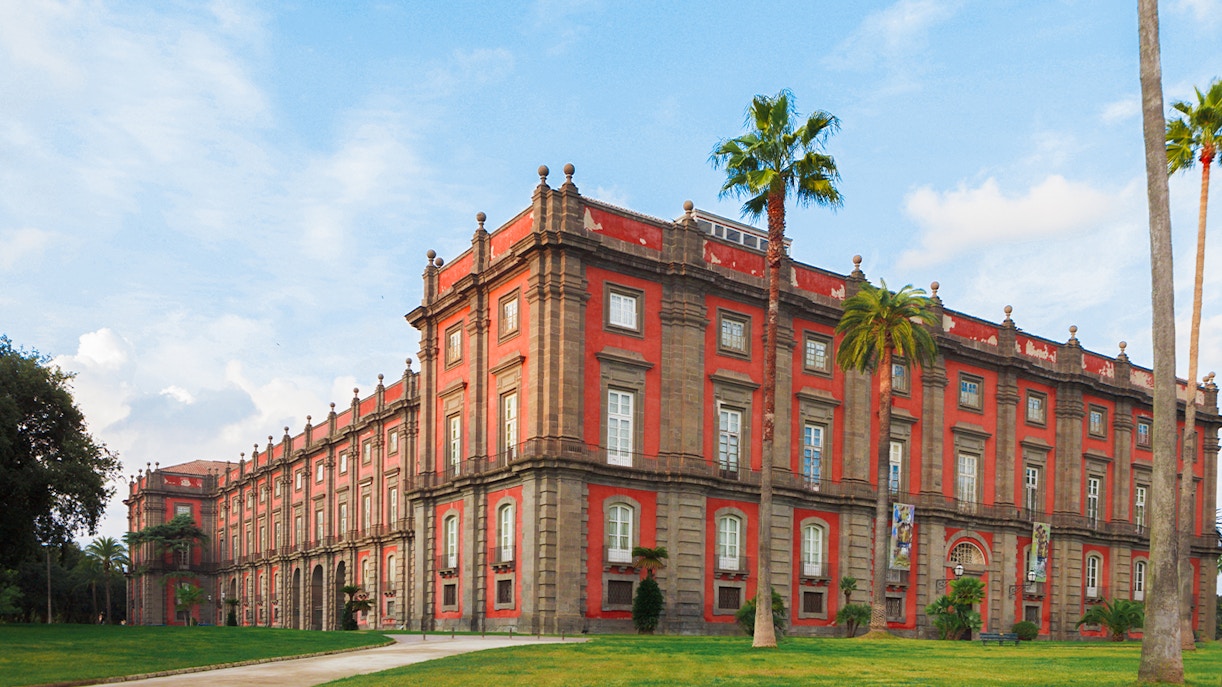
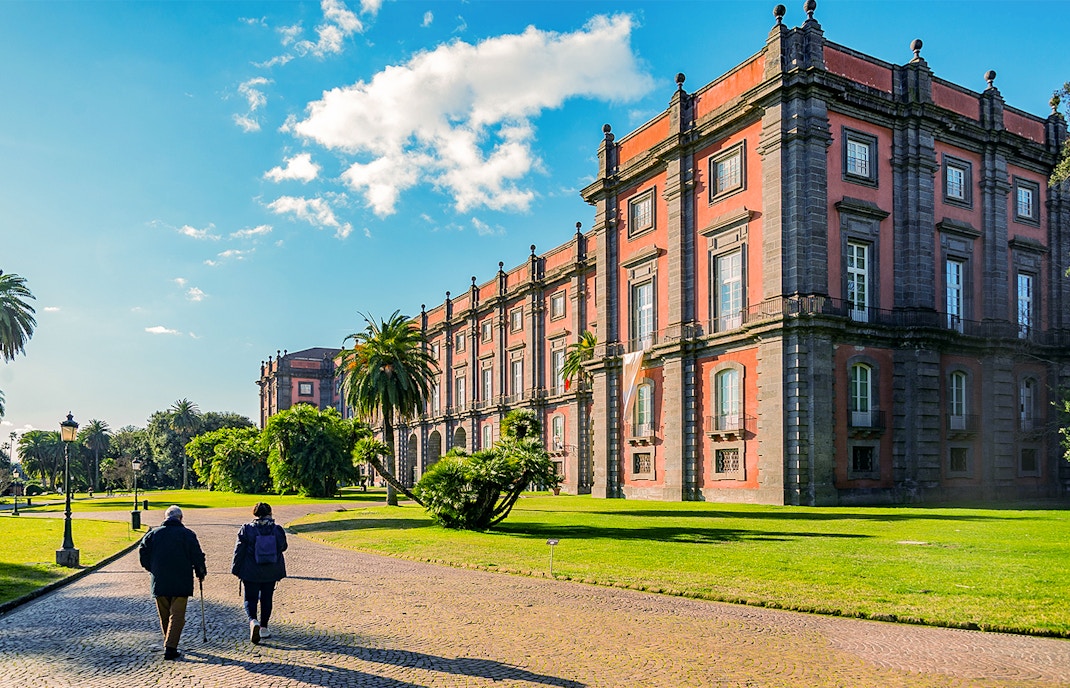
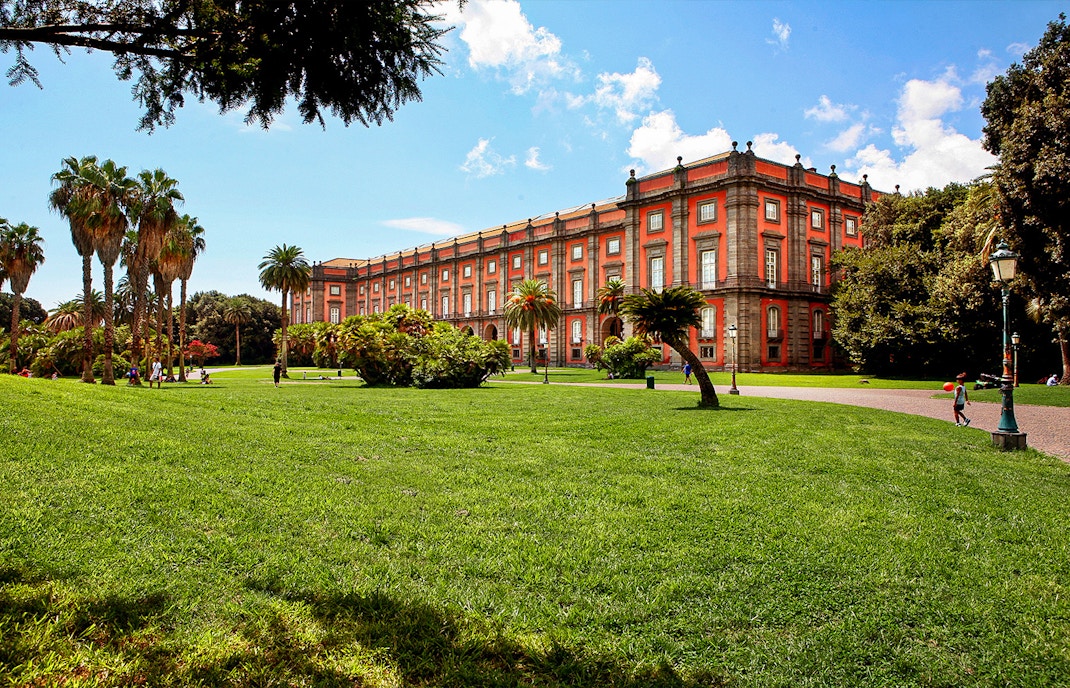
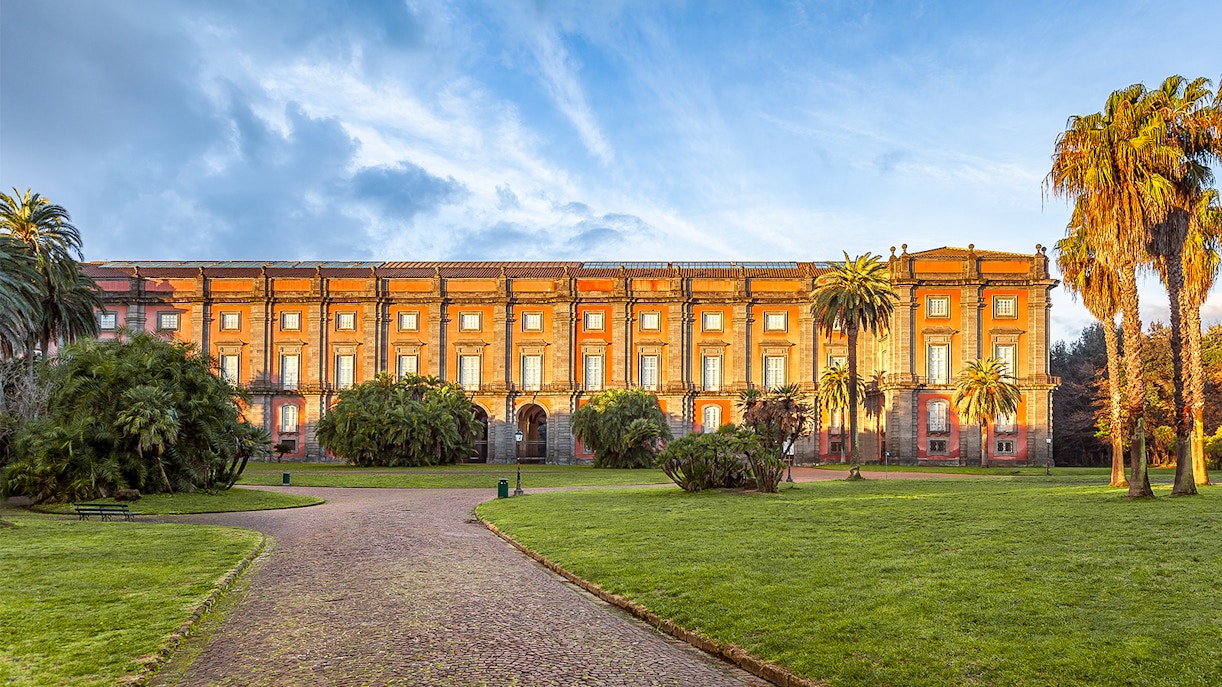
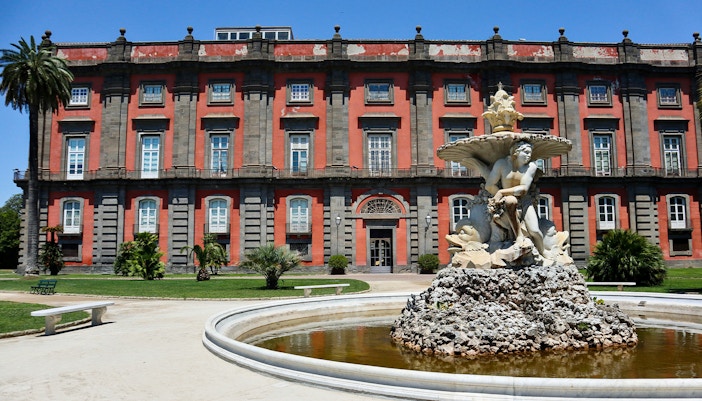
The Capodimonte Palace, which houses the museum, was originally built as a royal hunting lodge for Charles of Bourbon in the 18th century, blending royal leisure with cultural aspirations.
The museum is home to the Capodimonte Porcelain Factory's exquisite creations, including intricate tableware and decorative items that rival the finest European porcelains of the 18th century.
It houses The Madonna of the Divine Love, the only painting by Raphael in Naples, a testament to the museum’s exclusive collection of masterpieces.
What is the Capodimonte Museum?
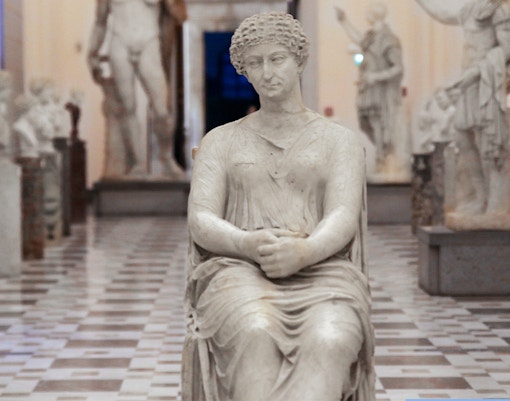
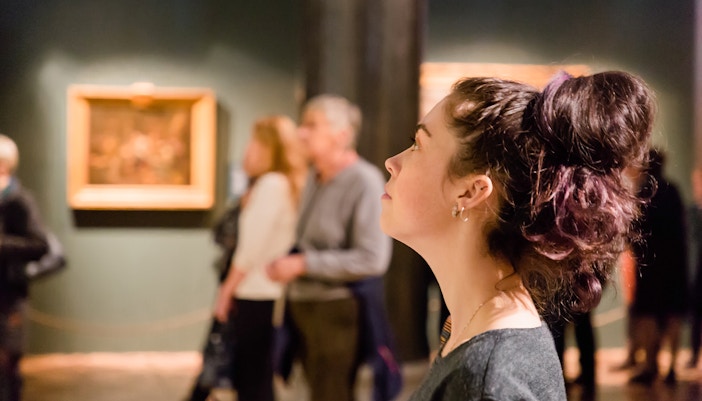
The Capodimonte Museum, founded in 1957 in Naples, Italy, is a renowned art museum in the Grand Palace of Capodimonte. It is famous for its extensive collection of Italian Renaissance and Baroque paintings, including works by Titian, Caravaggio, and Raphael. The museum also houses renowned collections of ancient Roman sculptures and porcelain artifacts. The museum, now a part of the UNESCO World Heritage Site, offers visitors a captivating journey through Italian art history.
Number of Visitors per Year: Approximately, 1,500,000 visitors a year
Collection Size: Over 47,000 works of art
Plan Your Visit to Capodimonte Museum in Naples
Opening Hours
General timings: Thursday to Tuesday: 8:30 AM to 7:30 PM. The exhibition on the second floor & third floor can only be visited between 10:00 AM and 5:30 PM.
Closed: Wednesday, January 1, and December 25
Last entry: 6:30 PM
Best time to visit: During the low seasons (November-March) and on weekdays when the crowd is low. However, you can also visit in the late afternoon or early morning on weekends shortly when the museum opens.
Address: Via Miano, 2, 80131 Napoli NA, Italy [Find on Map]
The Capodimonte Museum is housed inside the Royal Capodimonte Palace, but the main attraction is the museum where you can admire the artwork of Italian masters.
Nearest Metro Station: Museo
Collections at Capodimonte Museum
Farnese Collection
Assembled by the Farnese family over centuries, this collection displays an extensive array of Renaissance and Baroque masterpieces, including works by artists such as Titian, Parmigianino, and El Greco.
Neapolitan Gallery
This collection exhibits a diverse range of art created in Naples from the 13th to the 18th centuries. It provides a rich tapestry of the city's cultural and artistic history, featuring works by Caravaggio and others.
Bourbon Collection
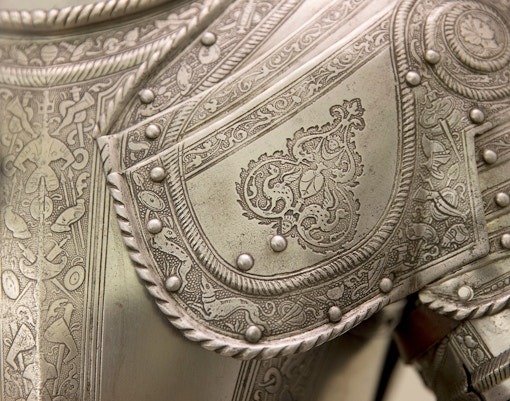
The Bourbon family's collection highlights the arts and crafts that flourished under their reign, including grand portraits, decorative arts, and impressive displays of armor and weapons.
Contemporary Art Collection
This collection displays works of art from the 19th and 20th centuries, representing the evolution of Italian and European art through various movements such as Realism, Impressionism, and Futurism.
Porcelain Collection
Featuring exquisite pieces from the royal factories of Capodimonte and Buen Retiro, this collection showcases the art of porcelain making, with works displaying incredible details and intricate craftsmanship.
Royal Apartment Collection
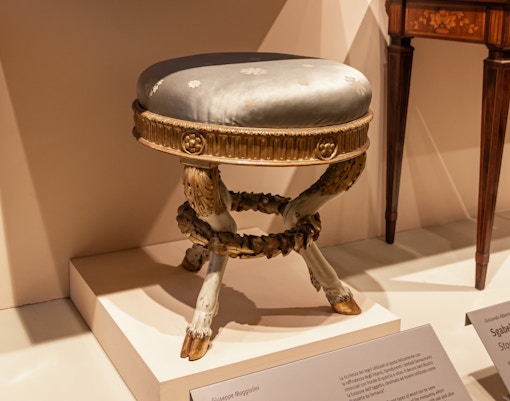
It provides a glimpse into royal life with its lavish furnishings and decor. It houses a vast collection of tapestries, historic furniture, and other artifacts from the Bourbon and Farnese families.
Graphic Collection
This collection includes drawings and prints from renowned artists, such as Michelangelo and Raphael, offering visitors a close-up view of their design and thought processes.
Photographic Collection
With a focus on the history and development of photography, this collection features works by various photographers, presenting a wide range of styles and subjects.
Must-See Highlights Inside the Capodimonte Museum
Danae (1545), Titian's
This is one of the finest works of Titian, a leading figure of the Italian Renaissance. The painting depicts the mythical princess Danae, who was loved by Zeus.
The Flagellation of Christ (1607), Caravaggio
This painting is one of the most compelling works of Caravaggio and showcases his signature style of tenebrism.
Madonna of the Rose (1518-1520), Raphael
A late work of Raphael, this painting showcases his impeccable skill in creating beautiful and serene religious art.
Crucifixion(1426), Masaccio
A masterpiece of early Renaissance art, this painting exemplifies Masaccio's pioneering use of linear perspective.
Madonna and Child with Six Saints (1470), Botticelli
This large altarpiece showcases the grace and beauty that Botticelli is known for.
Antea (1531-1534), Parmigianino
This mysterious and striking portrait is considered one of Parmigianino's masterpieces.
Brief History of Capodimonte Museum
The history of the Capodimonte Museum dates back to 1738 when King Charles VII of Naples decided to build a grand hunting lodge atop the Capodimonte hill. As an avid art collector, he also envisioned it as a space to showcase his rich collection of artwork and precious belongings. The construction of this royal palace began in 1738 under the guidance of the architect Giovanni Antonio Medrano.
Over the years, the Capodimonte Palacewas transformed into a museum, hosting an extensive collection of Italian Renaissance and Baroque art, as well as contemporary works. It was officially opened as a museum in 1957, allowing public access to its vast art collection. Today, the Capodimonte Museum proudly houses one of Italy's richest art collections. It is home to masterpieces from the likes of Raphael, Titian, Caravaggio, and El Greco.
Who Built the Capodimonte Museum?
The Capodimonte Museum was commissioned by Charles VII of Bourbon, King of Naples and Sicily in 1738 to renowned Spanish architect, Giovanni Antonio Medrano. Assisting Medrano was Antonio Canevari, an Italian architect, ensuring the palace emerged as an architectural marvel of the 18th century. The palace's construction spanned over a century due to various political upheavals, with its completion achieved only in the 19th century. It was officially inaugurated in 1957.
The Architecture of Capodimonte Museum
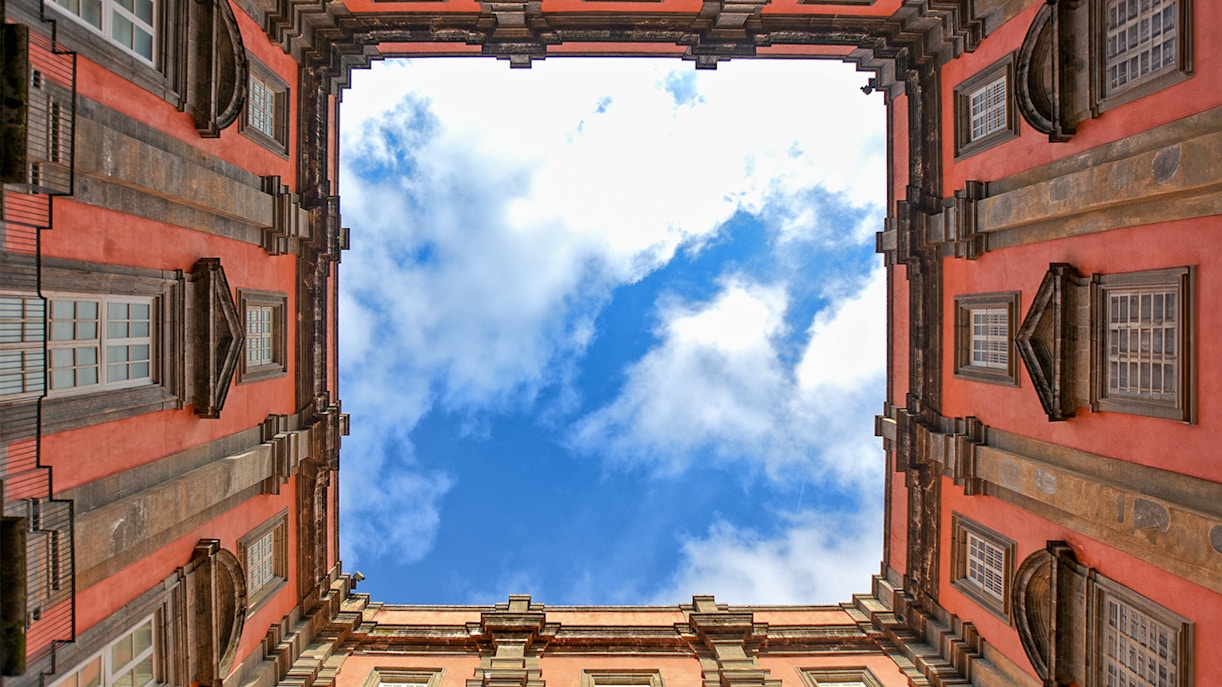
The Capodimonte Museum exemplifies the Neoclassical architectural style. The exterior of the museum is characterized by its symmetrical layout and grand scale. High ceilings, expansive rooms, and large windows, typical features of Neoclassical architecture, are found throughout the palace, providing ample light and space for the exhibition of artwork.
Inside, the museum is decked with elaborate stucco decorations, intricate frescoes, and wide corridors for displaying large-scale paintings and sculptures. The interior design balances functionality as a museum with the opulence expected of a royal residence.
Capodimonte Palace Gardens
Centuries of meticulous planting by botanists have enriched the Royal Palace of Capodimonte with a plethora of rare and exotic Capodimonte flowers, including Asian camellias and camphor trees, American magnolias & cypresses, and eucalyptus from Australia. The gardens also exhibit statues and fountains, thriving orchards, and soothing tree canopies. These create a tranquil haven where visitors can unwind and soak in the serene surroundings.
Frequently Asked Questions About the Capodimonte Museum in Naples
The Capodimonte Museum is a prestigious art institution located in Naples, Italy. Housed within the grandeur of the Royal Palace of Capodimonte, the museum exhibits an extensive collection of Italian Renaissance paintings, historic apartments, porcelain, and sculptures, providing a comprehensive view of Italian art history.
Main highlights include masterpieces by renowned artists such as Caravaggio, Titian, and Raphael, the Farnese and Bourbon collections of European art, and the vast porcelain collection. Also, the surrounding Capodimonte Park provides a tranquil outdoor experience.
The Capodimonte Museum is home to over a thousand artworks. This includes an extensive range of paintings, sculptures, drawings, prints, and decorative art pieces from various periods in history.
Tickets can be purchased at the museum's ticket office or online through the official website. Advance booking is recommended to avoid long queues.
Ticket prices may vary. Please refer to the official website for the most accurate and current pricing. Discounts may be available for students, seniors, and groups.
Yes, the museum offers guided tours. These tours often provide in-depth knowledge about the collections and can be booked either at the museum or online through the official website.
The Capodimonte Museum was originally established by King Charles VII in 1738 to house the Farnese art collection. It has since expanded its collection and serves as a testament to the rich artistic heritage of Naples and Italy.
The museum houses several notable collections including the Farnese Collection, the Neapolitan Gallery, the Bourbon Collection, the Contemporary Art Collection, the Porcelain Collection, the Royal Apartment Collection, the Graphic Collection, and the Photographic Collection.
The museum generally opens from Thursday to Tuesday: 8:30 AM to 7:30 PM. The exhibition on the second floor can only be visited between 10:00 AM and 5:30 PM.
Early mornings or late afternoons during weekdays are typically less crowded, making them ideal times for a visit. However, it's best to check the museum's schedule as timings can change based on seasons or special events.
The museum is located at Via Miano, 2, 80131 Napoli NA, Italy.
Starting with the Farnese Collection is recommended, followed by the Neapolitan Gallery and then the Royal Apartments. You could also check with the information desk for any special exhibits or route suggestions on the day of your visit.
Yes, the museum offers amenities like cloakrooms, elevators for accessibility, restrooms, a bookshop, and wheelchair availability for those in need.
Yes, the museum has a café where you can enjoy a range of refreshments, meals, or snacks. It's a great place to rest and rejuvenate before or after exploring the exhibits.
Photography is allowed, but the use of flash or tripods is generally prohibited. It's advisable to confirm the museum's photography policy upon arrival.
Nearby attractions include the Catacombs of San Gennaro, the Naples National Archaeological Museum, and the beautiful Bay of Naples. The vibrant city center of Naples with its historic sites, culinary delights, and lively atmosphere is also a must-visit.